Gas prices are ripping through family budgets again. With the national average sitting at $4.52 a gallon following the chaos in the Middle East, everyone's looking for a villain or a hero. Donald Trump is betting on the hero role by pitching a federal gas tax holiday. It sounds like a win. You pull up to the pump, the numbers don't climb as fast, and you keep a few extra bucks in your pocket.
But if you look at the actual math, this "holiday" is more of a long weekend than a luxury vacation. The federal tax on gasoline is 18.4 cents per gallon. For diesel, it's 24.4 cents. If you're driving a standard sedan with a 12-gallon tank, we're talking about a savings of $2.20 per fill-up. Honestly, that's barely enough to buy a candy bar at the convenience store while you wait for the tank to hit full.
The Problem with the Math
The logic behind a gas tax holiday is simple: lower the cost of the product by removing the government's cut. Trump told reporters this week that while it's a small percentage, "it's still money." He's not wrong. Every cent counts when inflation is eating your paycheck. However, there’s a massive gap between the political optics and your bank balance.
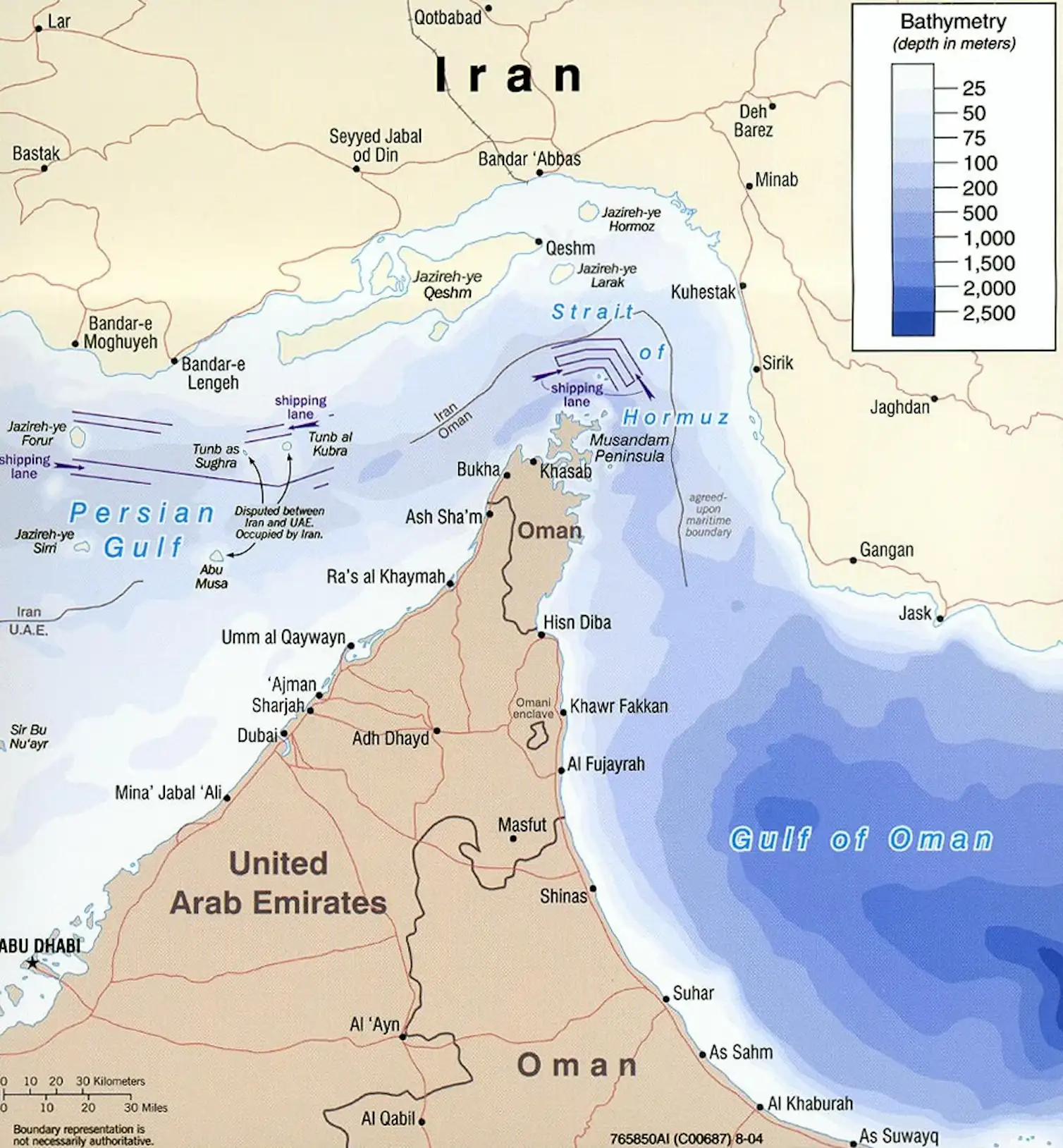
Since the conflict with Iran flared up in February, prices have jumped about $1.50 per gallon. Dropping the price by 18 cents doesn't even come close to neutralizing that spike. It’s like trying to put out a house fire with a squirt gun. It feels like you're doing something, but the heat is still there.
Where the Money Actually Goes
We haven't touched the federal gas tax since 1993. Because of inflation, that 18.4 cents buys about half as much asphalt and rebar as it did thirty years ago. That money feeds the Highway Trust Fund. This fund is the lifeblood for interstate repairs, bridge maintenance, and massive transit projects across the country.
The Committee for a Responsible Federal Budget estimates a six-month holiday would vaporize $21 billion in revenue. If the holiday lasted three years, we'd be looking at a $124 billion hole. The Highway Trust Fund is already on life support and projected to go bust by 2028. Cutting off its primary source of income would move that "insolvency date" up to 2027. When the fund runs dry, the orange barrels on the side of the road don't just stay there—they stop moving altogether because the checks stop clearing for the contractors.
The Supply and Demand Trap
Here’s the part most politicians won't tell you. Prices are high because supply is tight. When you lower the price of a scarce resource, people tend to buy more of it. If everyone starts driving more because the "tax is off," demand goes up. In a market where supply is already strangled by global tension, higher demand just pushes the base price of fuel right back up.
Economists at the Penn Wharton Budget Model found that consumers don't even get the full 18.4 cents. In reality, gas stations and suppliers often pocket about 30% of the tax cut to pad their own margins or cover rising transport costs. You might only see a 13-cent drop at the sign.
- Savings for a sedan (15 gallons): $2.76 per tank.
- Savings for a large SUV (25 gallons): $4.60 per tank.
- The "Cost": Billions in lost infrastructure funding and potential price hikes due to increased demand.
State Holidays vs Federal Holidays
If you want real relief, you have to look at the state level. States like Georgia, Indiana, and Utah have already experimented with their own gas tax holidays in 2026. State taxes are often much higher than the federal rate—sometimes 50 or 60 cents per gallon. That’s where you actually feel the difference. Trump has even suggested that states should lead the way on this before the federal government steps in.
It’s a classic political move. It puts the pressure on governors while the federal government keeps its 18 cents. But for the average driver in California or Illinois, where state taxes are punishing, a federal holiday is just a drop in the bucket.
What You Should Actually Do
Don't wait for a bill to pass in D.C. to save money. If this holiday happens, it'll likely be tied up in congressional debates for months. Even if it passes, the relief is symbolic.
The real move is to focus on what you can control. Use apps to find the cheapest fuel in a five-mile radius. In some cities, the price gap between two stations just three blocks apart is wider than the entire federal tax. If you're a high-mileage driver, look into credit cards that offer 4% or 5% back on fuel. That’ll save you way more than 18 cents a gallon without relying on a vote in the Senate.
Trump's proposal is a great talking point for a campaign trail, but it's not a solution for a broken energy market. It’s a temporary bandage on a deep structural wound.
Trump's gas tax plan explained
This video provides a concise breakdown of the proposal's mechanics and why experts are skeptical about how much it will actually help your wallet.