Skipping travel insurance for a short trip across the English Channel seems harmless. You pack your bags, hop on a ferry or the Eurostar, and assume everything will be fine because France is right there. It feels familiar. But a sudden medical crisis can shatter that illusion instantly.
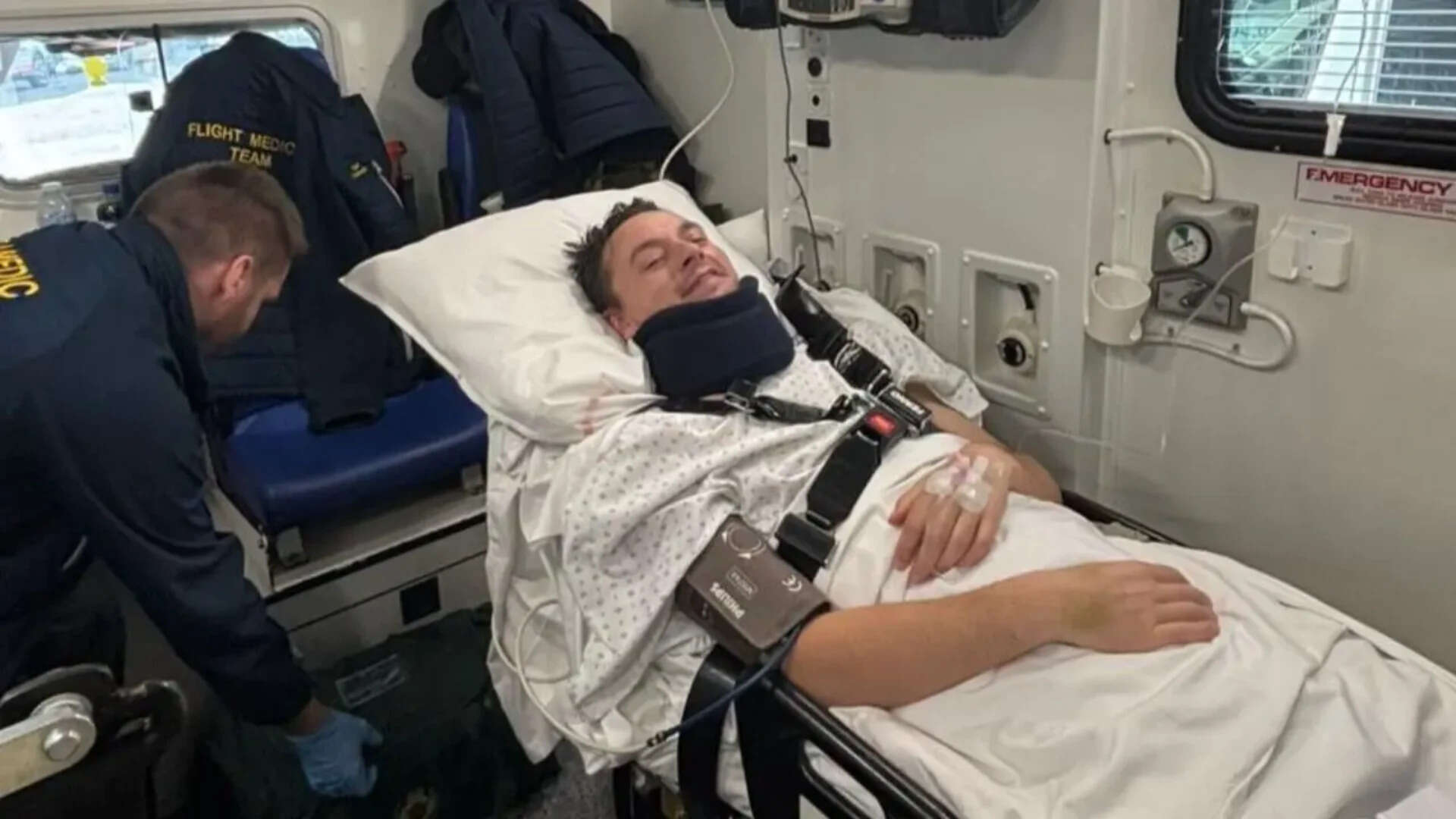
When a British tourist breaks their neck on a France trip, the immediate focus is understandably on survival and emergency medical care. The shock comes later. Once the hospital stabilizes the injury, the reality of the financial situation sets in. Facing huge medical bills after no insurance is a terrifying position to be in, and it happens to thousands of holidaymakers every single year who assume the safety net will catch them. It won't.
If you think your UK passport or a basic healthcare card protects you from six-figure medical debts abroad, you are mistaken. The financial consequences of a severe injury in Europe are real, brutal, and entirely preventable.
The myth of free European healthcare for British tourists
A common misconception is that European healthcare is entirely free for neighbours. It isn't. The Global Health Insurance Card (GHIC), which replaced the old EHIC after Brexit, does provide access to state-provided healthcare in France under the same conditions as locals. But people misunderstand what "same conditions" actually means.
The French healthcare system, known as L'Assurance Maladie, operates on a co-payment basis. The state covers a significant portion of medical costs, but patients are responsible for the remainder, known as the ticket modérateur.
- State coverage typically hovers around 70% for standard doctor visits and hospital stays.
- Patients pay the remaining 30% out of pocket unless they have a private top-up insurance policy, known in France as a mutuelle.
- Major surgeries and prolonged intensive care stays can see state coverage rise to 100% for the specific procedure, but daily hospital fees, private rooms, and extra comforts are never covered.
For a catastrophic injury like a broken neck, a 30% bill on days of intensive care, specialized spinal scans, emergency surgery, and specialized consultants adds up to tens of thousands of pounds. The GHIC is a tool to reduce costs. It is absolutely not an insurance policy.
The crippling cost of getting back home
The hospital stay is only the first half of the financial nightmare. The real budget-killer is medical repatriation.
If you suffer a spinal injury or a broken neck, you cannot simply buy a standard economy ticket on British Airways or Eurostar to get home. You cannot sit upright. You might require continuous oxygen, specialized immobilization equipment, or a team of trained medical professionals to monitor your condition during transit.
According to data from the Association of British Insurers (ABI), a standard air ambulance flight from mainland Europe to the UK routinely costs between £15,000 and £30,000. If the medical needs are highly complex, requiring specialized doctors on board, that figure easily doubles.
The British Embassy or Consulate will not pay for this. The Foreign, Commonwealth & Development Office (FCDO) explicitly states that they will not fund medical treatment or fly stranded citizens home. If you do not have insurance, you or your family must find the cash. People end up draining life savings, remortgaging homes, or launch desperate crowdfunding campaigns on GoFundMe just to get a injured relative back to a UK hospital.
Real costs of medical treatment in France
Medical expenses accumulate at a dizzying pace. To understand why the bills get so high, look at the baseline costs of emergency care in French hospitals.
Emergency ambulance transportation via the Service d'Aide Médicale d'Urgence (SAMU) or the fire service (Sapeurs-Pompiers) incurs direct charges. While the state covers the majority for urgent trauma, a portion of the transport bill lands on the patient.
An intensive care bed in a French public hospital costs upwards of €1,500 to €3,000 per day. Spend two weeks in ICU while doctors monitor swelling around a spinal injury, and the gross bill easily tops €30,000 before a surgeon even touches a scalpel. Specialized orthopedic surgeries, metal pins, plates, and post-operative MRI scans drive that number into the stratosphere.
Without a travel insurance company to guarantee payment, French hospitals will still treat life-threatening emergencies. They have an ethical obligation to save your life. But the administration will aggressively pursue the debt once you are stable. They utilize international debt collection agencies to recover funds from UK citizens. The debt does not vanish when you cross the Channel.
What your GHIC actually covers and what it leaves behind
Every British traveller should carry a valid GHIC. It is free via the official NHS website. Do not pay third-party sites to get one.
The card ensures you get treated at public facilities under the same rules as a French citizen. If a local gets free treatment for a specific emergency service, you do not pay either. If the local pays 30%, you pay 30%.
The GHIC leaves massive gaps that only private travel insurance covers:
- Private medical care: If the ambulance takes you to a private clinic instead of a public hospital because it is the nearest specialized trauma unit, the GHIC provides zero coverage.
- Medical repatriation: Total cost falls on the patient.
- Mountain rescue: If you break your neck skiing in Chamonix or hiking in the Pyrenees, mountain search and rescue teams charge thousands for helicopter evacuation. The GHIC covers none of it.
- Family accommodation: Insurance pays for a partner or parent to stay in a hotel nearby while you undergo surgery. Without it, your family faces massive hotel and travel bills on top of the medical debt.
How to choose travel insurance that actually protects you
Buying the cheapest policy on a comparison site without looking at the details is almost as bad as having no insurance at all. You need to ensure the policy matches your specific trip and medical history.
Be brutally honest about pre-existing medical conditions. If you have a history of neck pain, previous spinal surgeries, or even high blood pressure, you must declare it. Insurance companies look for any reason to invalidate a claim after a major accident. If they find an undeclared condition, they can legally walk away from a six-figure bill, leaving you completely stranded.
Check the medical expenses cap. Look for a policy that offers at least £2 million to £5 million in medical and repatriation coverage. This sounds like an absurdly high number for a weekend trip to Paris, but serious trauma care and long-term air ambulance setups eat through smaller limits surprisingly fast.
Verify activity coverage. Standard policies routinely exclude sports injuries. If you plan to ski, snowboard, mountain bike, or even participate in basic adventure sports, you need an adventure sports rider. A standard policy will not pay out if you break your neck falling off a quad bike or tumbling down a ski slope.
Immediate steps to secure your next trip
Do not leave your financial future to chance. Before you step onto a plane, train, or ferry to France, complete these steps to protect yourself.
First, check the expiry date on your GHIC or old EHIC. If it has expired, apply for a new one immediately through the official NHS portal. Keep it in your wallet, not in your hotel room.
Second, purchase a comprehensive travel insurance policy the moment you book your trip. Do not wait until the day before you leave. Buying it early ensures you are covered for cancellation if you fall ill or get injured before the holiday even begins.
Third, print a copy of your insurance policy summary and emergency contact numbers. Give a duplicate copy to a relative who is staying in the UK. If you are unconscious or incapacitated in a French hospital, your family back home needs instant access to those policy numbers to authorize emergency funds and coordinate with the medical team on the ground. It avoids catastrophic delays when every second counts.