The smell of ozone and wet pavement used to mean one thing to a kid growing up in Toronto. It meant you were standing under the concrete brutalist peaks of the Ontario Science Centre, watching a Van de Graaff generator turn a stranger’s hair into a halo of static electricity. It was loud. It was chaotic. It was a cathedral of curiosity tucked away in the Don Valley, a place where the concrete itself seemed to vibrate with the collective energy of a million school field trips.
Then, the doors closed.
When the province abruptly shut down the Don Mills landmark, citing structural integrity and a crumbling roof, it felt like a sudden power outage in a room where everyone was reading. A collective sigh went up across the city. For months, there was just an empty space where an institution used to be. Parents wondered where they would take their kids on rainy November afternoons. Teachers stared at empty slots in their curriculum calendars.
But science is inherently resilient. It finds a way through the cracks.
Walk down to the Toronto waterfront today. The air smells different here—salty, sharp, mingled with the scent of fried food from nearby vendors and the low rumble of Lake Ontario lapping against the concrete. It is here, nestled in the bustling, transition-heavy landscape of the shoreline, that a temporary lifeline has been thrown to the city’s curious minds.
An interim Science Centre has quietly opened its doors.
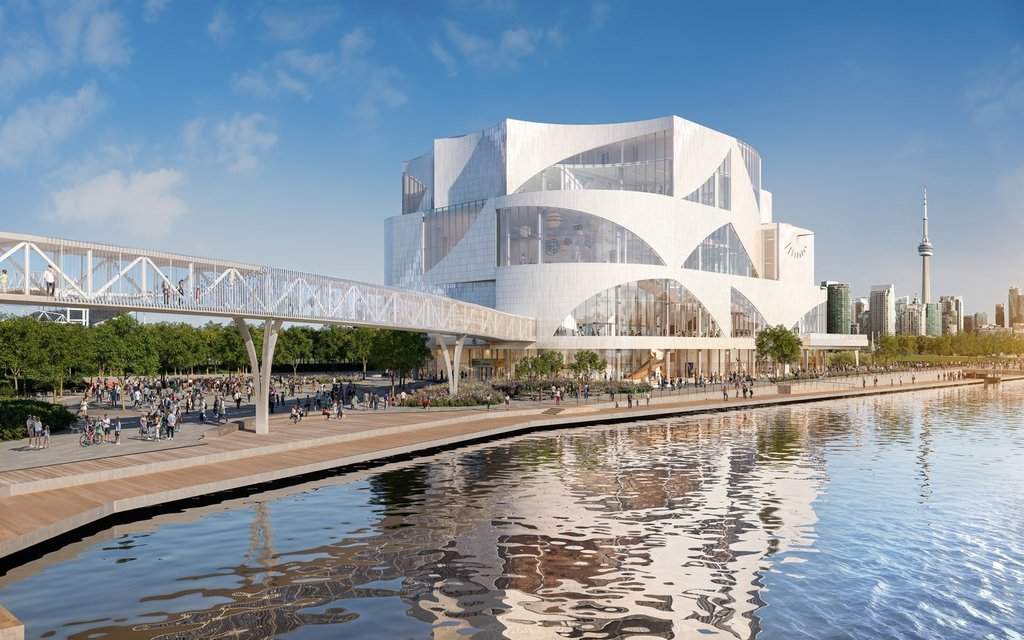
It is not the sprawling, multi-winged fortress of the past. It cannot be. The new space is compact, squeezed into a waterfront footprint while the grand, controversial permanent vision at Ontario Place undergoes its lengthy, hotly debated construction. To pass by, you might mistake it for just another modern pavilion or a pop-up gallery.
Step inside.
The first thing that hits you is the scale. It forces an immediate recalibration. Instead of endless halls that require a map and a solid pair of walking shoes, the exhibits are packed tight. It feels like a laboratory tucked into a shipping container, or a mad scientist’s workshop set up in a living room.
Consider a seven-year-old named Maya. In the old building, she was small against the architecture. Here, she is eye-level with everything. She presses her hand against a glass display, watching a vortex of water swirl in a clear cylinder. There is no grand atrium to echo her laughter, so the sound bounces off the low ceilings, mixing with the murmurs of twenty other kids doing exactly the same thing.
The stakes here are entirely invisible but incredibly high. This interim space is an administrative stopgap, a political compromise born out of fierce public outcry over the sudden loss of the original site. It exists because a city cannot simply pause its curiosity for five years while blueprints are argued over and concrete is poured at Ontario Place. A childhood is too short for that kind of bureaucratic delay. A kid who is eight today will be a teenager by the time the permanent waterfront location is finished. If you miss that window, you miss the spark entirely.
That is the true gravity of this temporary pavilion. It is a bridge built over a generational gap.
The shift from Don Mills to the waterfront changes the chemistry of the experience. The old location was a destination. You packed a lunch. You took a long bus ride or drove down the valley. It felt like an expedition. This new iteration is conversational. It interrupts your afternoon walk along the lake. You might be heading out for ice cream or a stroll along the boardwalk, and suddenly, you are learning about fluid dynamics or the migratory patterns of urban birds.
Some people hate it. They miss the gloom of the old rain forest exhibit. They miss the nostalgic, slightly faded grandeur of the original halls. That skepticism is fair. It is hard to watch a massive piece of civic identity get condensed into a fraction of its size and moved to prime real estate that is already the subject of endless development debates. It feels temporary because it is.
But watching Maya figure out how to balance a ball on a stream of air shifts the perspective. The tools might be fewer, but the physics remain identical. The enthusiasm of the staff—young facilitators who now have to explain complex planetary motion in a room the size of a school gym—is almost palpable. They have less room to move, so they speak with more intensity. They lean in closer.
The transition is a gamble. The province is betting that the public will accept this downsized, immediate alternative while the larger drama of Ontario Place plays out in town halls and editorial pages. It is a test of what a science centre actually is. Is it the building? Is it the iconic architecture nestled in a ravine? Or is it simply the kinetic energy generated when a human being encounters a phenomenon they don't yet understand?
Outside the windows, the lake stretches out toward the horizon, gray and restless. Large cranes mark the spot where the future permanent home is promised to rise, a reminder of the massive, slow-moving gears of urban transformation.
Inside, the lights are bright. A small group gathers around a table where a volunteer is manipulating a magnet, pulling iron filings into intricate, spiked towers. The kids don't care about the square footage. They don't care about the political tennis match over land use or structural reports. They just watch the black dust dance, pulled by forces they cannot see but are suddenly learning to name.