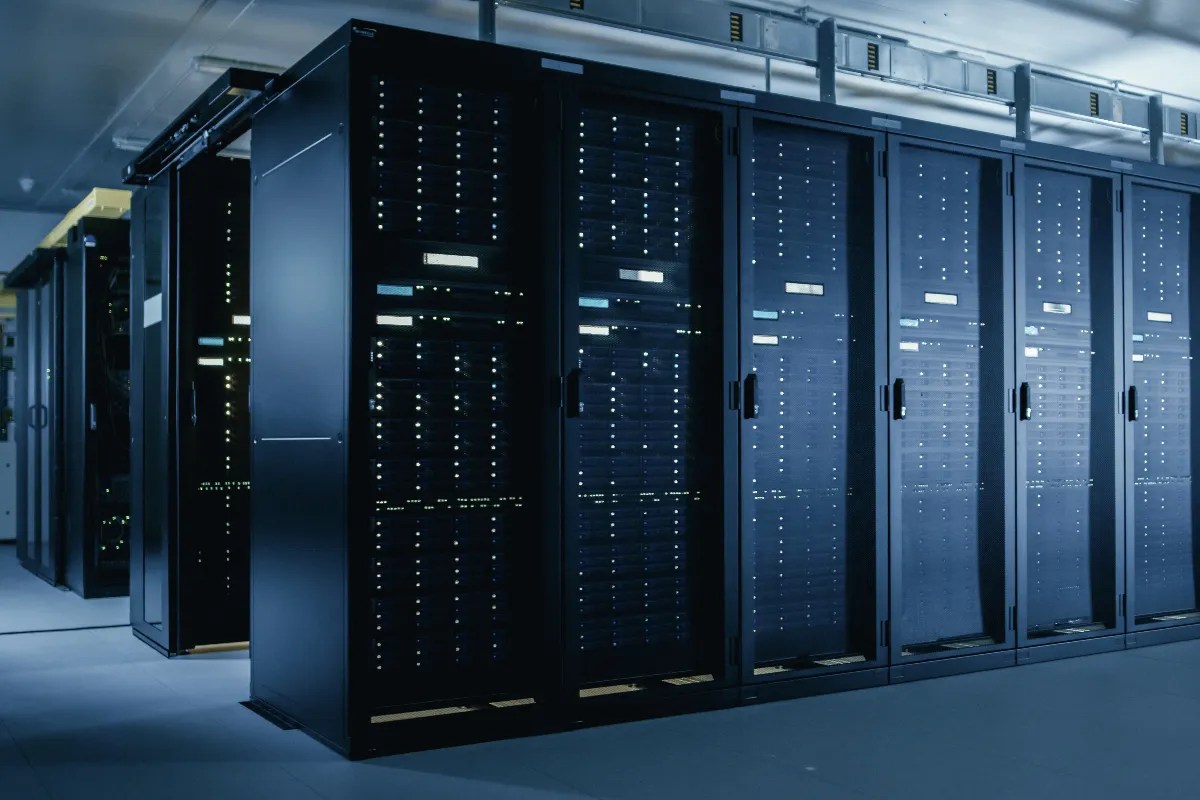
Step into a modern data center and the first thing that hits you is the chill. Rows of black metallic towers stretch into the distance, humming with a low, hypnotic drone. Millions of microchips are thinking, calculating, and processing the digital exhaust of our lives. Every AI prompt, every generated image, every automated email requires an immense amount of computational power. This power generates heat. To keep these silicon brains from melting, massive cooling systems run around the clock, consuming electricity at a rate that defies comprehension.
Now, take a deep breath. Shift your senses away from the sterile, air-conditioned server farms of Silicon Valley and transport yourself to a rural dairy farm in Uttar Pradesh, India. The air here smells of wet earth, sugarcane, and fresh cow dung. A farmer named Ramesh wakes up at 4:30 AM, just as he has for the last thirty years, to tend to his cattle. For generations, the waste from these animals was used for fertilizer or dried into cakes for cooking fuel. It was a humble, local cycle.
Today, these two entirely different worlds are hurtling toward an unlikely collision.
We are standing on the precipice of an energy crisis that the architects of artificial intelligence did not anticipate. AI requires massive data centers. Data centers require unprecedented amounts of electricity. The grid is buckling under the weight. The solution to powering the most advanced software ever created by humanity might not lie in nuclear fusion or massive solar arrays, but in the very ground Ramesh walks on every morning.
Biogas derived from animal waste is quietly becoming the unsung savior of the digital age.
The Blind Spot of the Silicon Boom
We often treat the internet as something ethereal. We call it "the cloud," as if our data is floating effortlessly in the sky, weightless and clean. But the cloud is an illusion. The cloud is a physical building made of concrete and steel, packed with energy-hungry hardware.
When OpenAI launched ChatGPT, it triggered a global race. Every major technology firm rushed to build their own large language models. But these models are incredibly greedy. Training a single AI model can consume more electricity than one hundred American homes use in an entire year. Running the model for millions of daily users requires a continuous, unbroken stream of baseload power.
Solar and wind energy are brilliant, but they suffer from a fundamental flaw. Intermittency. The sun sets. The wind stops blowing. A data center cannot afford a microsecond of downtime. If the servers lose power, global logistics halt, banking systems freeze, and artificial intelligence goes dark. Tech giants have tried to buy up nuclear energy, but building new reactors takes decades.
This brings us to a massive bottleneck. The digital future is expanding faster than our ability to power it cleanly. If we rely on coal and natural gas to fuel AI, we will destroy our climate goals.
That is why engineers are looking at the farm.
How Waste Becomes Wealth
To understand how a dairy farm can power an AI server, we have to look at the process of anaerobic digestion. It sounds complex, but it is one of nature's oldest tricks.
When Ramesh collects the manure from his cows, it is fed into a massive, sealed underground tank called a digester. Inside this oxygen-free environment, billions of naturally occurring bacteria go to work. They break down the organic matter, digesting it just like a second stomach. As they feast, they release a gas rich in methane.
In the past, this methane would escape into the atmosphere, acting as a potent greenhouse gas. In a modern circular economy, however, that gas is captured. It is scrubbed of impurities and fed into a generator.
The result is clean, continuous, predictable electricity. Unlike solar panels that wait for morning, or wind turbines that wait for a storm, a biogas plant operates 24 hours a day, seven days a week. It matches the relentless rhythm of a data center perfectly.
Consider the sheer scale of the opportunity. India is home to over 300 million bovine animals. The sheer volume of waste produced daily is astronomical. By converting this agricultural byproduct into electricity, we solve two problems simultaneously. We manage waste effectively, and we generate green energy exactly where the grid needs it most.
The Human Capital at the Center
It is easy to get lost in the macro-economics of energy grids, but the real transformation is happening at the human level.
For decades, smallholder farmers in developing nations have been vulnerable to the whims of the market. A bad monsoon or a sudden drop in crop prices could ruin a family for generations. Farming was a game of survival, entirely disconnected from the roaring tech economies of Delhi, Bengaluru, or San Francisco.
Biogas infrastructure flips this dynamic. Suddenly, a farmer is no longer just selling milk or crops. They are energy suppliers.
When a consortium builds a localized biogas power plant near rural clusters, they create a steady, predictable demand for manure. Local families are paid for waste they previously threw away. This creates a secondary income stream that is completely decoupled from weather patterns or global commodity markets.
Ramesh’s daily routine stays the same, but the economic reality of his household changes. His children see a future in the village rather than fleeing to overcrowded urban slums in search of gig-work. The money flowing from tech conglomerates seeking green credits filters directly down into the rural soil, building schools, paving roads, and funding local healthcare.
The invisible thread connecting a coder in California to a dairy farmer in India is no longer hypothetical. It is an economic pipeline.
Overcoming the Skepticism
The idea sounds beautiful on paper, but critics are quick to point out the logistical nightmares. How do you aggregate waste from millions of fragmented, small-scale farms? How do you transport a heavy, wet substance efficiently without burning through more fossil fuels than the biogas replaces?
These are valid, terrifying hurdles. If the logistics fail, the entire system collapses under its own weight.
The answer lies in decentralized hub-and-spoke models. Instead of transporting raw manure over long distances, small, localized processing centers clean and compress the biogas into compressed bio-gas (CBG). This fuel is highly dense, easily transportable, or can even be injected directly into existing natural gas pipelines that run toward industrial zones where data centers are being constructed.
Furthermore, the byproduct of this process is not wasted. Once the bacteria have extracted the methane, what remains is a highly concentrated, nutrient-rich organic digestate. This goes right back to the farmers, replacing expensive, chemical-heavy synthetic fertilizers that degrade the soil over time. It is a closed loop. Nothing is lost. Everything is transformed.
A New Philosophy for Progress
We have spent the last two centuries believing that progress requires destruction. We assumed that to build the future, we had to dig deeper holes into the earth, burn ancient fossils, and accept toxic air as the price of admission to modernity.
The AI boom is forcing us to rethink this entire philosophy. We are realizing that the digital world cannot survive if it remains disconnected from the biological world.
The next time you type a question into an AI assistant and receive a brilliant, instant response, look past the screen. Look past the sleek glass of your smartphone. See the silent, humming data centers cooling themselves in the dark. And see the miles of pipeline stretching out across the landscape, leading all the way back to a quiet field where a farmer is walking among his cattle under the morning sun.
The smartest machines we have ever built are finally learning to run on the oldest rhythms of the earth.