The weight of a trip is never measured in kilograms. It is measured in anticipation. For months, the calendar sits on the kitchen wall with a circled date, a tiny, quiet promise of escape. You pack the sunscreen you bought on sale in May. You fold the linen shirts that smell like cedar. You zip the canvas shell tight, lock the metal teeth, and roll it toward the door. That suitcase is not just a container for cotton and leather. It is the physical manifestation of your rest.
Then comes the carousel.
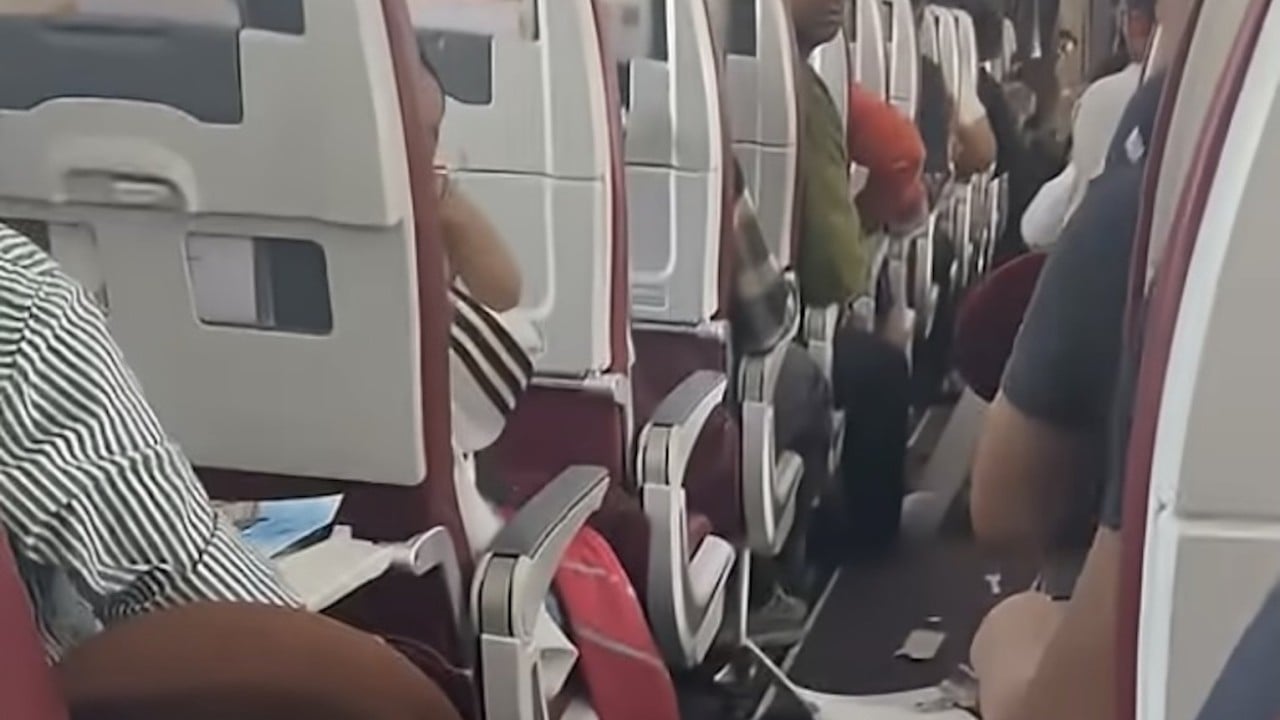
The metal slats clatter against each other in an endless, rhythmic loop. Passengers cluster around the rubber flaps, stiff from eight hours in a pressurized aluminum tube, eyes locked on the dark void where the bags are supposed to appear. Backpacks drop to the floor. Rollaboards are kicked aside. One by one, strangers snatch their property and melt into the terminal.
The belt slows down. The noise changes pitch.
Minutes bleed into half an hour. The floor is nearly bare save for a lonely cardboard box and a child’s abandoned plush rabbit. A sinking realization settles into your stomach, heavy and cold as lead. Your bag is not coming. The vacation has not just been delayed; it has been hijacked by an invisible logistical failure thousands of miles away.
Consider the ordinary mechanics of modern flight. We treat commercial aviation like a public bus with wings, a mundane commute through the stratosphere. We forget the terrifying scale of the machinery keeping it aloft. Every single day, millions of travelers hand over their most personal belongings to an invisible army of baggage handlers, conveyor belts, laser scanners, and automated sorting hubs.
Most of the time, the system works with terrifying efficiency. Millions of pieces of luggage vanish into the belly of an airport and emerge seamlessly at the destination. But when it breaks, it breaks entirely.
According to data tracking global aviation logistics, millions of bags are mishandled annually. Delayed, damaged, pilfered, or lost entirely. Behind every single one of those cold statistics is a human being standing at a baggage service desk in unfamiliar clothes, staring at a ticketing agent with a clipboard and a plastic smile.
Let us look at a hypothetical traveler, someone named Sarah, traveling to a coastal town in southern Italy for a milestone anniversary. She has planned this week for a year. She arrives with a carry-on that holds her laptop and a single change of underwear, expecting her primary wardrobe to meet her at the regional airport.
It does not.
Her bag is currently sitting in a concrete transfer facility in Frankfurt, having missed a tight connection because her incoming flight touched down four minutes late. Four minutes. That is the margin of error in a global transit network designed to move humanity at the speed of sound.
Sarah walks out of the terminal into the Mediterranean heat wearing the heavy wool sweater she wore onto the plane in Chicago. The air hits her like a warm towel. It should feel luxurious. Instead, it feels suffocating. She does not have her medication, which was packed safely in the side pocket of the missing checked bag. She does not have the custom-tailored dress she intended to wear to dinner on the cliffs. She has a receipt for a property irregularity report, a phone number that rings into an automated loop, and a mounting sense of panic.
This is the psychological toll of lost luggage. It is not merely an inconvenience. It is an assault on your sense of agency.
Travel is supposed to be an expansion of self, a temporary shedding of routine. When your possessions are stripped from you, the opposite happens. You contract. You become hyper-focused on the mundane acquisition of basics. You spend your first two days in paradise searching local pharmacies for generic toiletries and scouring clothing racks for garments that do not quite fit, all while refreshing an airline tracking app that stubbornly reads: Tracing Continues.
The irony is that airlines know where these bags are most of the time. Modern baggage tracking uses radio frequency identification and barcode scanning at every major checkpoint. You can watch your phone map ping a terminal across an ocean. You can see that your suitcase is currently resting three thousand miles away in a warehouse bin.
Knowing where a disaster is located does not make it any less destructive.
Transparency without resolution is a unique form of modern torture. It transforms the victim into an investigator, forcing tired, jet-lagged tourists to spend their precious holiday hours arguing with customer service chatbots or waiting in endless terminal queues filled with other desperate souls holding identical green claim forms.
What happens to the holiday itself? It fractures. The itinerary you spent months curating dissolves into logistics management. Instead of walking cobbled streets at dusk, you are sitting on the edge of a hotel bed, arguing with an insurance adjuster over the receipt for a toothbrush and a replacement swimsuit.
The emotional residue lingers long after the bag finally arrives on day four, delivered by a courier service in a battered white van. By then, the psychological armor you built to protect your joy has already cracked. You pull out your clothes, but they feel tainted by the ordeal. The rhythm of the trip is broken. You are no longer fully present in the moment because a part of your brain is still calculating whether your return flight will suffer the same fate.
We have built a civilization capable of launching titanium tubes into the upper atmosphere and landing them on distant continents with pinpoint accuracy. Yet we still struggle to ensure that a canvas box containing three pairs of shoes arrives at the same destination as its owner.
Until that logistical gap is closed, every journey carries a ghost. It is the ghost of the bag left behind on the tarmac, spinning endlessly on an empty belt in an empty room, waiting for a carousel that has already stopped moving.