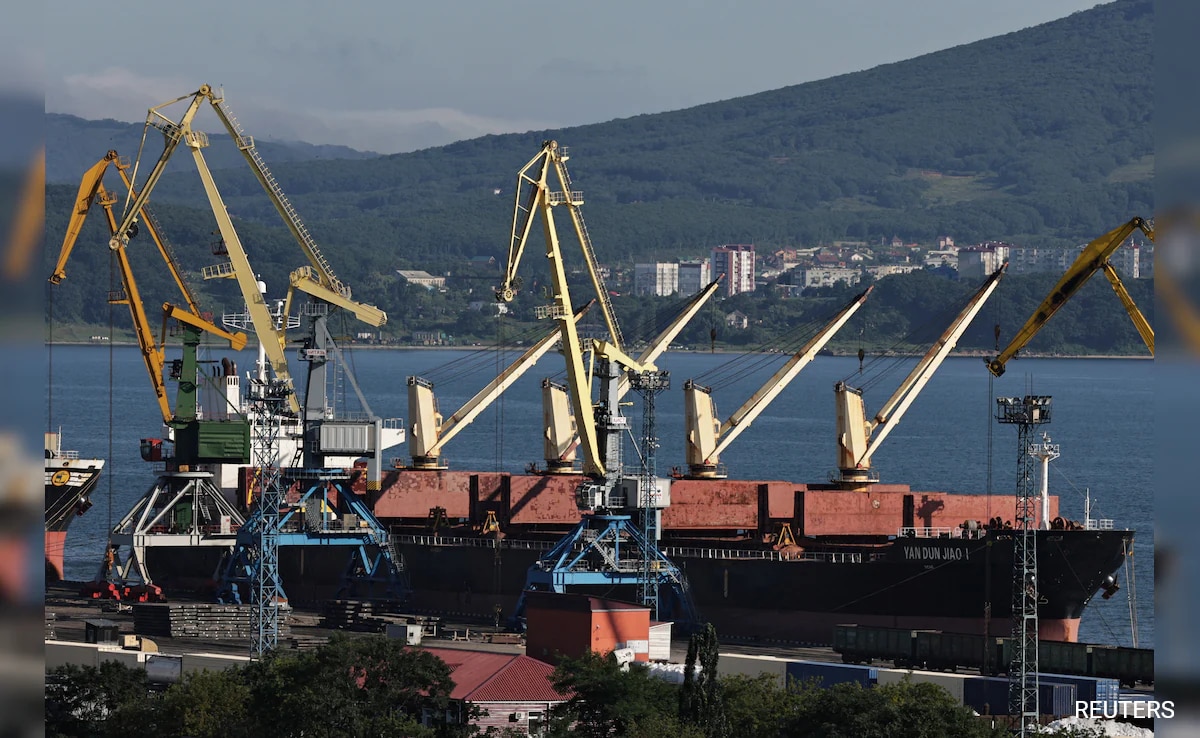
India’s energy security currently rests on a precarious arbitrage between geopolitical risk and fiscal necessity. As conflict in the Middle East threatens traditional supply lines through the Strait of Hormuz, the Indian refining sector has shifted from a "just-in-time" procurement model to a "risk-insulated" diversification strategy. This transition is not merely a response to fluctuating Brent prices; it is a structural realignment of the world’s third-largest oil consumer toward a permanent reliance on discounted Russian Urals to offset the systemic fragility of Persian Gulf logistics.
The Triple Constraint of Indian Energy Policy
The Indian government’s procurement logic operates within a rigid trilemma: maintaining domestic price stability to curb inflation, reducing the current account deficit, and adhering to international Sanctions regimes without sacrificing national interest.
1. The Fiscal Anchor (Russian Urals)
Russian crude serves as a non-negotiable hedge against Middle Eastern volatility. By securing volumes of Urals—often trading at a significant spread to Dated Brent—Indian refiners create a massive cost buffer. This buffer allows the state-owned Oil Marketing Companies (OMCs) to absorb spikes in global benchmarks without immediately passing those costs to the consumer at the pump. The mechanism is simple: for every $1 discount per barrel on Russian crude, India potentially saves billions in annual foreign exchange outflows.
2. The Logistic Vulnerability (The Iran-Israel Vector)
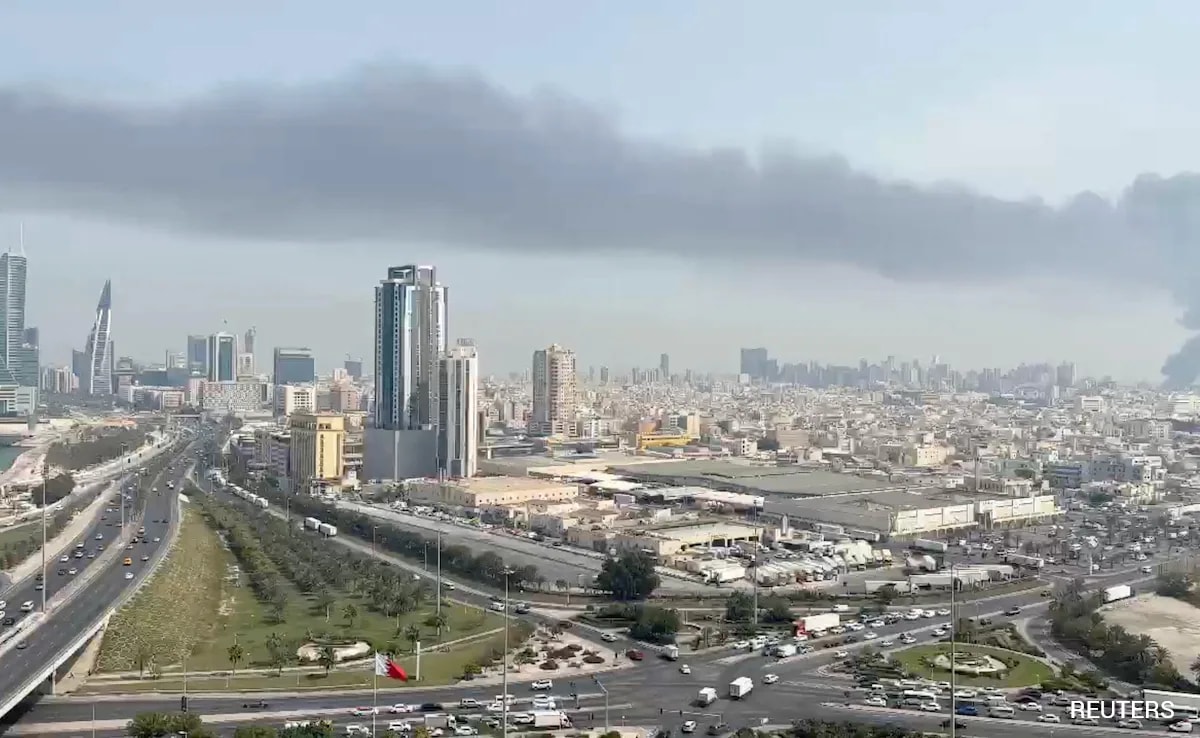
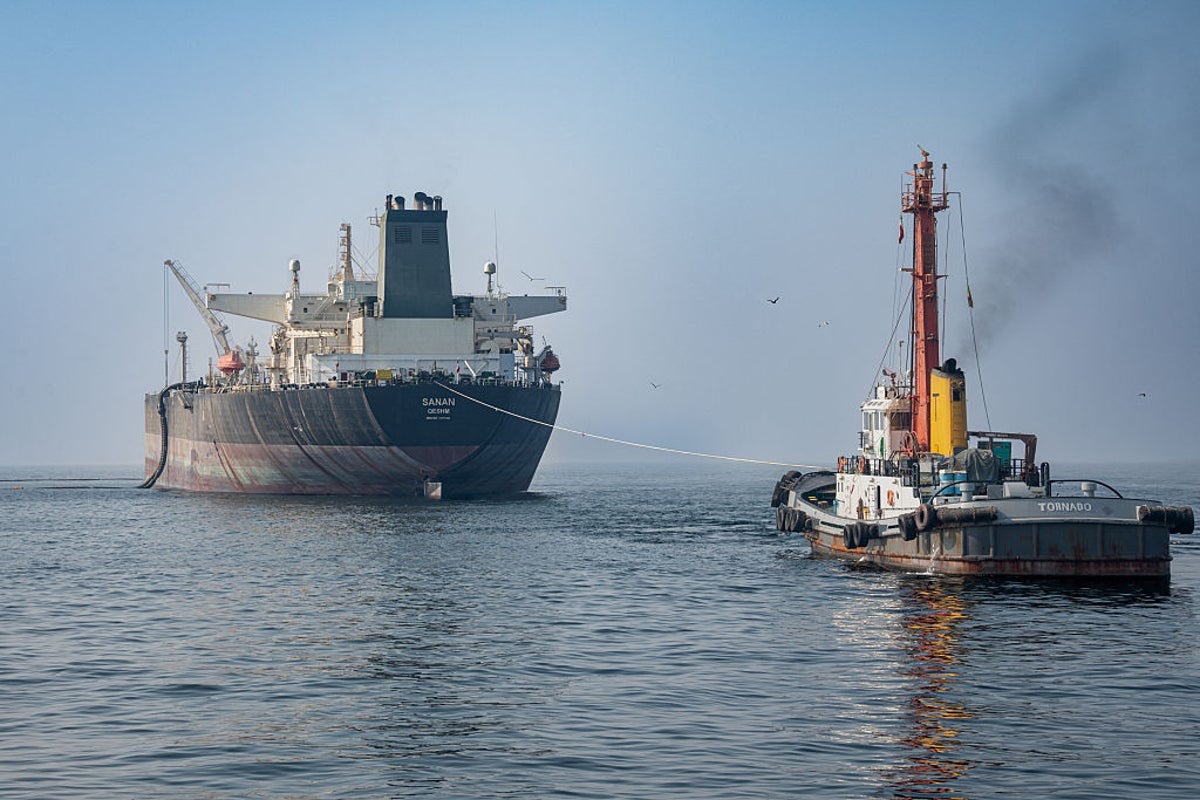
Roughly 30% of India’s crude imports pass through the Strait of Hormuz. Any escalation between Iran and regional adversaries creates a "War Risk Premium" on insurance and freight. By maintaining high volumes of Russian imports, which primarily transit via the Baltic and Black Seas before heading through the Suez Canal, India bifurcates its supply chain. This geographic decoupling ensures that a blockade or kinetic strike in the Persian Gulf does not result in a total seizure of the Indian economy.
3. The Refining Complexity Optimization
Indian refineries, particularly complex installations like those in Jamnagar and Vadinar, are designed to process a variety of crude grades. The technical ability to switch between heavy Middle Eastern crudes and the medium-sour profile of Russian Urals allows for "yield optimization." Refiners calculate the "Gross Refining Margin" (GRM) daily, switching sources based on which crude offers the highest percentage of high-value distillates like diesel and jet fuel relative to its landed cost.
Deconstructing the Cost Function of a Barrel
The true cost of a barrel of oil for an Indian refiner is not the headline price on a screen in London or New York. It is defined by the Landed Cost Equation:
$$Landed Cost = (Benchmark Price - Discount) + Freight + Insurance + Demurrage + Finance Charges$$
In the current environment, the "Discount" variable on Russian barrels has become the primary driver of procurement. However, as the G7 price cap and shipping sanctions tighten, the "Freight" and "Insurance" variables have scaled upward. This creates a diminishing return on the Russian arbitrage. To counter this, India has increasingly utilized a "shadow fleet" of tankers and alternative insurance providers based in non-Western jurisdictions.
The Bottleneck of Payment Intermediation
The most significant friction point in continuing Russian imports is not the physical availability of oil, but the settlement of transactions. The exclusion of Russian banks from SWIFT forced a shift toward:
- Currency Diversification: Settlements in UAE Dirhams (AED), Indian Rupees (INR), and occasionally Chinese Yuan (CNY).
- Vostro Account Mechanics: A system where Russian exporters hold Rupee balances in Indian banks, which are then used to purchase Indian goods or invested in Indian government bonds.
- Non-Dollar Ledger Systems: The development of bilateral clearing houses to bypass the U.S. financial system entirely.
This financial infrastructure is still in its infancy and carries high "slippage" costs—the loss in value due to currency conversion and limited liquidity in the INR-RUB pair.
The Geopolitical Risk Premium vs. The Price Cap
The G7-led price cap ($60 per barrel for Russian crude) was intended to starve the Russian treasury while keeping oil flowing to prevent a global price shock. India’s refusal to formally join this cap while largely benefiting from its downward pressure on prices represents a masterclass in "Strategic Autonomy."
If Middle Eastern tensions drive Brent to $100, the spread between Brent and Urals often widens. This is because the market perceives the risk to Middle Eastern supply (physical disruption) as higher than the risk to Russian supply (regulatory friction). Consequently, the more unstable the Middle East becomes, the more economically attractive Russian crude appears to Indian planners.
The primary threat to this strategy is the "Secondary Sanctions" risk. Should the U.S. Treasury move to penalize third-party entities—like Indian state refiners—for interacting with Russian vessels outside the price cap, the logistics costs would likely spike, erasing the discount.
Structural Shifts in Import Dependency
Historically, Iraq and Saudi Arabia were the pillars of Indian supply. The rise of Russia to the number one spot (at times exceeding 35% of total imports) has forced Middle Eastern producers to rethink their pricing strategies. Saudi Aramco’s Official Selling Prices (OSPs) for Asia are now calculated with a keen eye on Russian Urals' competitiveness.
This competition has led to:
- Term Contract Flexibility: Middle Eastern suppliers offering more flexible volume options to prevent India from pivoting entirely to the spot market.
- Equity Oil Investments: Indian firms seeking upstream stakes in both Russian and Middle Eastern fields to secure "equity oil," which is immune to market price fluctuations.
The Strategic Petroleum Reserve (SPR) Limitation
A critical weakness in India’s strategy is its limited Strategic Petroleum Reserve. With roughly 9.5 days of cover, India lacks the cushion that the United States or China possesses. This low storage capacity means India cannot "wait out" a supply disruption. It must keep the taps open continuously, which explains the aggressive pursuit of Russian oil even during periods of intense international scrutiny. Procurement is a function of survival, not just profit.
Regional Conflict Scenarios and Impact on Crude Flows
The probability of a total closure of the Strait of Hormuz remains low due to the catastrophic economic impact on the exporters themselves. However, "Grey Zone" warfare—drone strikes on tankers, seizure of vessels, and sabotage of pipelines—is the new baseline.
Under these conditions, the Insurance Risk Ladder dictates the flow:
- Stage 1: Heightened Premiums. Freight rates increase; refiners absorb the cost or pass it to the state.
- Stage 2: Diversion. Ships are rerouted, adding 10-15 days to transit times and increasing fuel burn.
- Stage 3: Supply Shortfall. Physical shortage leads to a drawdown of SPRs and emergency rationing.
India is currently operating in Stage 1 and Stage 2. The reliance on Russian crude provides a vital bypass to Stage 3 by maintaining a non-Hormuz dependent supply artery.
Operational Recommendations for Energy Stability
To navigate the 2024-2026 volatility window, India must move beyond transactional procurement and institutionalize its energy defense.
- Accelerate Domestic Tanker Ownership: Reducing reliance on foreign-flagged vessels for Russian oil will lower the impact of Western shipping sanctions.
- Expand the SPR via Public-Private Partnerships: Moving toward a 30-day reserve is essential to decouple procurement decisions from short-term geopolitical panics.
- Formalize the Rupee-Rouble Settlement: Establishing a predictable, liquid mechanism for non-dollar trade will reduce the transaction costs that currently eat into the Russian discount.
- Refinery Re-tooling: Investing in "bottom-of-the-barrel" processing technology to handle even heavier, more discounted grades of crude from diverse geographies, including South America.
The strategy is clear: India will continue to utilize Russian crude as a fiscal shield against Middle Eastern instability. The duration of this trend depends less on diplomatic pressure and more on the mathematical reality of the landed cost of a barrel. As long as the Middle East remains a theater of kinetic risk, the Arctic and Baltic flows will remain India's primary economic lifeline.
Direct the Ministry of Petroleum and Natural Gas to finalize long-term, fixed-discount term contracts with Rosneft and Gazprom Neft, effectively locking in the current arbitrage before potential de-escalation in the Middle East narrows the Brent-Urals spread.