The European Union is clutching its pearls again. Brussels issues a "stern warning," the markets twitch for forty-eight hours, and cable news pundits dust off their 1980s maps of the Persian Gulf. They call the situation in the Strait of Hormuz "unacceptable." They call it a "threat to global energy security."
They are wrong.
The consensus view—that Iran holds a metaphorical knife to the throat of the global economy—is a lazy relic of a pre-shale, pre-renewables world. We are witnessing a geopolitical theater piece where both sides benefit from the illusion of imminent catastrophe, while the actual mechanics of global trade have already rendered the "chokepoint" narrative obsolete.
The Myth of the Global Energy Shutdown
The standard argument suggests that if Iran closes the Strait, the world stops spinning. This assumes a static, fragile energy market that hasn't evolved since the Carter administration.
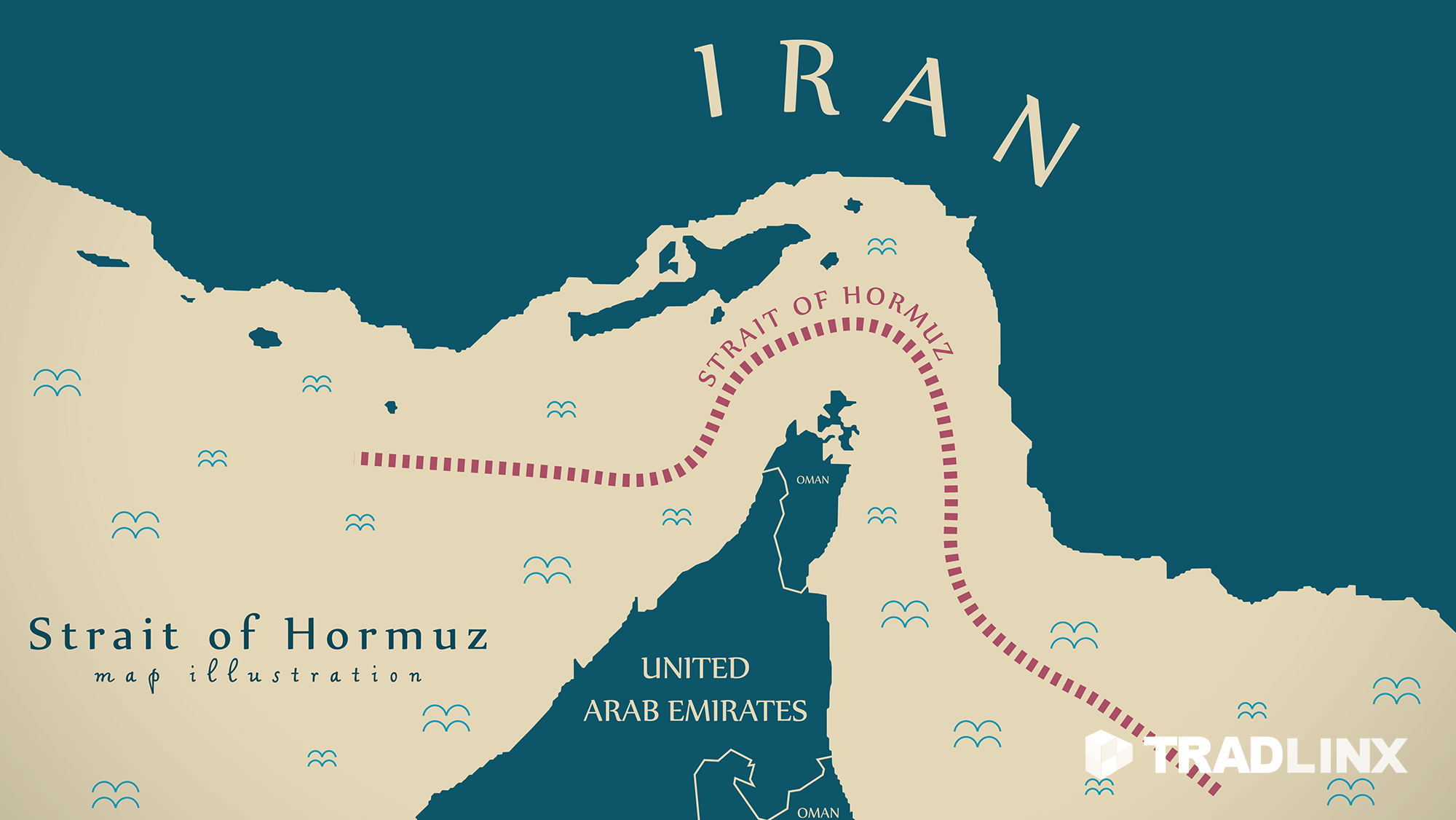
Let’s look at the math. Roughly 20% of the world’s liquid petroleum passes through that 21-mile-wide strip of water. On paper, that looks like a kill switch. In practice, it is a logistical hurdle.
The "unacceptable" rhetoric ignores the massive expansion of the East-West Pipeline in Saudi Arabia and the Abu Dhabi Crude Oil Pipeline. These aren't just backup plans; they are structural bypasses. Saudi Arabia can move five million barrels per day to the Red Sea, completely circumventing the Strait. The UAE can move another 1.5 million barrels to the Gulf of Oman.
When EU presidents scream about "tensions," they aren't worried about the lights going out in Berlin. They are performing for a domestic audience to justify bloated defense budgets and a toothless foreign policy. The reality is that a full closure of the Strait would be a self-inflicted wound for Iran, destroying their only remaining economic lifelines to China and India. Tehran knows this. Brussels knows this. The only people who don't seem to know it are the ones clicking on sensationalist headlines.
Why High Oil Prices are the Ultimate Deterrent
Critics argue that even a brief disruption would send Brent Crude to $200 a barrel.
Good. Let it.
Nothing accelerates the transition away from fossil fuels faster than a price spike. If you want to see the "green revolution" actually happen, you should be praying for a temporary maritime blockade. High prices are the only thing that forces industrial efficiency and kills the demand for inefficient internal combustion.
The irony is that the very people demanding "stability" in the Gulf are the ones claiming they want to "decarbonize" their economies. You cannot have both cheap, stable Middle Eastern oil and a rapid shift to renewables. Stability is the enemy of innovation. Every time the EU steps in to "calm the waters," they are effectively subsidizing the status quo and kicking the can of energy independence down the road.
The "Freedom of Navigation" Fallacy
Western leaders love the phrase "freedom of navigation." It sounds noble. It sounds like a universal right.
In reality, it is a selective tool of hegemony. We didn’t hear much about the sanctity of international waters when the West was seizing Iranian tankers in Gibraltar. The "rules-based order" only seems to apply when it favors Western supply chains.
I have watched maritime insurance firms hike premiums by 300% in a week based on a single drone sighting. These firms aren't reacting to a real physical threat; they are reacting to the narrative of a threat. It is a massive transfer of wealth from shippers to insurers, fueled by the breathless reporting of "unacceptable" behavior.
The China Factor: The Silent Enforcer
Here is the nuance the competitor article missed: Iran cannot close the Strait because China won't let them.
China is the largest buyer of Iranian crude. They are also the primary destination for the oil coming out of Iraq and Kuwait. If Iran were to actually block the channel, they wouldn't just be poking the "Great Satan" in Washington; they would be severing the jugular of their only remaining superpower patron.
Geopolitics isn't a game of checkers where one side makes a move and the other reacts. It’s a complex web of dependencies. Iran uses the threat of closure as leverage in nuclear negotiations. They have no intention of actually doing it. It is the ultimate bluff, and Western leaders are playing their part in the script by acting terrified.
Stop Trying to "Solve" the Gulf
The policy obsession with "securing" the Strait is a waste of capital. Instead of sending carrier strike groups to play cat-and-mouse with speedboats, the focus should be on three things:
- Redundancy over Protection: Build more pipelines. If the water is contested, move the oil over land. It is cheaper than a naval war.
- Strategic Reserve Liquidation: Use the SPR to punish speculators, not to balance the market.
- Strategic Apathy: Stop reacting to every Iranian technical maneuver. The more the West screams "unacceptable," the more power they hand to Tehran.
The "tensions" in the Strait of Hormuz are a feature of the current system, not a bug. They provide a convenient villain for Western politicians and a high-stakes poker chip for a squeezed Iranian regime.
If you want to see who is actually in control, don't look at the warships. Look at the flow of currency. As long as the oil keeps moving—even if it has to take the long way around—the rhetoric is just noise.
The Strait isn't a chokepoint. It’s a stage. And the EU President is just an actor who forgot the play is a comedy, not a tragedy.
Stop treating every ripple in the Persian Gulf like the end of the world. It’s bad for your blood pressure and even worse for your portfolio. The world isn't going to end because a tanker got bored in the Gulf of Oman. It’s time to grow up and recognize the theater for what it is.
The real threat isn't a closed Strait; it's the continued belief that we can't survive without it.
Turn off the news. Buy the dip. Let the bureaucrats keep their "unacceptable" adjectives.
We’ve already moved on.