Government travel advisories are not design guides for your vacation. They are legal shields for bureaucrats.
When the Embassy of India in Bangkok issues a high-alert warning regarding border clashes with Cambodia, or outlines the rigid steps for the 2026 Thailand Digital Arrival Card (TDAC) and Visa on Arrival (VoA) changes, mainstream travel outlets rush to publish panicky checklists. They tell you to hold your documents in one neat folder, count your Thai Baht cash, and steer clear of entire provinces.
They treat geopolitics and immigration like a fragile glass floor you are about to fall through.
I have spent over a decade navigating border zones, dealing with immigration shakedowns, and watching tourists panic over bureaucratic press releases. If you plan your travels based on the literal interpretation of an embassy advisory, you will spend your trip overpaying for sanitised excursions and missing the actual mechanics of global travel.
The lazy consensus says: obey the advisory, fear the borders, and follow the exact administrative script.
The insider reality is entirely different.
The Myth of the Border War Exclusion Zone
Mainstream media platforms love a border conflict. When reports hit about artillery fire or landmines along the Thailand-Cambodia border near ancient temples, the immediate reaction from armchair travel experts is to treat the entire regional boundary as an active combat zone.
Let's dismantle the premise of the warning.
Embassies issue blanket geographic warnings because they cannot afford the liability of specific nuance. If an incident happens 10 kilometres from a tourist site, the entire district gets blacklisted in official documentation. For the average traveller, this absolute risk aversion creates a false perception of danger.
Imagine a scenario where a local border dispute over a temple precinct halts a specific rail link. The advisory tells you to avoid the entire border region. What they do not tell you is that daily commerce, local markets, and overland transit routes just a few miles away continue completely uninterrupted. The locals are not running for cover; they are trading.
When you avoid rural border crossings because of a generic government memo, you hand your money directly to major airline cartels operating flights between Bangkok and Phnom Penh. The real danger at a border is not a stray mortar shell; it is the institutionalised extortion from visa processing syndicates operating in the shadow of official checkpoints.
Instead of hiding in your Bangkok hotel room, learn to read local sentiment. If the regional buses are still running and the local merchants are still setting up their stalls, the border is functional. Government alerts operate on a multi-day delay; local trade operates in real-time.
The Paperwork Illusion of Immigration Checks
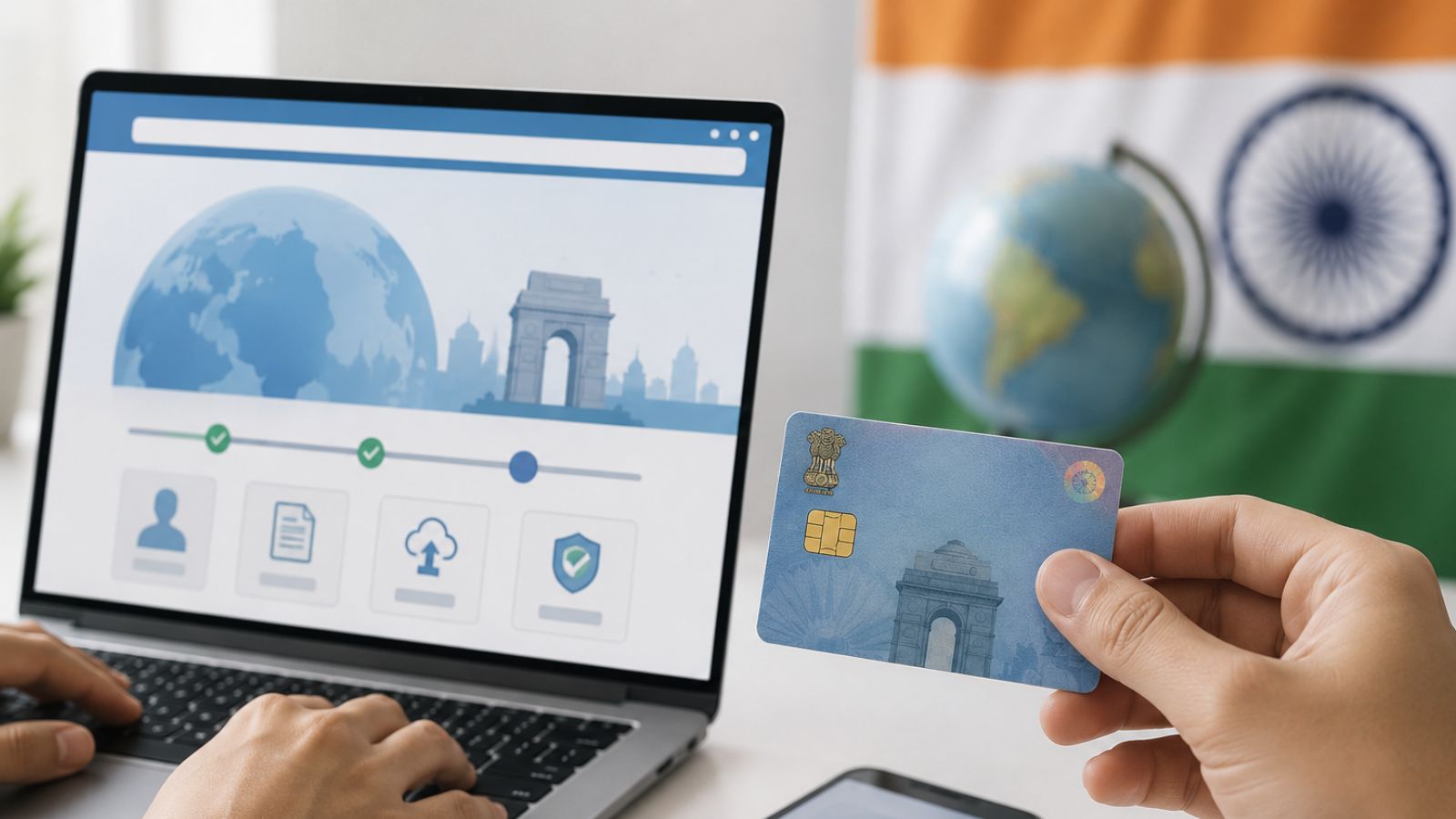
The 2026 transition back to a strict 15-day Visa on Arrival for Indian passport holders, coupled with the mandatory Thailand Digital Arrival Card (TDAC), has caused mass anxiety in travel forums. The common advice is to pre-fill every form, print three copies of everything, and show up at the airport looking like an accountant ready for an audit.
This approach misses the entire psychological dynamic of airport immigration.
An immigration officer processing five hundred people a hour does not want to read your six-month bank statement or verify the original ink seal from your local branch. They want you out of their face as quickly as possible. The bureaucratic demands listed on official embassy websites are maximum legal requirements, not everyday realities.
Look at the actual mechanics of the 2,000 THB entry fee. Mainstream blogs tell you to carry the exact amount in cash to speed up the queue. What they fail to mention is that the physical cash requirement is exactly where the systemic inefficiency lies. If you show up with the exact cash, you enter the slow lane with hundreds of other tourists who followed the same advice.
The real insider move is navigating the unofficial "fast track" mechanics that exist at major hubs like Suvarnabhumi or Don Mueang. There is almost always a premium processing option or an e-VoA queue that circumvents the manual cash-counting desks. Spending an extra few hundred Baht on premium routing saves hours of queueing, rendering the entire "show up four hours early to avoid peak times" advice completely obsolete.
Dismantling the People Also Ask Premise
When travellers look at official guidelines, they ask the wrong questions because they are guided by systemic fear.
Do I really need to carry 10,000 Baht in physical cash to enter?
The official rule states you need proof of funds. The lazy interpretation is that you must carry a thick wedge of paper currency through an airport. This is an outdated rule designed to filter out undocumented laborers, not legitimate tourists.
In practice, physical cash checks are highly discretionary. They are used as a pretext to deny entry only if you look suspicious, show up in tattered clothing, or have a passport full of back-to-back visa runs. If you present yourself as a professional, hold a valid return ticket, and have your TDAC QR code ready, the probability of an officer asking you to count physical notes on the counter is near zero. Carrying excessive cash just makes you a target for terminal pickpockets and corrupt airport taxi drivers.
How do I avoid tourist scams highlighted in the advisory?
Embassy advisories list jet ski scams, bar tab inflation, and fake gem shops as major threats. Their solution? Avoid unsolicited advice and stick to official operators.
This is useless, generic advice. The only way to truly avoid scams is to understand that everything in a high-density tourist zone is a transaction. The jet ski vendor at Pattaya who charges you for a pre-existing scratch isn’t succeeding because you didn't check the advisory; they are succeeding because you signed a contract and handed over your physical passport as collateral.
The rule is simple: Never hand your physical passport to anyone who does not wear an official state uniform. If a rental company demands your passport, walk away. If a bar does not have prices clearly printed on a menu, do not drink there. You do not need a government advisory to teach you basic commercial self-defense.
The Flaw in the Safe Zone Recommendations
Mainstream guides tell you to stick to well-trodden paths like Sukhumvit in Bangkok, Patong in Phuket, or the Old City in Chiang Mai because they are deemed safe and highly accessible.
This is a profound error.
By clustering into the exact zones recommended by travel advisories and major travel guides, you enter an ecosystem optimized to exploit you. Patong Beach is not a cultural experience; it is an administrative assembly line designed to extract cash from foreign visitors through inflated transport pricing, aggressive touting, and premium tourist taxes.
The traffic fatality rates in Thailand are among the highest in the world. Yet, advisories give minimal space to road safety while dedicating paragraphs to rare geopolitical border skirmishes. You are infinitely more likely to be injured on a rented scooter in Phuket because you have no experience driving on the left side of the road than you are to be hit by an artillery shell near the Cambodian border.
If you want safety, get away from the tourist clusters. The police presence in high-density tourist tracks is often focused on revenue generation via helmet checks and international driving permit fines. In contrast, provincial Thailand offers immense safety, lower costs, and zero institutional interest in exploiting your presence.
The Actionable Framework for True Travel Autonomy
Stop treating embassy updates like gospel. Use them as raw data to understand what the state is worried about, then build your strategy around the systemic gaps they leave behind.
- Ignore the Cash Obsession: Do not line the pockets of airport currency exchange booths that offer terrible rates. Carry a digital multi-currency card with zero foreign exchange markup. Keep a minimal amount of Baht for immediate transit, and use local ATMs inside the city for your actual cash requirements.
- Weaponise the Digital Bureaucracy: The introduction of systems like the TDAC is a filter. While the masses complain about uploading documents, you can use the digital clearance to bypass manual processing lines. Fill it out with clinical precision, get your QR code, and look for the automated or express lanes at the terminal.
- Assess Risk by Logistics, Not Bulletins: If you want to visit historical sites near a border zone, do not look at government websites. Look at logistics apps. If major logistics firms and local supply vans are operating routes into those towns, the area is completely stable for travel.
The system wants you predictable. It wants you to land at a specific hour, pay a specific fee, stay in a designated tourist enclave, and fly back within 15 days without ever scratching the surface of the country. Break the script. Treat the advisory as a map of where the crowds will be, and then go exactly where they are too afraid to look.
To better understand the realities of changing immigration rules and how they affect regional transit, this breakdown of recent border and visa crackdowns offers a raw, non-bureaucratic look at what is actually happening on the ground.