The national media follows a predictable script every summer. Three hikers die in the Grand Canyon during a heatwave, and the headlines immediately scream about climate change, unprecedented thermal spikes, and the need for more warning signs.
They are pointing the camera at the wrong culprit.
The heat isn't killing people at the Grand Canyon. Ignorance and the "Disneyfication" of the American wilderness are killing people.
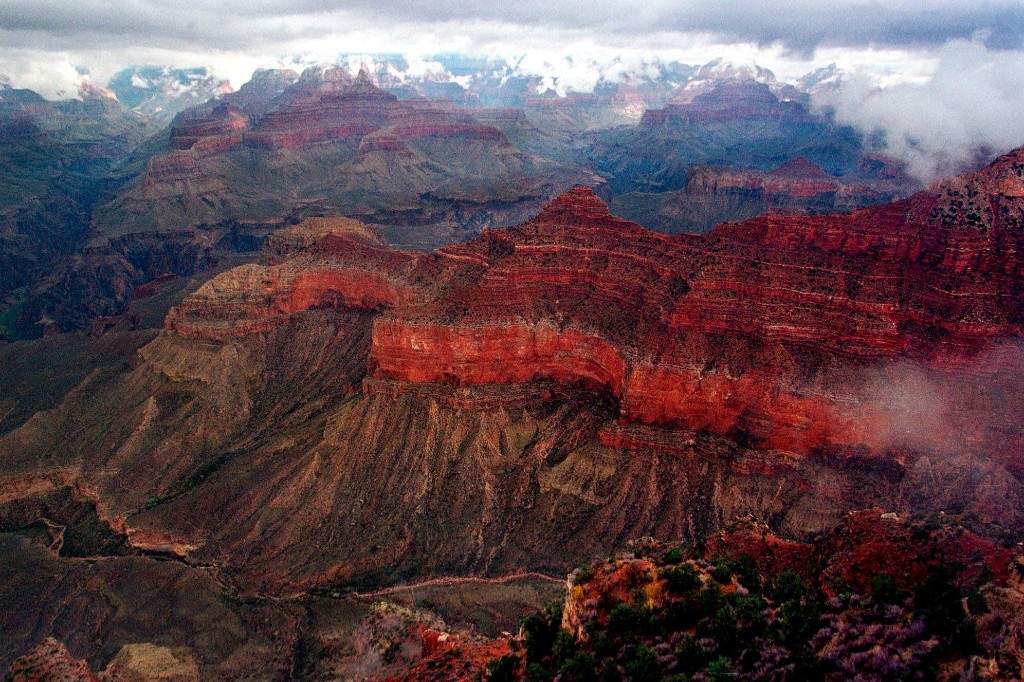
Every year, millions of tourists step out of air-conditioned tour buses, look at a paved rim trail, and assume the entire ditch is a manicured theme park. When you treat one of the most brutal geological formations on earth like a walk through Epcot, the desert doesn't negotiate.
We need to stop looking at these tragedies as freak weather incidents and start addressing them for what they actually are: failures of personal risk assessment driven by terrible advice.
The Illusion of the Downhill Start
Most mountain climbing has a built-in safety valve. You start at the bottom. You sweat, your lungs burn, and your calves scream on the way up. If you are out of shape, you run out of gas two miles in, realize you can't make the summit, and turn around. The mountain rejects you early.
The Grand Canyon is a trap because it reverses this engineering.
The Reverse Mountaineering Trap
- The False Sense of Security: You start at 7,000 feet of elevation in the cool morning air. Gravity does the work for you on the way down.
- The Microclimate Delusion: For every 1,000 feet you descend, the temperature rises by roughly 5.5 degrees Fahrenheit. By the time you reach the Colorado River, you are at 2,400 feet, and the temperature is often 25 degrees hotter than it was at the rim.
- The Point of No Return: You only realize you are in trouble when you turn around. Now, you have to climb thousands of feet of vertical switchbacks while completely exhausted, out of water, in an oven that radiates heat from the black Vishnu schist rock walls.
I have spent over a decade trekking through extreme environments, and I routinely see tourists making the descent into Bright Angel Trail carrying nothing but a single 16-ounce plastic bottle of gas station water and wearing flip-flops. They read a pamphlet that says "Stay Hydrated," and they think that is enough.
Why Drinking More Water is Killing Hikers
Here is the most dangerous piece of conventional wisdom parroted by park brochures and mainstream news articles: “Drink as much water as possible.”
This lazy, blanket advice is actively causing medical emergencies.
When you sweat heavily under extreme exertion, you don't just lose water; you lose essential salts, primarily sodium. If you chug liters of pure water without replacing those minerals, you dilute the sodium levels in your bloodstream.
This triggers a life-threatening medical condition called exercise-associated hyponatremia (EAH).
Water vs. Electrolytes: The Cellular Reality
| Condition | Cause | Symptoms | Fatal Fix |
|---|---|---|---|
| Dehydration | Lack of total body fluid | Extreme thirst, dry mouth, dark urine | Drink water and electrolytes slowly |
| Hyponatremia | Excess water relative to sodium | Confusion, vomiting, swollen hands, seizures | Chugging more water (Causes brain swelling) |
Park rangers frequently find distressed hikers who are confused, vomiting, and collapsing. Well-meaning bystanders immediately force them to drink more water, thinking they are suffering from simple dehydration. If the hiker is actually hyponatremic, that extra water causes cells in the brain to swell, leading to comas and death.
Search and rescue teams at the Grand Canyon have noted for years that hyponatremia is just as prevalent and dangerous as pure heat stroke on the trails. Yet, the media continues to publish articles telling people to simply "drink more fluid."
The PAA Delusion: Dismantling the Internet's Bad Advice
If you look at the "People Also Ask" sections on search engines regarding Grand Canyon safety, the questions themselves expose how detached the public is from reality. Let’s dismantle the premises of these questions.
"Is it safe to hike the Grand Canyon in July if I go early?"
No. It isn't. The premise that a 5:00 AM start clears you of danger is a myth. Yes, you avoid the direct solar radiation for a few hours. But by 10:30 AM, the canyon floor turns into a convection oven. The heat doesn't just come from the sun; it radiates out of the canyon walls. The rock absorbs thermal energy all day and bleeds it back out at night. If you are four miles deep at noon, an early start just means you got deeper into the trap before the trap sprung.
"Can park rangers rescue me if I get too hot?"
Do not view Search and Rescue (SAR) as your personal Uber service. The Grand Canyon National Park SAR team is one of the most overwhelmed rescue units in the country. A helicopter cannot fly safely in extreme heat because hot air is less dense, reducing aircraft lift. If the temperature hits 115°F at the bottom, a helicopter might not be able to land to save your life. You are entirely on your own.
The Failures of Modern Gear Culture
We live in an era where people believe they can buy safety. They buy a $300 hydration pack, a pair of premium trail runners, and a GPS beacon, believing this tech shield protects them from physics.
It doesn’t.
[Modern Hiker Mentality] ──> Relies on Tech/Gear ──> Ignores Physical Limits ──> Catastrophe
[Survival Reality]       ──> Relies on Judgment  ──> Respects Environmental Limits ──> Survival
Relying on a satellite messenger to text your family that you need help creates a false safety net. It removes the healthy element of fear that keeps people alive. True wilderness survival isn't about having the best gear; it's about having the restraint to look at a trail, look at the thermometer, and say, "Not today."
How to Actually Survive Extreme Canyon Trekking
If you are going to ignore the warnings and hike into an extreme environment anyway, throw away the standard tourist advice. Follow the rules used by serious desert endurance athletes and deep-canyon rangers.
- Eat Your Hydration: Do not drink water without consuming salty snacks. Pretzels, chips, and salt tablets are more critical than the fluid itself. If you aren't eating, stop drinking water.
- The 50% Rule: Turn around when half of your time, half of your energy, or one-third of your water supply is gone. Remember that the return trip takes twice as long and requires three times the effort as the descent.
- Wet the Core, Not the Throat: If you are near a water source or carrying extra utility water, pour it over your head, shirt, and hat. Evaporative cooling is the most efficient way to lower your core body temperature. Using water externally does far more to prevent heat stroke than forcing yourself to swallow fluids past the point of thirst.
- Embrace the Siesta: If you find yourself caught in the heat of the day, stop moving. Find a shadow under a rock overhang. Sit down. Do not attempt to hike up during the peak thermal hours of 11:00 AM to 4:00 PM. Wait for the sun to drop below the rim, even if it means hiking out in the dark with a headlamp.
Stop Sanitizing the Wilderness
The uncomfortable truth that no tourism board wants to admit is that nature is inherently hostile, indifferent, and unyielding.
We have spent decades sanitizing the outdoor experience with paved paths, handrails, and interpretive signs, leading the public to believe that the natural world has been tamed. It hasn't. The Grand Canyon is a massive, remote, crumbling chasm that will gladly kill you if you fail to respect basic thermodynamic realities.
Stop blaming the weather. Stop waiting for the National Park Service to install water stations every half mile. The solutions aren't structural; they are mental.
If you step past the rim without respecting the reverse physics of the terrain, you aren't a victim of an unpredictable climate event. You are a casualty of your own arrogance.