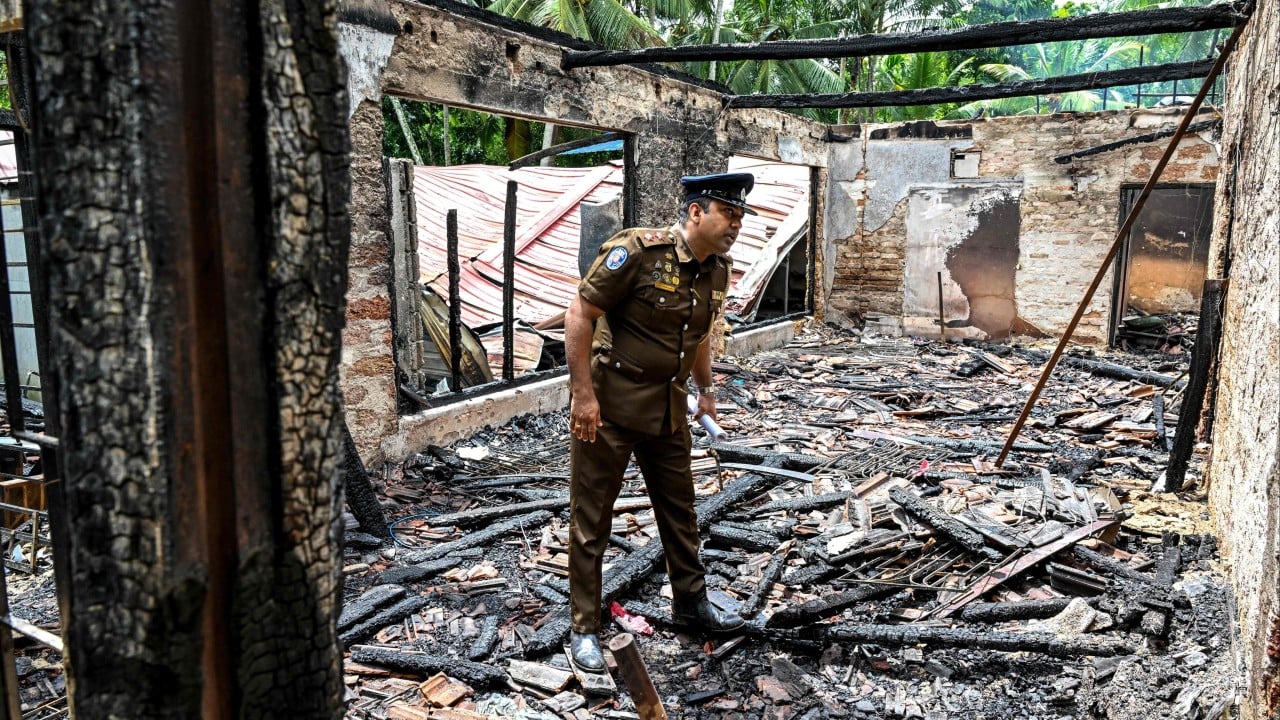
The tragic fire at the Mawpiya Sevana care home in Anguruwatota, Sri Lanka, which claimed 12 lives, followed a script we have all memorized. A building burns. Overcrowded rooms are exposed. An unregistered facility is revealed. The state swoops in, hand-cuffs the director, and calls it justice.
Mainstream media outlets have rushed to paint this as a simple story of a rogue operator running an illegal operation. They focus entirely on the fact that the home housed over 70 people in a space meant for 15. They quote bureaucratic finger-wagging from the National Secretariat for Elders about unheeded warnings.
This lazy consensus misses the entire point.
Arresting a negligent director does absolutely nothing to fix the systemic crisis of elder care in developing economies. The demand for these facilities exists precisely because the state has failed to provide a viable alternative. Shutting down or over-regulating these gray-market homes will not save lives. It will simply force vulnerable people into even more dangerous, hidden conditions.
The Myth of the Rogue Operator
When the state notes that a facility was "unregistered" or "warned," it is covering its own tracks. In emerging economies, registration is not a simple checklist. It is a labyrinth of bureaucratic red tape, impossible zoning laws, and under-the-table fees.
For small-scale operators attempting to provide immediate housing for a surging elderly population, formal compliance is financially impossible.
Consider the economics of care homes in South Asia. The families utilizing these low-cost facilities cannot afford premium, licensed corporate care. They are often desperate. They need a place for relatives suffering from dementia or physical disabilities while they work to survive.
The market steps in to fill a void left entirely empty by the public sector.
When you arrest the operator of an unregistered home, you are attacking the symptom, not the disease. The disease is an absolute lack of state-funded infrastructure. If the Mawpiya Sevana facility had been shut down three months ago due to its lack of registration, where would those 71 residents have gone? They would not have magically landed in five-star medical facilities. They would be locked in back rooms of private houses, unsupervised, facing identical or worse fire risks from domestic accidents.
The Cost of Perfect Safety
Safety is a luxury good.
Every building code, every mandatory sprinkler system, and every required staffing ratio costs money. When Western-style safety standards are forced upon low-income infrastructure, the immediate consequence is a massive spike in operating costs.
In a sector where margins are razor-thin, those costs are passed directly to the consumer. If the consumer cannot pay, the facility closes.
We must accept a harsh, pragmatic truth: an overcrowded, sub-standard facility is often the only barrier between a vulnerable individual and complete abandonment.
I have watched micro-finance initiatives and social enterprises face this exact wall for over a decade. Well-meaning regulators demand top-tier infrastructure, effectively criminalizing affordable options. The choice is rarely between a safe care home and an unsafe care home. The choice is between an unsafe care home and starvation on the streets.
Dismantling the Regulatory Illusion
People ask how governments can prevent these disasters. The standard answer is always "stricter enforcement."
This premise is deeply flawed. Enforcement in a resource-constrained environment simply increases opportunities for corruption. A building inspector with the power to shut down a care home does not use that power to make the building safer; they use it to extract bribes from an operator who is already struggling to buy food for the residents.
Instead of chasing the illusion of total compliance, we must shift toward a model of radical pragmatism.
- Acknowledge the Gray Market: Governments must stop trying to shut down unregistered homes and instead grant them provisional status.
- Subsidize Safety, Not Paperwork: Rather than forcing a home to spend thousands on legal fees and land registration, the state should directly provide basic fire-suppression tools like extinguishers and smoke alarms for free.
- Focus on Triage, Not Perfection: A facility with too many beds is safer than a facility that leaves people on the street. Regulators need to look at capacity through the lens of community survival, not Western textbooks.
The 12 people who died in Anguruwatota were victims of a system that treats poverty as a regulatory violation rather than an economic reality. Until we stop pretending that paperwork protects people, the bodies will continue to pile up. The solution is not to eliminate the informal care market. The solution is to accept its necessity and resource it accordingly. Stop arresting the only people willing to house the destitute. Start building the infrastructure that makes their makeshift solutions unnecessary.