When temperatures surge past 42°C (107.6°F) in Spain, most people think of empty beaches, air conditioning, and a quiet siesta. The reality is far grimmer. Between Sunday, June 21, and Wednesday, June 24, 2026, a brutal early-summer heatwave claimed 212 lives across Spain.
The numbers come directly from Spain's Daily Mortality Monitoring System (MoMo), managed by the Carlos III Health Institute. They reveal an escalating crisis. On Saturday, when the heatwave officially began, the system recorded 13 deaths. By Sunday, it was 38. Monday hit 66. By Tuesday, the daily toll spiked to 95.
This isn't just about hot afternoons. It's a systemic breakdown of how the human body copes with extreme environmental changes. Understanding how early heat spikes kill is essential to surviving them.
The Hidden Threat of Early Summer Heatwaves
You might wonder why a June heatwave causes such a sudden spike in mortality compared to similar temperatures in August. The answer lies in human biology and acclimatization.
In August, your body has had weeks to adjust to rising temperatures. Your sweat rate increases, your blood volume expands, and your cardiovascular system optimizes to pump blood to the skin for cooling. In June, that adaptation hasn't happened yet. Your body is essentially blindsided.
A meteorological pattern known as an omega block triggered this specific crisis. This high-pressure system blocked cooler Atlantic air from entering western Europe, while acting as a vacuum that pulled searing air northward from North Africa and the Sahara desert.
The result was shattered records. Mainland Spain saw its highest daily average temperatures for June since at least 1950, hitting 28.08°C on Monday and 28.17°C on Tuesday. Even regions typically spared from extreme heat, like Cantabria and the Basque Country in the north, saw temperatures rocket past 43°C. Cantabria recorded a historic high of 43.7°C.
Why Tropical Nights Keep Your Body Trapped
The daytime high gets the headlines, but the overnight low determines who survives. Meteorologists define a "tropical night" as one where the temperature never drops below 20°C (68°F). This week, Spain recorded its highest average minimum temperatures for June since 1950, with Monday night averaging 20.14°C and Tuesday night hitting 19.81°C.
When nights stay hot, your body gets no recovery time.
- Your heart continues to pump rapidly to shed heat.
- Your core temperature stays elevated.
- Deep, restorative sleep becomes impossible.
For someone with an underlying heart condition, a succession of tropical nights is a recipe for cardiovascular failure. The strain builds incrementally until the system collapses.
Who is Actually at Risk
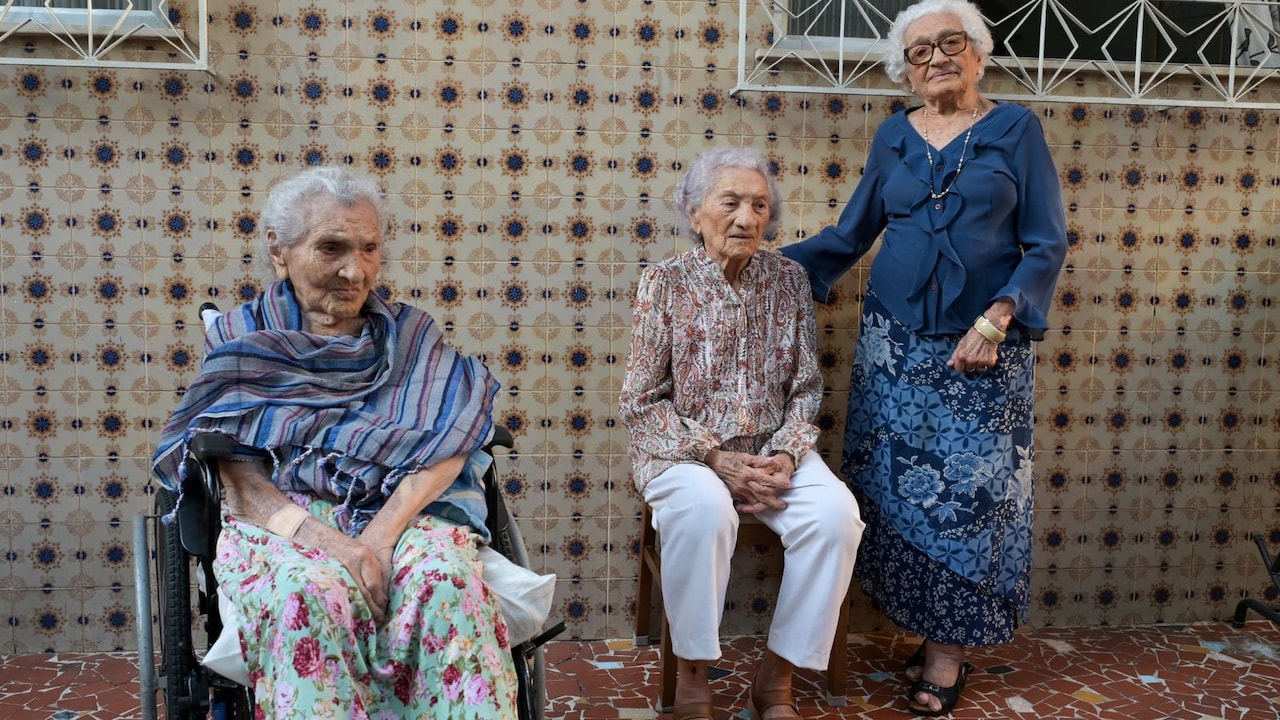
It is a common misconception that heat stroke is the primary killer during a heatwave. While emergency medical teams, such as Madrid's SUMMA 112, actively treat severe heatstroke cases on the street or in workplaces, the vast majority of the 212 victims died in hospital beds or at home from exacerbated chronic illnesses.
Data from Spain's Health Ministry shows that mortality risk increases by 9.1% to 10.7% for every single degree Celsius above local health-risk thresholds. The burden falls disproportionately on specific groups.
Older adults over 75 face the highest risk because the body's ability to sense thirst and regulate temperature declines naturally with age. Individuals taking specific medications, like diuretics for blood pressure, can dehydrate at an accelerated pace. Chronic conditions like diabetes, kidney disease, and respiratory illnesses leave very little reserve capacity when the body goes into overdrive to stay cool.
Geographical location also dictates risk. During this heatwave, Catalonia suffered the heaviest blow, accounting for 43 of the deaths. Northern communities, unaccustomed to installing heavy-duty air conditioning or managing 40°C-plus days, found themselves completely unprepared for the sudden surge.
Immediate Steps to Protect Yourself
Faced with extreme heat, relying on instinct isn't enough. You need to adopt a precise, proactive approach to thermal management.
First, track your hydration through biological markers rather than thirst. If your urine is dark yellow, you are already dehydrated. Drink water consistently throughout the day, and incorporate electrolytes if you are sweating heavily. Avoid alcohol and heavy caffeine, which act as diuretics and accelerate fluid loss.
Second, modify your living space. Keep windows closed and blinds pulled down during the day to block solar radiation. Open them only at night if the outside air drops below the indoor temperature. If you don't have air conditioning, spend at least two to three hours of the day in a cooled public space like a library or shopping center. This brief window allows your core temperature to drop and resets your body's stress response.
Finally, look out for early signs of heat exhaustion before they progress to life-threatening heat stroke. Dizziness, nausea, heavy sweating, and cold, clammy skin are warning signals. If you or someone else experiences confusion, a rapid pulse, or loses consciousness, cool the body immediately with wet towels or ice packs and call emergency services. This is a medical emergency, not something you can simply sleep off.