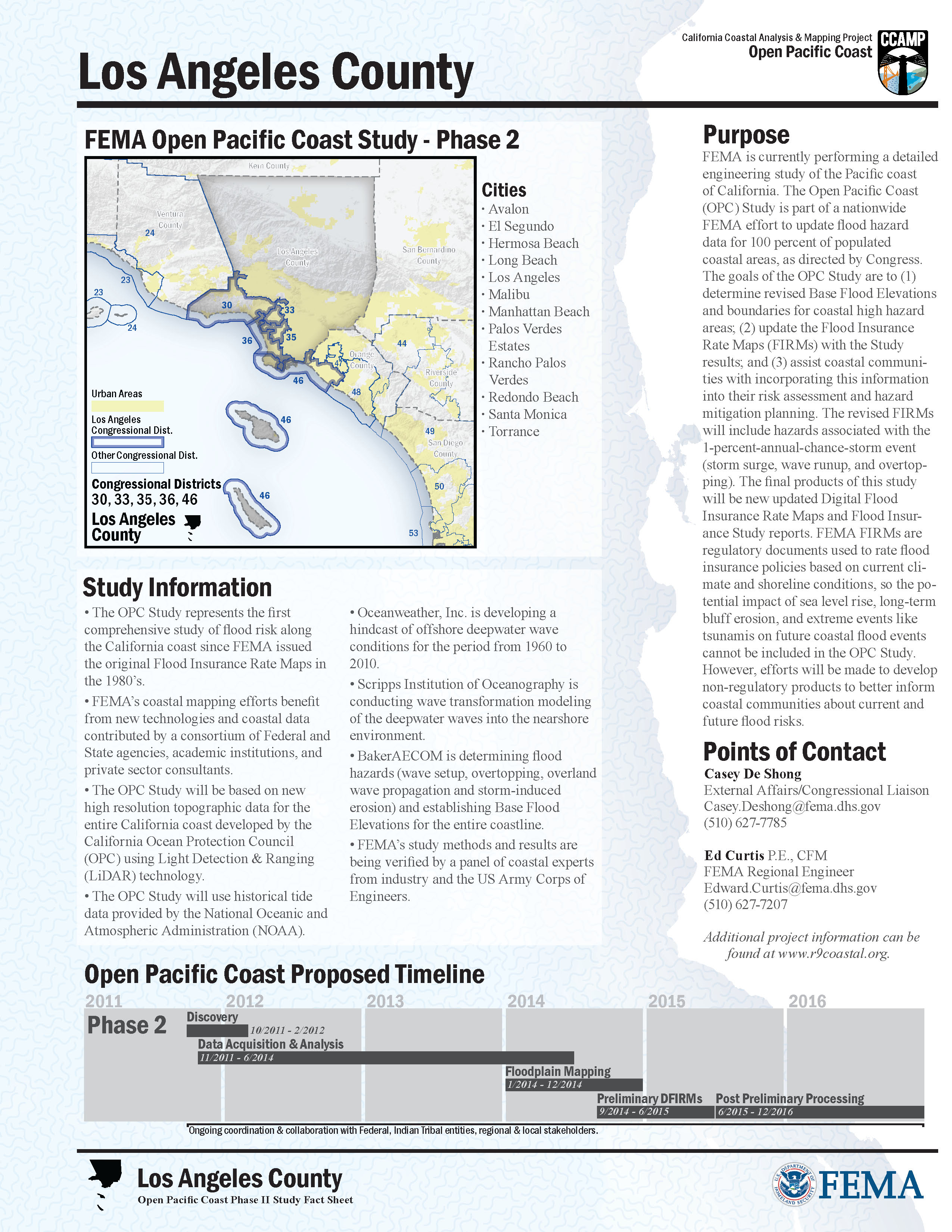
Evelyn Carter smoothed her wrinkled palms over the edges of a county map. The paper was worn, creased along the folds where her thumbs had traced the borders thousands of times. To the untrained eye, the lines looked like an abstract pattern. A spiderweb of ink. To Evelyn, those lines represented the boundary between a voice that is heard and a voice that is ignored.
She remembered the summer of sixty-five. The heat was stifling, the kind that settled in the chest and made every breath feel heavy. But the air was electric with anticipation. Evelyn, barely twenty-one at the time, had stood in line outside a local courthouse, holding her grandfather's hand. They waited for hours under the harsh, unrelenting sun. When she finally stepped inside and cast her ballot, it was not merely an action. It was a reclamation of humanity.
Decades passed. The world changed, but the struggle for representation remained a quiet, persistent undercurrent in the lives of her neighbors. Then, a ruling in the summer of 2013 shifted everything. The Supreme Court gutted the preclearance requirements of the Voting Rights Act.
The shield was gone.
Section 5 had required certain states with a history of discrimination to seek federal approval before changing their voting laws. This protection stopped discriminatory changes before they could take effect. When it was struck down, the mapmakers in the South no longer needed to ask for permission. They picked up their digital pens and began to redraw the future of their communities.
To understand what happened next, you must understand how a line can silence a neighborhood.
Imagine a large, vibrant community garden. The garden is divided into sections, each producing different types of flowers. The yellow marigolds want to elect a representative who will ensure the garden receives adequate water and sunlight. If the garden is left as a single, unified plot, the marigolds have the majority. They can elect their candidate of choice.
But what if a group of gardeners who prefer the red roses decides to change the borders? They draw a new fence through the middle of the marigold patch. They take half of the marigolds and bundle them with a large, distant neighborhood of blue irises. They take the other half and place them with the green ferns.
Suddenly, the marigolds are no longer the majority anywhere. Their votes are drowned out by the surrounding patches.
This is not a hypothetical scenario. It is a precise description of redistricting. The process is known as cracking and packing.
In the years following the weakening of the Voting Rights Act, several Southern states began to redraw their legislative and congressional districts. The stated goal was always administrative efficiency or population balance. The real outcome was the dilution of minority voting power.
Consider the state of Alabama. Following the 2020 census, the state legislature was tasked with drawing new congressional maps. The Black population in Alabama is significant, making up roughly twenty-seven percent of the state. Yet, the legislature maintained only one majority-Black district out of seven. The map split the Black belt, a region with a shared history and common economic interests, into different districts.
The consequences were not felt in the abstract. They were felt in the water that came out of the kitchen faucet. They were felt in the crumbling asphalt of local roads. They were felt in the lack of a nearby hospital when an elderly resident needed emergency care.
When you dilute a community's voting power, you do not just take away their ballot. You take away their schools, their infrastructure, and their dignity.
Evelyn watched these developments unfold from her porch in the heart of the district. She watched as her neighborhood was split into three different pieces. Her son, who lived just two streets over, was now in a different voting district. They no longer shared the same representative. They could no longer organize to support the same local candidate.
The legal battles that followed were long and exhausting. Civil rights groups filed lawsuits, arguing that the maps violated Section 2 of the Voting Rights Act, which prohibits voting practices that discriminate on the basis of race. The cases climbed through the courts, culminating in a surprising decision from the Supreme Court in the summer of 2023. The justices ruled that Alabama had likely violated Section 2 and ordered them to draw a new map.
A victory. Or so it seemed.
The state legislature responded by proposing a map that failed to create a second majority-Black district, offering a minimal increase in Black voting-age population instead. They tested the boundaries of the court's order. They pushed the limits of the law. The battle continued.
Evelyn sat on her porch as the autumn air turned crisp. She looked out over the street she had called home for nearly sixty years. The roots of her family were deep in this soil.
The mechanics of redistricting are complex, wrapped in legal jargon and statistical models. Mapmakers use sophisticated software to analyze decades of voting data. They know which precinct voted for which candidate with ninety-nine percent accuracy. They know the age, the race, and the income of every household on the block.
They use this information to create districts that are safe for the incumbents. They use data to choose their voters, rather than allowing the voters to choose their representatives.
This is the hidden cost of a weakened Voting Rights Act. It allows the machinery of government to operate in the dark. It creates a system where the will of the majority can be silenced by a few individuals drawing lines behind closed doors.
The law can be amended. The courts can intervene. But the true power always rests with the people who stand in the sun.
Evelyn walked back inside and set the worn map on the kitchen table. She reached into her drawer and pulled out a pen. She did not draw new lines. She did not make a complex calculation.
Instead, she wrote down the names of three young people in her neighborhood who would be voting for the first time in the next election. She knew that maps could be redrawn. She knew that laws could be weakened. But she also knew that the human desire for representation is unyielding.
The pencil mark she made on the paper was small. It was a single point of light in a dark room.
The lines on the map are not the end of the story. They are only the beginning of the struggle.