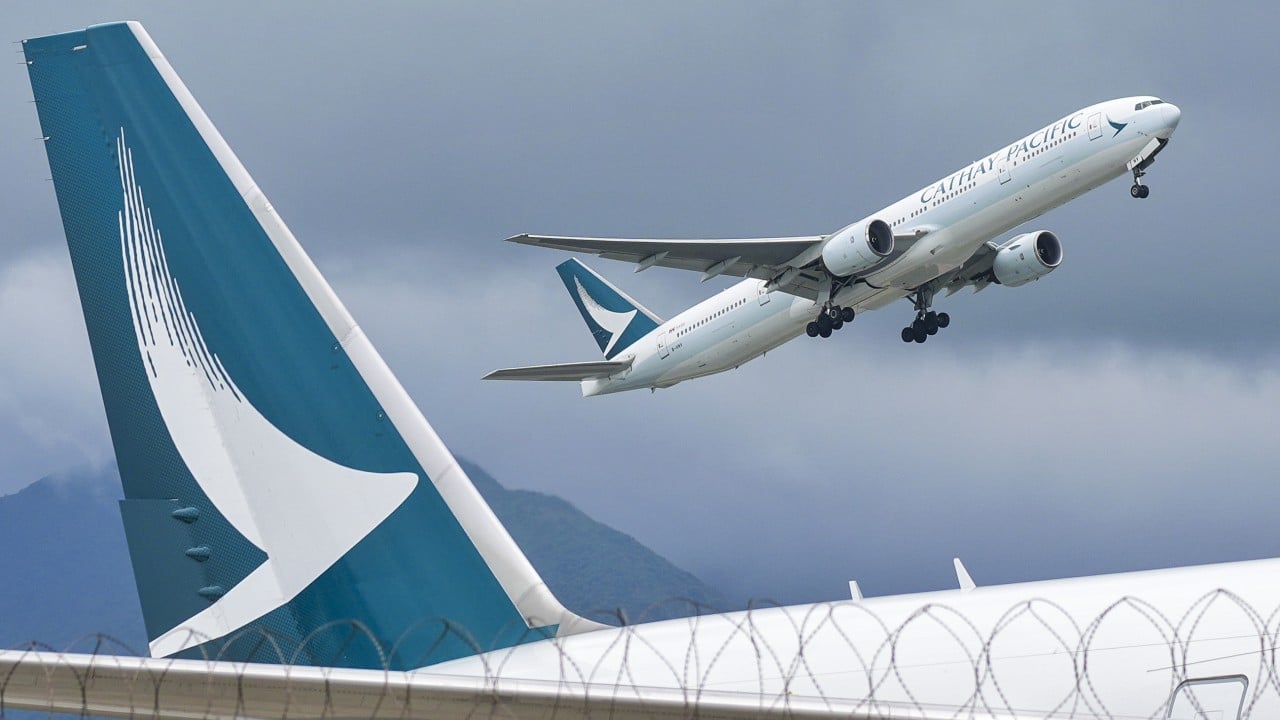
The plane ticket to Denpasar costs more than most people in Abidjan earn in a year.
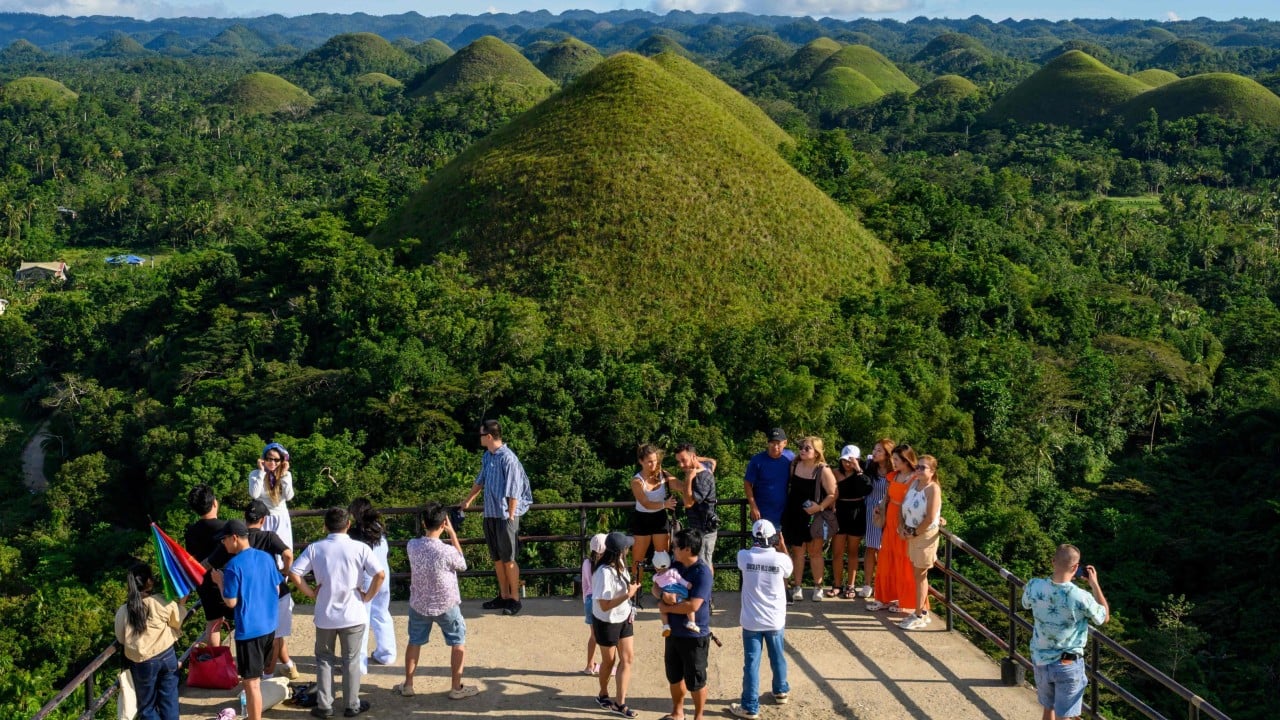
It is a strange irony. A traveler sits in a cramped middle seat for twenty-four hours, crossing oceans and continents to find a specific shade of turquoise and a specific curve of a breaking wave. They arrive in Bali, step onto the sand, and look for the "authentic" experience they’ve seen in high-definition digital brochures. They want the rush of the Indian Ocean. They want the spiritual weight of the coast.
But they flew right over the Gulf of Guinea to get there.
Below them, tucked into the elbow of West Africa, the Côte d'Ivoire coastline stretches for five hundred kilometers. It is a ribbon of emerald forest meeting a relentless, churning Atlantic. Here, the water isn't the manicured blue of a resort swimming pool. It is a living, breathing creature—heavy with salt and history.
For decades, this water was seen only as a source of food or a dangerous boundary to be respected. But a few years ago, something shifted. The perspective changed. Instead of looking at the horizon as a limit, a new generation began to see it as a playground. And more importantly, as a path to a different kind of life.
The Myth of the Faraway
Consider a young man named Moussa. He is a composite of the faces you see lining the beaches of Assinie-Mafia, his skin dusted with fine white sand and his eyes narrowed against the glare of the midday sun.
Moussa grew up watching the wealthy elite from Abidjan arrive in their SUVs. They would bring jet skis that roared like angry hornets, tearing up the surface of the lagoon. To Moussa, the ocean was a place for work, for the heavy wooden pirogues that the fishermen paddled out into the swells at dawn. The idea of "leisure" on the water was something imported, something that required a motor and a lot of money.
Then he saw a surfboard.
It wasn't a sleek, carbon-fiber masterpiece from a boutique shop in California. It was a battered, yellowing relic left behind by a French expatriate. It had dings that had been patched with resin that didn't quite match, and the wax was dirty. But when Moussa saw a man standing on that board, gliding across the face of a wave that would have normally crashed harmlessly onto the shore, the world tilted.
The "Bali effect" suggests that paradise is always somewhere else. It tells us that for an experience to be valid, it must be expensive and distant. But as Moussa paddled out for the first time, his arms aching and his lungs burning from the salt spray, he realized the Atlantic didn't care about his bank account. The wave didn't ask for a passport.
The Physics of the Ivory Coast Break
To understand why surfing is finally taking root here, you have to understand the geography of the Ivorian coast. Most of the shoreline is what's known as a "beach break." Unlike the famous "point breaks" of Morocco or the reef breaks of the South Pacific, where the water hits a rock or coral formation and peels off in a predictable line, a beach break is chaotic. The sand on the bottom shifts with the tides.
One day, the waves are "closing out"—crashing all at once in a wall of white water that offers no ride. The next day, the sandbars align perfectly, creating "hollow" barrels that rival anything you'd find in the Mentawai Islands.
It is a difficult place to learn. The Atlantic here is powerful, driven by long-period swells that travel thousands of miles from the South Atlantic. It is "heavy" water. If you can surf in Côte d'Ivoire, you can surf anywhere.
The growth has been slow, almost imperceptible. In 2010, there were perhaps a dozen local surfers. Today, there are hundreds. Surf schools are popping up in San Pedro and Assinie. These aren't just businesses; they are community hubs. They are places where the rigid social hierarchies of the city dissolve. In the water, the son of a government minister and the son of a local fisherman are waiting for the same set. They are both equally vulnerable to the "wipeout."
The Invisible Stakes
There is a deeper tension at play here, one that goes beyond sports. It is about reclaiming the narrative of the African coastline.
For a long time, the global travel industry viewed West Africa through a very narrow lens: business travel, humanitarian work, or perhaps "roots" tourism. The idea of "surf tourism" was reserved for South Africa or maybe Senegal. Côte d'Ivoire was the "Cocoa Giant," a place of industry and agriculture.
But the surfers are changing the brand.
When a local kid stands up on a wave, they are performing an act of rebellion. They are rejecting the idea that their home is only a place of labor. They are claiming the right to joy. This is the human element that the "dry" news reports miss. They talk about the "potential for tourism revenue" and "infrastructure development." They use words like "economic diversification."
Those words are hollow.
The real story is the sound of a dozen teenagers cheering when one of their friends finally sticks a landing. The real story is the local craftsman who has learned to repair fiberglass because there is no one else to do it. The real story is the pride in saying, "You don't need to go to Bali. The best wave I ever saw was right here, behind the coconut trees."
The Economics of the Shoreline
Let's look at the numbers, but through the lens of the people they affect.
A high-end surf trip to Indonesia can cost upwards of $5,000 when you factor in flights, boat charters, and luxury "surf camps." That money leaves the traveler’s home country and lands in the pockets of international hotel chains and airline conglomerates.
In Côte d'Ivoire, the "infrastructure" is still raw. There are no five-star surf resorts with infinity pools overlooking the break. Instead, there are small, locally-owned guesthouses. There are "maquis"—the open-air restaurants—where you eat braised fish and acheke with your hands while your hair is still damp from the sea.
The "fortune" that tourists pay to go halfway around the world could sustain an entire village in Assinie for a season.
The challenge is that "comparable conditions" (as the skeptics call them) aren't just about the height of the wave. They are about the "vibe." Surfing culture is notoriously protective and sometimes elitist. There is a fear that if the "secret spots" of the Ivory Coast become too popular, they will lose the very thing that makes them special.
But talk to the locals, and they’ll tell you they aren't worried about "over-tourism" yet. They are worried about being ignored. They want the world to see that the water is warm, the people are welcoming, and the waves are world-class.
A Different Kind of Alchemy
The transformation of a coastline into a destination is a delicate process. It’s like the resin used to seal a board—if you mix it wrong, it never hardens; if you add too much catalyst, it cracks.
In places like Dagbego and Drewin, the surf is part of a larger ecological awakening. The surfers are often the first to notice the plastic washing up on the shore. They are the ones who see the erosion eating away at the beaches. Because they spend hours immersed in the environment, they become its most fierce protectors.
This is the "invisible stake." When we encourage local surfing, we aren't just creating a new hobby. We are creating a generation of coastal stewards. We are turning the ocean from a "resource to be exploited" into a "treasure to be guarded."
Moussa doesn't think about "stewardship" when he's out past the breakers. He thinks about the timing. He watches the horizon, looking for the slight darkening of the water that signals an incoming set.
He paddles. He feels the surge of energy beneath him—a pulse of power that started thousands of miles away near Antarctica and has finally reached this specific patch of sand in West Africa. He pops up. For six or seven seconds, he is suspended between the sky and the sea.
He isn't a "statistic" in a growing tourism market. He isn't a "local participant" in a development program.
He is a surfer.
The Mirror and the Wave
The truth is that we often travel because we are looking for a version of ourselves that we can't find at home. We think that by changing our coordinates, we can change our perspective.
But sometimes, the perspective shift doesn't require a long-haul flight. It requires looking at the familiar with new eyes.
The people who pay a fortune to go to Bali are often looking for the same thing that the kids in Assinie have already found: a moment of pure, unadulterated presence. They want to feel small in the face of the ocean's magnitude.
The Ivory Coast is no longer waiting for the world to discover its waves. The waves have always been there. The locals have already claimed them. The "slow path" that surfing is carving through the country isn't just about sports; it’s a heartbeat.
The next time you look at a map, don't just see the borders and the cities. Look at the blue. Look at the long, jagged line where the land meets the Atlantic.
Somewhere on that line, a battered board is being waxed. A young man or woman is looking at the horizon, waiting for the water to lift them up. They aren't looking for Bali. They are exactly where they need to be.
The salt dries on your skin. The sun sinks low, turning the Atlantic into a sheet of hammered gold. You realize that paradise isn't a destination you buy.
It’s a wave you choose to catch.
Would you like me to create a detailed travel itinerary for a surfing trip to the Côte d'Ivoire coast, including the best local spots and seasonal swell guides?