The empty soundstages scattered across the San Fernando Valley are not just a symptom of a temporary post-strike hangover. They represent a fundamental structural collapse of the local entertainment economy, transforming the Hollywood production crisis into an explosive battleground for the Los Angeles mayoral race. rank-and-file crew members, squeezed out by a devastating lack of local film shoots, are demanding radical government intervention before the upcoming primary election.
Incumbent Mayor Karen Bass is aggressively playing defense, pointing to a recent 10.7% bump in quarterly shoot days and minor municipal victories, such as slashing filming fees at the Griffith Observatory by 70% and opening up the Central Library. Her political challengers, however, see blood in the water. Progressive City Councilmember Nithya Raman accuses the city of treating Hollywood like an inconvenience rather than an asset, while reality-TV-villain-turned-populist-candidate Spencer Pratt is building momentum by suggesting that filming in Los Angeles should essentially be free.
Yet, the fierce political rhetoric filling local debate stages ignores a sobering reality. A city mayor cannot fix a global macroeconomic shift. While local politicians squabble over parking lot discounts and streamlined permitting, the actual forces driving cameras out of Southern California are deeply rooted in multi-billion-dollar corporate mergers, aggressive international tax incentives, and a domestic bidding war that Los Angeles is fundamentally losing.
The Illusion of the Local Fix
City Hall loves a ribbon-cutting ceremony. Mayor Bass recently celebrated the launch of the Low Impact Permit Pilot Program and a 20% discount for production vehicles at city-owned parking lots. These measures are designed to ease the day-to-day headaches of location managers who have spent decades battling the legendary bureaucracy of Los Angeles departments.
The initiatives look excellent on a campaign mailer, but they do nothing to alter the baseline budget of a major television series or feature film.
Consider a hypothetical studio production deciding where to shoot a new $100 million drama. The line producer does not choose a location based on cheap parking spaces or a faster permit turn-around at the Port of Los Angeles. They look at the bottom-line tax rebate.
When competing regions offer tens of millions of dollars in direct financial subsidies, local fee reductions become a rounding error. The current municipal strategy treats a systemic, multi-billion-dollar capital flight problem as if it were merely an issue of bad customer service at the local zoning office.
The Global Bidding War
Los Angeles is no longer competing against New York or Atlanta; it is competing against sovereign nations. The modern entertainment industry operates on a model of portable production, where capital flows directly to the jurisdiction offering the steepest discount.
| Jurisdiction | Maximum Production Incentive Rate |
|---|---|
| Australia | Up to 40% of production costs |
| Canada | Up to 36% (enhanced by favorable exchange rates) |
| United Kingdom | Up to 26% in structural tax relief |
| California | Capped at 25% (with strict caps on qualified expenses) |
The United Kingdom saw over $7 billion in production spending recently, driven by a highly reliable, uncapped subsidy system. Canada couples its 36% incentive with a weaker dollar, effectively stretching American studio budgets by an additional third.
Against these international giants, California’s Version 4.0 Film and TV Tax Credit Program is bringing a knife to a laser fight. The state program limits tax credits to $100 million in qualified expenses per project. For a massive blockbuster or a highly visual sci-fi series, that cap is reached almost instantly.
Recognizing this structural deficiency, Mayor Bass recently escalated her rhetoric, calling for a "no cap" state film tax credit and a federal financial incentive to protect the domestic industry. It is a bold, necessary position, but it highlights the exact limits of mayoral authority. A mayor cannot unilaterally alter the tax codes of Sacramento, let alone Washington D.C.
The Empty Soundstage Paradox
While local politicians argue over how to lure productions back to Southern California, a massive real estate boom has left the city with a bizarre structural surplus. Over the last few years, major independent studio expansions, including massive new campuses by Cinespace and East End Studios, have officially opened their doors in Los Angeles.
The city now boasts millions of square feet of state-of-the-art, soundproofed production space.
The facilities are beautiful, modern, and largely quiet.
Available L.A. Soundstages:   [====================================] 100%
Actual Production Booking:    [============] 33%
This overbuilding occurred because developers assumed the streaming-era content boom would last forever. Instead, the industry hit a wall. Media conglomerates are undergoing massive consolidation, exemplified by the highly contested corporate maneuvering surrounding Paramount and Warner Bros. Discovery.
As these mega-studios merge to appease Wall Street, their primary objective is cutting costs, not greenlighting new projects. Mayor Bass has publicly opposed these media mergers unless they explicitly protect local union jobs. It is an admirable stance that resonates deeply with the local IATSE and Teamsters chapters, but City Hall holds zero antitrust enforcement power over Wall Street deals.
The Populist Trap
The sheer desperation of the local workforce has created a fertile environment for political theater. Thousands of prop makers, makeup artists, grips, and camera operators have gone months without a steady paycheck. They are losing their health insurance, burning through their savings, and looking for someone to blame.
This anger is driving the unexpected political rise of Spencer Pratt, who has transformed his personal grievance over a slow wildfire rebuild in the Pacific Palisades into a broader anti-establishment mayoral run. Pratt’s campaign has successfully weaponized the entertainment crisis on social media, promising to dismantle local regulations and make filming virtually free to outcompete other states.
It is a deeply compelling narrative for a desperate workforce, but it relies on a complete misunderstanding of municipal finance.
Eliminating city permit fees entirely would starve local agencies of the revenue required to manage public spaces during disruptive shoots. More importantly, it ignores the reality that even a zero-fee city permit cannot offset the massive structural savings provided by international tax rebates.
The Real Future of Production in Los Angeles
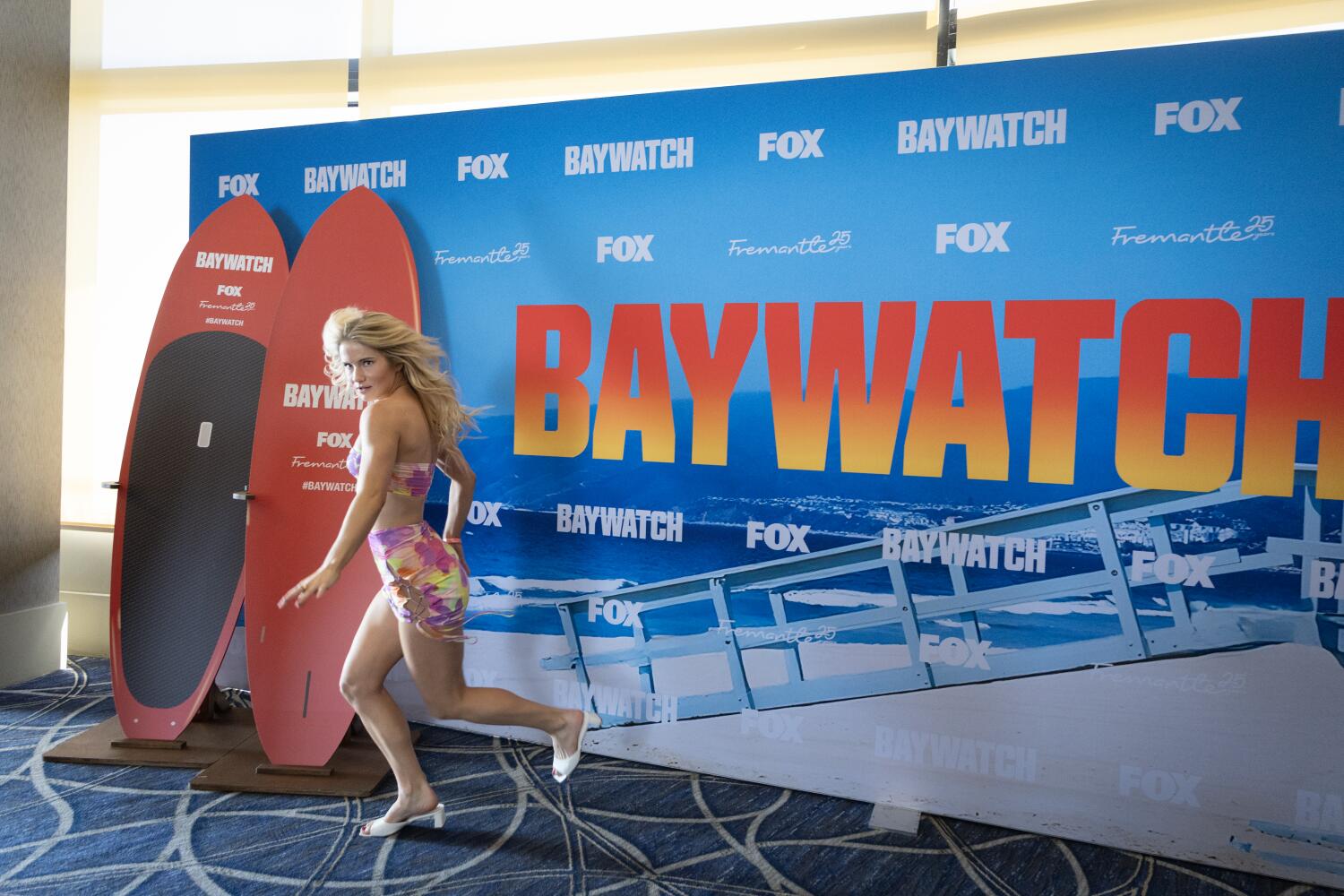
If Los Angeles wants to retain its identity as the entertainment capital of the world, its leadership must stop focusing on superficial fixes and acknowledge the shifting ground beneath their feet. The city will likely never again see the sheer volume of middle-tier broadcast television dramas and studio comedies that once formed the baseline of the local economy. Shows like the Baywatch reboot or The Rookie still shoot locally, but they are increasingly becoming the exception rather than the rule.
The future of Los Angeles production lies not in competing for low-cost, mobile shoots, but in anchoring the high-tech infrastructure that cannot be easily packed into a shipping container. This means leaning heavily into advanced virtual production, proprietary visual effects technologies, and complex post-production ecosystems that require highly specialized, local expertise.
Focusing exclusively on the number of local "shoot days" is a legacy metric for a changing industry. The true battle for Hollywood's future will be won by creating an ecosystem where global productions are forced to do their highest-value technical work in Southern California, regardless of where they actually pitch their tents and point their cameras.
Political candidates can continue to promise a magical return to the golden era of local filming to secure union votes before the primary. But until they acknowledge that the crisis is being driven by global tax policy and corporate consolidation rather than local parking restrictions, those promises will remain entirely hollow.