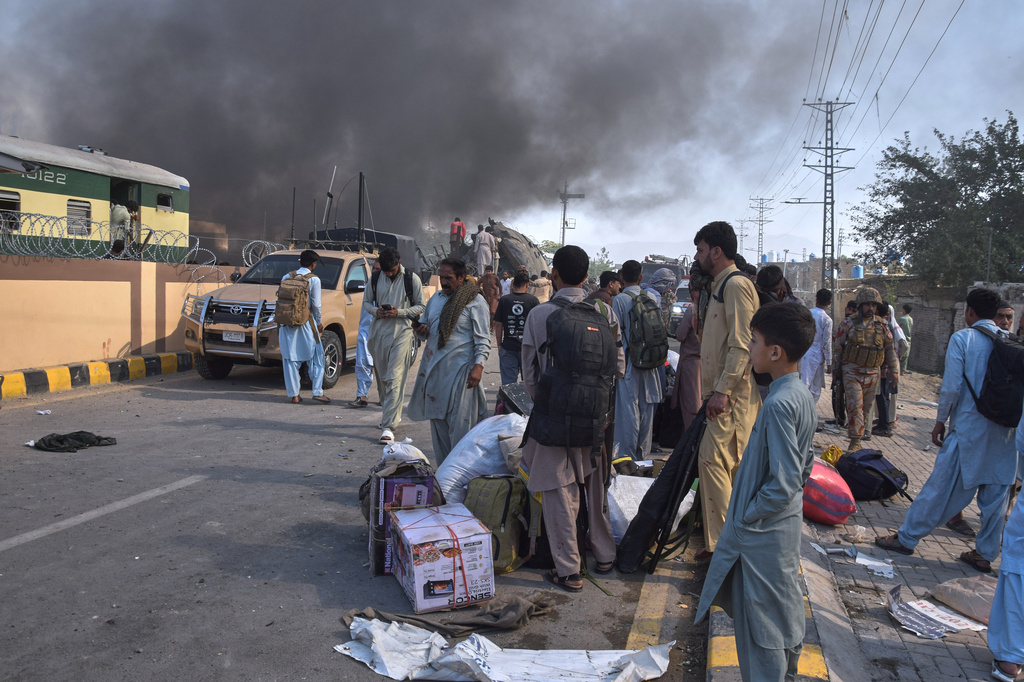
Bomb attacks near train stations and on public transit networks are a recurring nightmare for global security officials. When an explosive device detonates near a train line, the immediate cost is measured in human lives. But the secondary damage ripples across logistics networks, commuter confidence, and regional stability. It happens too often.
Most news coverage treats these events as isolated tragedies or unpredictable acts of terror. That view is wrong. Rail vulnerability is a systemic engineering and intelligence problem. The open nature of public transport makes it a soft target, but soft does not have to mean unprotected.
To build resilient infrastructure, we have to look past the breaking news banners. We need to analyze why these vulnerabilities exist and what concrete steps transport authorities must take to prevent the next strike.
The Unique Vulnerability of Rail Infrastructure
A standard airport uses a single point of failure model for security. You funnel everyone through one heavily fortified checkpoint. It works for aviation because people accept showing up two hours before a flight.
Rail networks cannot operate that way. They rely on speed, high volume, and open access. If you force every commuter to go through a full baggage scan and body scanner at 8:00 AM on a Monday, the entire economic engine of a city grinds to a halt.
This open architecture creates massive security blind spots.
- Perimeter vastness: Thousands of miles of track run through remote areas, urban backyards, and unmonitored overpasses.
- High crowd density: Platform choke points gather hundreds of people in enclosed spaces, maximizing the potential lethality of a small explosive.
- Predictable schedules: Train timetables are public knowledge. Attackers know exactly when a platform will be packed and when a high-value cargo train will pass a specific junction.
Because you cannot fence off an entire national rail network, security must shift from physical barriers to predictive intelligence and rapid response.
Moving Beyond Visible Security Theater
After a major incident, the immediate political reaction is always the same. Governments deploy heavily armed police officers to major stations. They call it a show of force.
It is mostly theater.
Visible patrols might deter an amateur, but they rarely stop a determined attack. They just push the target a few hundred yards down the track, outside the station entrance or onto an unmonitored platform. True security relies on layers that the average passenger never notices.
Smart CCTV and Behavioral Analytics
Old-school surveillance requires a human being to watch dozens of monitors. They miss things. Fatigue sets in after just twenty minutes of staring at screens.
Modern transit hubs require automated anomaly detection. These systems do not look for faces; they look for behaviors. A bag left stationary for more than ninety seconds triggers an alert. A person pacing near a restricted track access point flags local security.
Decentralized Screening Technology
While airport-style checkpoints fail in a train station, passive screening works. Trash cans built with blast-resistant materials can direct explosive energy upward rather than outward, drastically cutting down on shrapnel injuries.
Advanced facilities use standoff explosive detection sensors. These tools use laser spectroscopy to scan air samples or analyze surfaces for trace amounts of explosive compounds as people walk through wide entryways. It happens in real time. No lines. No delays.
The Cargo and Supply Chain Threat
Most public attention focuses on passenger trains because the loss of life is immediate and tragic. However, the economic fallout of an attack on freight rail can be paralyzing.
Railways transport hazardous materials, chemicals, and fuel. A bomb exploding near a freight line carrying chlorine gas or crude oil transforms a localized blast into a massive ecological and public health disaster.
The security protocols for cargo lines lag behind passenger lines. Rail cars often sit in unsecured switching yards overnight. Securing these yards requires automated drone patrols and acoustic sensors that can detect the specific sound of cutting fences or tampering with track switches long before a human guard could walk the perimeter.
Hardening the Physical Infrastructure
You cannot stop every bomb from going off. You can, however, design infrastructure that survives the blast.
Civil engineering must adapt to modern threat levels. This means using reinforced concrete for station pillars to prevent structural collapse after a detonation. It means installing shatterproof laminate on all station glass so windows do not turn into deadly projectiles.
On the trains themselves, automatic fire suppression systems and isolated electrical grids prevent a localized explosion from knocking out power and communication across the entire transit line. If a train stays lit and moving after an incident, evacuation becomes significantly easier.
What Transport Authorities Must Do Right Now
Fixing these gaps requires immediate, practical shifts in how transit budgets are allocated.
First, mandate immediate data-sharing protocols between regional law enforcement and transit operators. Intelligence failures happen because the agency tracking a threat group does not talk to the agency managing the train tracks.
Second, run regular, unannounced drills that simulate track detonations. Most staff know how to handle a medical emergency or a power outage. Very few are trained to manage a mass-casualty event in a smoke-filled subway tunnel.
Third, upgrade the lowest-tech asset available: public awareness. The old slogan "see something, say something" is stale. Give passengers a friction-free way to report anomalies. Text-based tip lines that route directly to station dispatchers allow commuters to report unattended luggage or suspicious behavior without drawing attention to themselves.
Security is not a static goal. It is a continuous process of hardening targets, analyzing failures, and adapting to new tactics. Waiting for the next incident report to update security protocols is a recipe for failure.