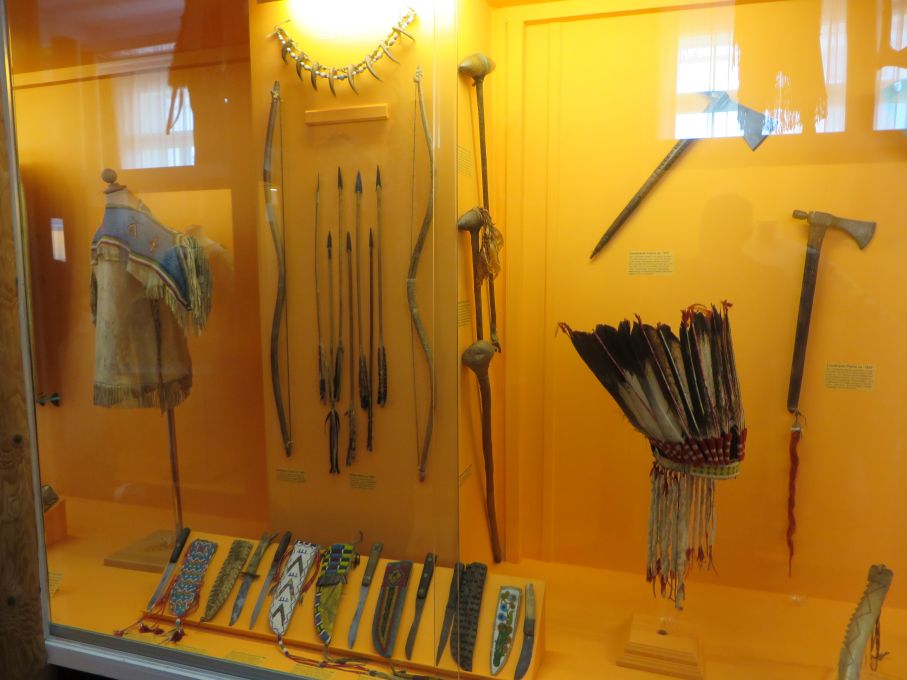
Private collectors are still buying and selling sacred Indigenous artifacts behind closed doors. It happens regularly in European art capitals. Recently, an Indigenous advocacy group made headlines by publicly calling on a Swiss collector to halt the private sale of ancestral objects. This isn't an isolated dispute. It's part of a massive, systemic tug-of-war over cultural heritage.
When sacred items end up in private hands, they disappear from public view and tribal access. You might think international laws protect these items. They don't. The legal loopholes favor buyers over the communities that created these objects. This article breaks down why the private market for Indigenous artifacts remains a major ethical crisis and what needs to change right now.
The Problem With the Private Antiquities Market
The private market is a black box. Unlike public auctions, which at least draw public scrutiny, private sales happen in secret. A collector deals directly with a buyer, often brokered by an art dealer in Zurich, Geneva, or Paris. No public catalog exists. No tribal representatives can inspect the items to check if they were stolen or illegally exported.
Advocacy groups are fighting an uphill battle. When an item goes to public auction, tribes can file injunctions or launch public pressure campaigns. Once a deal goes private, that leverage vanishes. The objects simply slip into a living room or a private vault. They become high-end home decor or speculative investments.
This commerce inflicts real harm. For many Indigenous communities, these objects aren't art. They are living entities, sacred regalia, or vital ancestral records. Selling them is equivalent to selling human remains or desecrating a church. Yet, European legal frameworks consistently treat them like used furniture or old paintings.
Why European Laws Protect Collectors Over Tribes
International heritage law is incredibly weak when it comes to private property. The main international treaty is the 1970 UNESCO Convention. It addresses the illicit import, export, and transfer of ownership of cultural property. But it has a massive flaw. It isn't retroactive.
If an artifact was looted or taken from an Indigenous community before 1970, the convention doesn't automatically apply. Most colonial-era theft happened well before then. European countries also interpret these laws through a strict domestic property lens.
In Switzerland and France, if a buyer purchases an item in "good faith," they are often considered the legal owner. It doesn't matter if the item was stolen a century ago. The burden of proof falls entirely on the Indigenous group to prove the item was taken illegally under the laws of that specific time. That's a nearly impossible standard to meet. Colonial authorities rarely documented their own theft.
The Myth of Safe Keeping in Private Collections
Collectors often argue they are preserving history. They claim that without wealthy patrons, these artifacts would be lost, damaged, or destroyed. This argument is patronizing and outdated.
True preservation requires context and community connection. When a sacred mask or ceremonial pipe sits in a temperature-controlled glass case in Switzerland, it's dead. It's stripped of its language, its purpose, and its people. True preservation means allowing a culture to use its own objects for their intended spiritual or communal purposes.
Many tribal nations have built their own state-of-the-art museums and preservation facilities. They have the technology and the expertise. What they lack is access to their own stolen heritage, which remains locked away in European villas.
How to Check If a Sale Is Ethical
If you collect art or work in the heritage space, you must look past basic legal compliance. Legal doesn't mean ethical. Here is how to evaluate the status of an Indigenous object.
First, look at the provenance. A clean provenance doesn't just mean a list of previous European owners. It must trace back to the exact community of origin and include documented consent for the object's removal. If the history starts mysteriously with a "private French collection in the 1920s," that's a massive red flag.
Second, identify the type of object. Is it a utilitarian item like a basket or a pot made for trade? Or is it a ceremonial item, a grave good, or sacred regalia? Sacred and ceremonial items should never be bought or sold under any circumstances.
Third, consult directly with the tribal nation involved. Don't rely on the word of an auction house or a dealer. Dealers want to make a profit. Tribes want their heritage back. Go straight to the source.
Concrete Steps to Halt Private Exploitation
Stopping the illicit trade requires turning public pressure into policy change. You can take direct action to support Indigenous sovereignty over cultural heritage.
Support legislation that closes the 1970 loophole. Pressure lawmakers to adopt stricter domestic laws that mirror the Native American Graves Protection and Repatriation Act (NAGPRA) on an international scale. NAGPRA forces institutions receiving federal funds in the United States to return sacred objects and human remains. Europe needs an equivalent framework for private dealers.
Put pressure on art market hubs. Switzerland and France remain epicenters for these sales because their laws protect buyers. Target these jurisdictions through public awareness campaigns and targeted legal challenges.
Donate to or boost the work of advocacy groups that monitor international auctions and private sales. These groups operate on shoestring budgets but manage to stop multi-million dollar sales through quick legal interventions and media pressure. Keep the spotlight on the buyers. Anonymity is the collector's greatest asset, so take it away.