The screen flickers in a darkened bedroom at 9:58 AM. Sarah holds her breath. Her thumb hovers over the refresh button, a modern-day ritual of anxiety that millions perform every Friday morning. She isn’t just buying a ticket; she is chasing a memory, a specific frequency of sound that makes the floorboards of a stadium vibrate against her ribcage. But as the clock strikes ten, the blue spinning wheel of death appears. By 10:02 AM, the "nosebleed" seats—the ones where the artist looks like a glowing pebble—are priced at four times her monthly car payment.
This isn't just bad luck. It is the result of a vertical monolith that has spent decades quietly rewiring how we experience live music.
For years, the Department of Justice (DOJ) watched this screen alongside Sarah. They watched as Live Nation and its subsidiary, Ticketmaster, grew into a giant that didn't just sell the tickets, but owned the venues, managed the artists, and controlled the promotion. It was a closed loop. If you wanted to play the big rooms, you used their software. If you wanted to see the big stars, you paid their fees.
The Architect of the Arena
To understand why your ticket to a summer shed tour now costs as much as a used Vespa, you have to look at the 2010 merger. When Live Nation and Ticketmaster became one, the government allowed it under a set of rules called a consent decree. The idea was simple: we will let you be this big, provided you don't bully the neighborhood.
But power is a heavy thing to carry lightly.
The DOJ eventually alleged that the "neighborhood" was being systematically dismantled. They argued that Live Nation used its sprawling influence to pressure venues. If a stadium thought about using a different ticketing service—perhaps one with lower fees or better tech—the threat was unspoken but clear: maybe your favorite artist won't stop here on their next world tour.
Imagine a town where one company owns the grocery store, the farm, the trucking fleet, and the only road leading into the city. If you don't like the price of milk, you can walk, but there are no other roads. That is the "moat" that regulators claim Live Nation built around the concert industry.
The Breaking Point
The tension didn't snap because of a legal brief. It snapped because of a cultural earthquake. When the Eras Tour went on sale, the system didn't just lag; it disintegrated. Millions of fans found themselves locked out, watching as "dynamic pricing" algorithms shifted costs in real-time, turning a $150 seat into a $1,500 luxury item before they could even enter their credit card digits.
The fallout was visceral. It turned music fans into amateur antitrust lawyers.
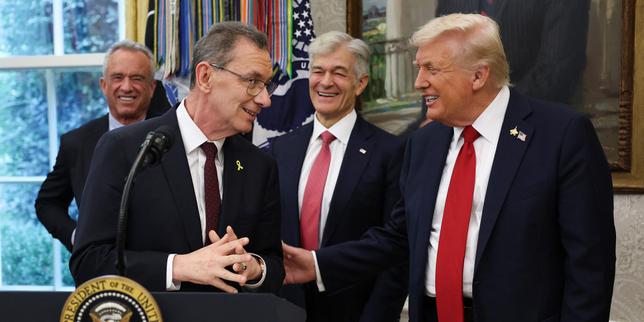
When the Department of Justice filed its massive lawsuit to break up the company, it wasn't just citing technical violations of the 2010 agreement. It was responding to a fundamental shift in the American psyche. We had reached a point where live music—once the democratic heart of youth culture—felt like a gated community.
The core of the legal argument is "tying." This is the practice of forcing a customer to buy one product as a condition of buying another. In this case, the DOJ suggests Live Nation tied its promotion services (the people who organize the tour) to its ticketing services (the people who take your money).
A New Set of Rules
The recent developments and the potential for a settlement represent a frantic attempt to find a middle ground before a judge swings a hammer that could shatter the company into pieces. The DOJ wants a world where a venue owner in Ohio or a theater manager in Denver can choose a ticketing platform based on merit, not fear of losing the next big pop star's tour dates.
Consider the ripple effect. If competition returns to the ticketing space, fees might finally stop their upward climb. More importantly, the data—the precious information about who you are and what you like—wouldn't be held in a single, fortress-like vault.
But even a settlement isn't a magic wand.
The infrastructure of live music is expensive. Security costs have skyrocketed. Insurance for massive festivals is at an all-time high. Touring artists, who no longer make money from streaming or record sales, rely on the "road" for 90% of their income. They are caught in the same machinery as Sarah. They want to play for their fans, but they also have to pay a crew of forty people and fuel a fleet of buses.
The Human Cost of the "Convenience Fee"
We often talk about these settlements in terms of stock prices and market share. Those numbers matter to Wall Street, but they mean nothing to the person standing in the rain outside a venue.
The real stakes are the "invisible" fans. The kids who can't afford the $400 entry fee and stay home. The local bands who can't get a slot at the mid-sized venue because that venue is locked into a corporate contract that prioritizes national touring acts. When the gatekeepers get too powerful, the garden stops growing. It just stays the same, manicured and expensive.
The DOJ's intervention is an attempt to replant the garden.
They are looking for structural changes that would prevent Live Nation from retaliating against venues that stray from the fold. They want to peel back the layers of "service fees," "facility charges," and "processing costs" that often add 30% or more to the face value of a ticket. They want transparency, which is the one thing a monopoly hates most.
The Sound of Change
The negotiation between the government and the entertainment giant is a high-stakes game of chicken. Live Nation argues that it has actually helped the industry by professionalizing it, bringing massive capital to crumbling stadiums and creating a global touring network that didn't exist twenty years ago. They see themselves as the architects of a golden age of live entertainment.
The government sees a toll booth.
The outcome will dictate whether Sarah's thumb continues to hover in fear every Friday morning. It will determine if the next generation of fans gets to experience the transformative power of a live show without having to take out a personal loan.
The courtroom might be quiet, filled with the rustle of papers and the low hum of legal jargon, but the echoes of that conversation will be felt in every stadium, club, and theater across the country. We are witnessing a battle for the soul of the "live" experience. It is a question of whether music is a product to be maximized by an algorithm or a shared human right that should be accessible to anyone with a passion for the beat.
The house lights are still down. The crowd is waiting. But for the first time in a decade, the person running the soundboard might actually have to listen to the audience.
One day, the screen will flicker on at 10:00 AM, and the price you see will be the price you pay. That is the hope, anyway. A simple, fair exchange for two hours of magic in the dark.
Think about the last time you felt the bass hit your chest. Now think about what it’s worth to keep that feeling within reach.