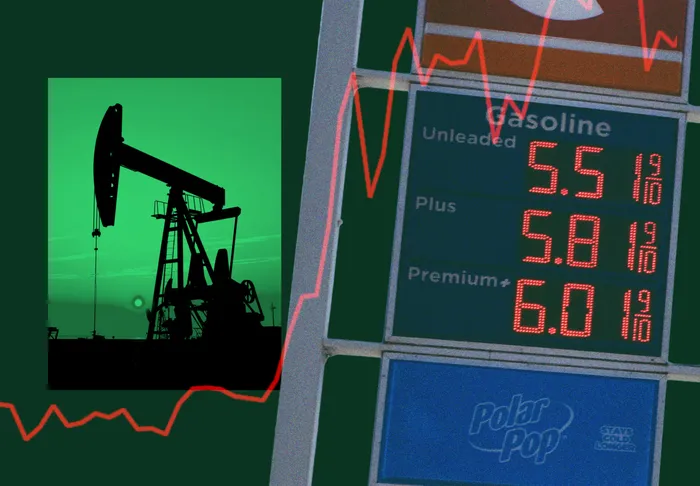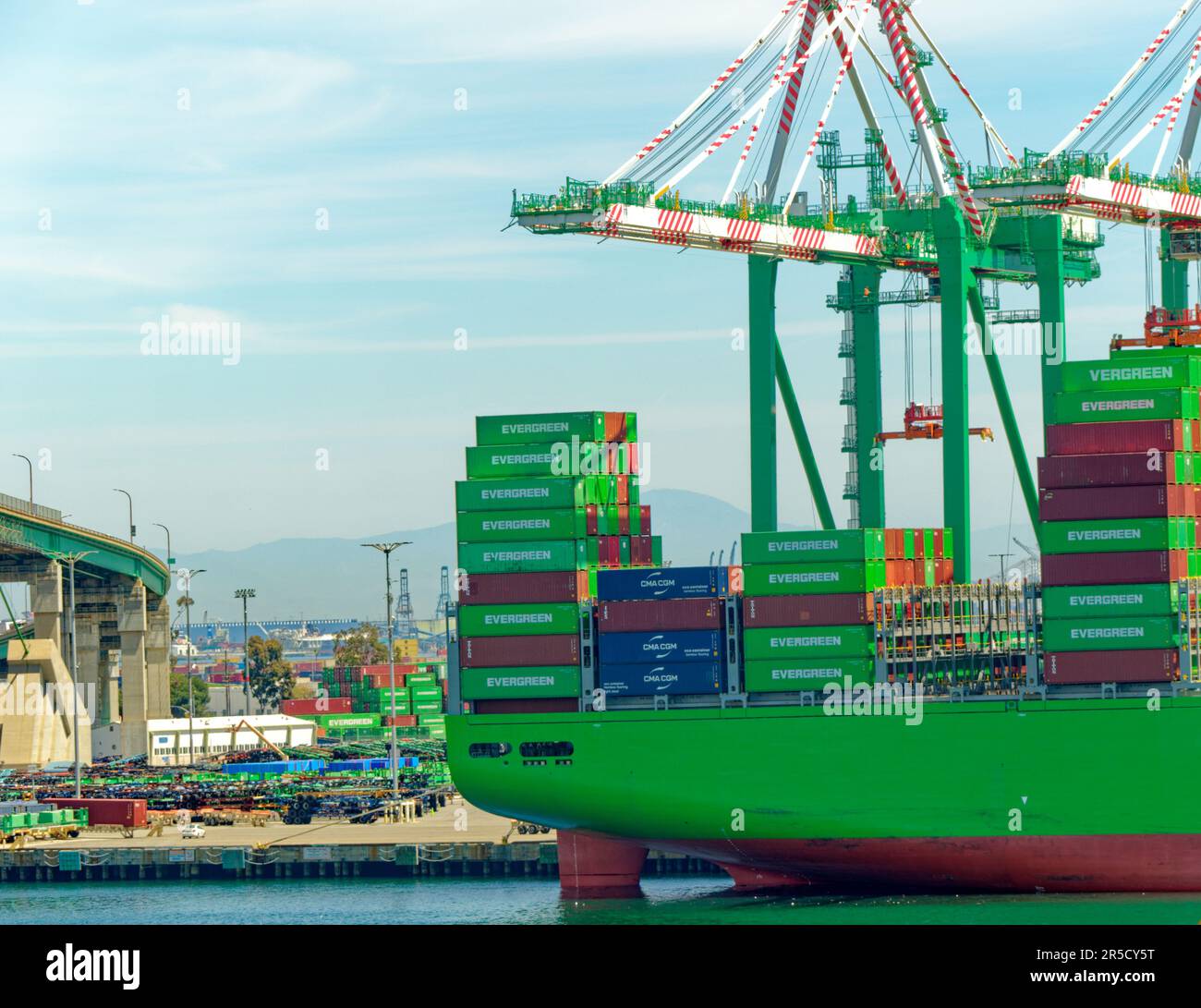
The Port of Los Angeles just processed 770,337 Twenty-Foot Equivalent Units (TEUs) in April, a 12% jump from the same time last year. If you've been listening to the doomers talking about a "freight recession" or the crushing weight of high diesel costs, these numbers might feel like a glitch. They aren't. Despite a messy global trade map and fuel prices that make every trucking company wince, the busiest container port in North America is finding its rhythm again. It's not just a lucky month. We're seeing a fundamental shift in how retailers prepare for the second half of the year.
The increase shows that the "just-in-time" delivery model hasn't died; it's just gotten more aggressive. Companies are moving goods early to avoid the potential chaos of labor negotiations on the East Coast and the ongoing unpredictability in the Suez Canal. For the Port of Los Angeles, this April surge represents the eighth consecutive month of year-over-year growth. That’s a streak you can’t ignore.
Why shippers are flocking back to the West Coast
For a while, everyone wanted to move their cargo to Savannah or New York/New Jersey. The West Coast felt risky because of labor disputes and the massive backlogs we saw in 2021. But that trend is reversing. The East Coast is now facing its own set of headaches. Between the tragic bridge collapse in Baltimore and the looming ILA contract expiration in September, the "safe" play has shifted back to San Pedro Bay.
Logistics managers are smarter now. They aren't waiting for the crisis to hit. By pushing volume through Los Angeles in April, they're building a cushion. Gene Seroka, the Port’s Executive Director, has been vocal about the port's capacity to handle even more. Currently, the port is operating at about 70% to 80% of its peak capacity. This means there’s breathing room. We aren't seeing the 100-ship queues of the past, which is exactly why the cargo is returning. Efficiency is the best marketing tool the West Coast has right now.
The numbers tell a specific story. Imports hit 400,762 TEUs, up 7% from last year. Exports were the real surprise, jumping 24% to 133,243 TEUs. This marks 11 straight months of export growth. When we export more, the whole ecosystem works better. Empty containers—which often clog up terminals—fell by 14% because more of those boxes were actually filled with American goods.
The fuel cost myth and trade disruption reality
Every time gas prices tick up, pundits claim consumer spending will crater and shipping will stop. It’s a tired narrative. Yes, diesel is expensive. Yes, the Red Sea conflict has forced ships to take the long way around Africa, adding weeks to transit times and burning millions in extra fuel. But here’s the reality: demand is still there.
Consumer spending in the U.S. hasn't buckled. While folks are pickier about what they buy, they're still buying. Retailers are stocking up on electronics, spring fashion, and home improvement goods. The cost of shipping a container is a fraction of the retail value of the goods inside. An extra $500 in fuel surcharges on a box filled with $100,000 worth of laptops is a rounding error. It doesn't stop the trade; it just changes the math for the carrier.
The Red Sea disruptions actually help the Port of Los Angeles in a weird way. If you're a shipper in Southeast Asia looking to get goods to the U.S. East Coast, the Cape of Good Hope route is exhausting and slow. Suddenly, shipping to LA and putting those goods on a train to Chicago or New York looks a lot more attractive. It's faster. It's more reliable. The "land bridge" is back in style.
Breaking down the April data
- Total Volume: 770,337 TEUs (Up 12%)
- Loaded Imports: 400,762 TEUs (Up 7%)
- Loaded Exports: 133,243 TEUs (Up 24%)
- Empty Containers: 236,332 TEUs (Down 14%)
These aren't just dry statistics. They're a pulse check on the American economy. When exports rise this consistently, it means our manufacturing and agricultural sectors are finding buyers abroad despite a strong dollar. That's a sign of health that often gets buried under headlines about inflation.
The labor factor is the elephant in the room
You can't talk about port traffic without talking about the people moving the boxes. The ILWU and PMA finally settled their long-term contract last year, providing a level of stability that didn't exist two years ago. This peace is the foundation of the current growth. Shippers feel confident signing long-term contracts that route through LA and Long Beach again.
Compare that to the situation on the Gulf and East Coasts. The International Longshoremen’s Association (ILA) is currently in a heated stance regarding their next contract. No one wants to get their cargo stuck in a strike. If you're a supply chain VP, you're moving your "must-have" inventory through the West Coast right now. It's the only logical hedge.
The Port of Los Angeles has also invested heavily in digital infrastructure. Their "Port Optimizer" tool gives everyone in the chain—truckers, rail operators, and terminal owners—a clearer look at what’s coming. We used to fly blind. Now, the data is there. This transparency reduces the "bottleneck anxiety" that drove cargo away in 2022.
What this means for your wallet
If the port is busy, the economy is moving. While the "freight recession" has been brutal for small trucking owner-operators, the sheer volume coming through LA suggests the bottom is behind us. We’re moving toward a more balanced market. You might not see it at the gas pump yet, but the availability of goods on shelves is staying high because the logistics machine is humming.
Don't expect prices to drop significantly, though. Those higher fuel costs and "war risk" premiums from global disruptions are baked into the MSRP. But at least the goods are arriving. We aren't looking at the massive shortages that defined the early 2020s.
The rail connection is finally catching up
A port is only as good as its exits. For years, the bottleneck wasn't the cranes; it was the trains. Union Pacific and BNSF have struggled with staffing and equipment availability. However, the April data suggests the rail out-flow is keeping pace with the inbound ships.
When rail dwell times stay low, the whole port stays fluid. If containers sit on the dock for ten days, the system breaks. Right now, dwell times are manageable. This fluidity is why the Port of Los Angeles can brag about a 12% increase without showing any signs of stress.
Actionable steps for supply chain stakeholders
If you're managing cargo, stop waiting for "normal" to return. This is normal.
- Front-load your Peak Season: If you have holiday inventory, get it moving now. The East Coast labor situation will only get more volatile as we approach the fall.
- Diversify your gateways: Don't put everything in one port, but lean on the West Coast for speed. The transit time from Shanghai to LA is still the fastest route to the U.S. market.
- Watch the Empty-to-Loaded Ratio: Keep an eye on how many empties are leaving. If that number spikes, it's a sign of imbalance. Right now, the balance is good.
- Audit your drayage partners: With diesel prices fluctuating, make sure your partners are using modern, fuel-efficient fleets. The Port of Los Angeles is pushing for zero-emissions trucking anyway; get ahead of that curve.
The April growth isn't a fluke. It's a calculated move by a global trade community that's learned the hard way that delay is more expensive than diesel. The Port of Los Angeles is back to being the primary engine of U.S. trade, and it's doing it with a level of efficiency we haven't seen in years. Keep your eyes on the May and June numbers. If this trend holds, we're looking at a very strong 2026 for the shipping industry.