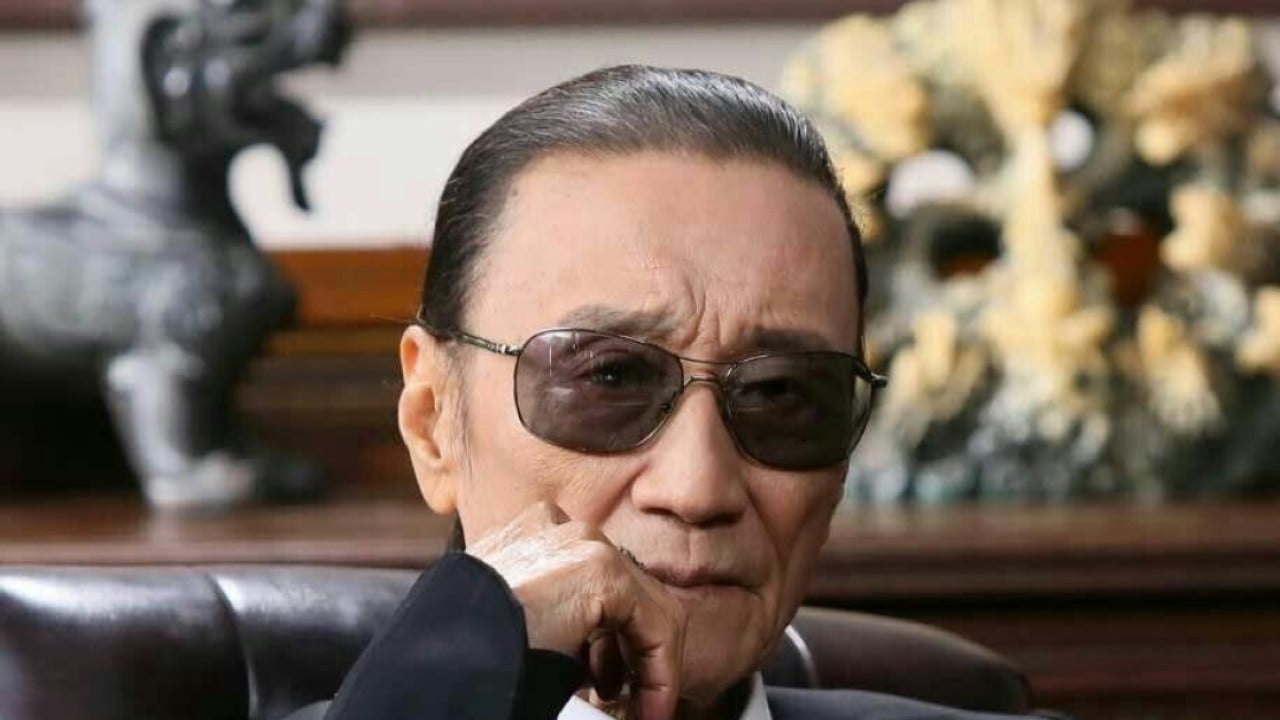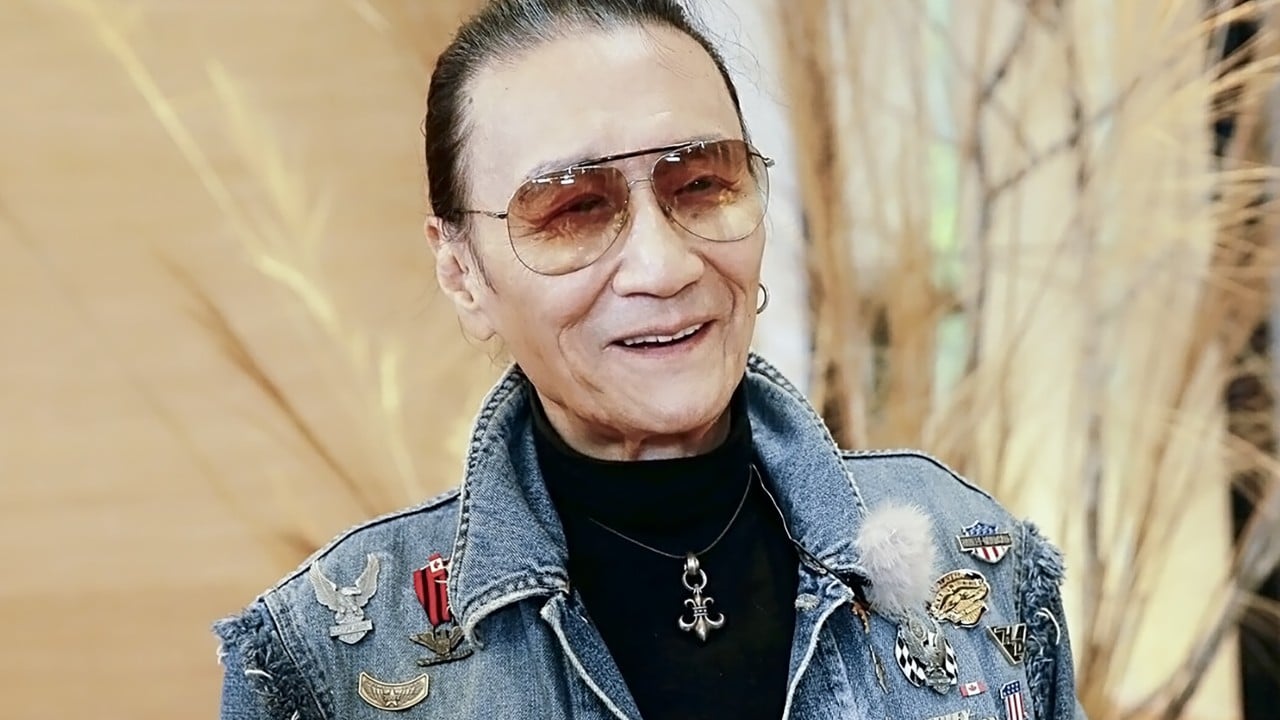
Hong Kong screen icon Patrick Tse Yin has passed away at age 89, marking the end of an era for Asian cinema. Known universally as "Fourth Brother," Tse belonged to a legendary generation of performers who built post-war Cantonese pop culture from scratch. His passing represents far more than the loss of a veteran actor. It signals the final collapse of a specific star system that defined East Asian entertainment across five decades. Tse was the ultimate leading man, a suave archetype whose charismatic persona masked a fierce work ethic that carried Hong Kong film from black-and-white family melodramas to high-octane international blockbusters.
To understand the magnitude of his death, one must look past the trademark sunglasses, tailored suits, and tabloid headlines that dominated his later years. Tse was an industrial pillar. Across more than two hundred films and thousands of television episodes, he established the visual language of the suave Hong Kong antihero. Long before Chow Yun-fat donned a trench coat or Tony Leung Chiu-wai offered a brooding glance, Tse was teaching local audiences how to project cool in a rapidly modernizing metropolis.
The Architect of Screen Cool
Tse entered the industry in 1953, stepping into a film environment undergoing violent structural shifts. Hong Kong was absorbing hundreds of thousands of refugees, and local studios were desperate for faces that could bridge the gap between traditional mainland sensibilities and an emerging urban identity. He possessed an effortless presence. While older actors relied on stagey, operatic gestures derived from Cantonese opera traditions, Tse brought a relaxed, modern intimacy to the lens.
His early work with Union Film Enterprises showcased an actor capable of carrying emotional weight. Yet it was his transition to romantic leads in the late 1950s and 1960s that turned him into a box-office powerhouse. In films like The Story of a Discharged Prisoner (1967), directed by Patrick Lung Kong, Tse delivered a career-defining performance as Lee Cheuk-hung, an ex-convict trying to reform while trapped by criminal ties.
The film was a cultural earthquake. It challenged the strict moral binaries of contemporary Cantonese cinema by presenting a flawed, sympathetic protagonist struggling against systemic hypocrisy. Decades later, John Woo would remake the film as A Better Tomorrow (1986), casting Ti Lung in Tse’s original role and kickstarting the "heroic bloodshed" genre that swept global cinema. Without Tse’s original blueprint of tortured honor, the entire aesthetic trajectory of Hong Kong action cinema would look vastly different.
He understood the power of image long before talent management became a formal science. Tse curated his wardrobe, his posture, and his off-screen swagger with calculated precision. The tinted glasses were not merely a fashion choice. They were a shield, a device that allowed him to maintain an aura of mystery even as local media relentlessly pursued his personal life.
Navigating the Studio Wars and the TVB Boom
When the Cantonese film industry collapsed in the late 1960s under pressure from Mandarin studio behemoths like Shaw Brothers, many stars faded into obscurity. Tse adapted. He formed his own production company, Kwong Ngai Film Company, taking control of his material as a director and producer. He recognized early that independence was the only defense against studio exploitation.
When television emerged as the dominant mass medium in the late 1970s, Tse made another shrewd tactical shift. He signed with Television Broadcasts Limited (TVB), anchoring some of the most influential drama series in Chinese broadcasting history.
His portrayal of Lung Sze in The Shell Game (1980) redefined his career for a new generation. The series tapped into Hong Kong’s growing fascination with gambling, capitalism, and high-stakes social climbing. Tse played the legendary gambler with a quiet, icy authority that held millions of viewers spellbound every night. The show did not just post record ratings. It established a template for casino dramas that local studios would mine for the next twenty years.
Shortly after, his role as Yang Tiexin in the 1983 adaptation of Jin Yong’s The Legend of the Condor Heroes proved his versatility. He moved from modern urban slickness to historical tragedy without losing his singular screen authority. He knew precisely how much energy to withhold, allowing the camera to come to him rather than forcing emotional beats onto the audience.
The Economics of a Matinee Idol
Behind the glamorous facade was an industry worker who operated within a brutal production ecosystem. In the peak years of Hong Kong cinema, actors worked without safety nets, standardized contracts, or basic labor protections. Sets were firetraps, shooting schedules were relentless, and scripts were frequently written on the back of cigarette cartons hours before filming.
Tse survived this chaotic machine through discipline. He learned the technical mechanics of filmmaking from the ground up, developing an eye for lighting, framing, and editing that made him an efficient director in his own right. His directorial projects, such as If Tomorrow Comes (1973), showed an artist keen to explore romantic naturalism away from studio dictates.
His personal life frequently threatened to overshadow his professional achievements. Marriages to screen icons Zhen Zhen and Deborah Lee kept him on the front pages of entertainment magazines for decades. Yet Tse managed his public profile with remarkable detachment. He understood that in the Hong Kong entertainment engine, publicity was currency. He fed the tabloid machine just enough to stay culturally relevant while keeping his work ethic intact on set.
His son, Nicholas Tse, and daughter, Jennifer Tse, would later enter the same industry, turning the family name into a multi-generational entertainment dynasty. Yet Nicholas’s eventual rise as a pop star and action lead occurred under a vastly different economic model, one shaped by corporate sponsorships, international co-productions, and mainland market integration. The senior Tse remained the last true product of the self-contained, hyper-local Hong Kong studio circuit.
Late Career Triumph and the Reality of Aging on Screen
For years, critics dismissed Tse as a relic of a bygone era, an elder statesman who had settled into a comfortable caricature of himself. He made tongue-in-cheek cameos in films like Stephen Chow’s Shaolin Soccer (2001), playing the ruthless, cigar-chomping villain Hung with obvious relish. He was willing to mock his own image, but he never let the audience forget the underlying authority that made him a star in the first place.
His ultimate artistic vindication arrived late in life.
In 2021, director Ricky Ko cast the 84-year-old Tse in Time, a low-budget indie drama about aging hitmen dealing with isolation, poverty, and mortality in modern Hong Kong. Playing Chau, an elderly killer who spends his days slicing noodles in a dilapidated stall before taking on mercy-killing assignments for desperate senior citizens, Tse stripped away every trace of his movie-star glamour.
He removed his iconic sunglasses on camera. He allowed the lens to capture his wrinkles, his stooped posture, and the deep, quiet sadness of a man outliving his world. It was a stripped-back, profoundly human performance that shocked critics who had long written him off as a static icon.
The performance earned him the Best Actor award at the 41st Hong Kong Film Awards in 2022, making him the oldest recipient of the honor in the organization's history. When he walked onto the stage to receive the trophy, supported by his peers, the standing ovation reflected more than praise for a single role. It was a collective acknowledgement of seven decades spent carrying an entire industry on his shoulders.
What Hong Kong Lost
The death of Patrick Tse is not simply an occasion for nostalgia. It is a moment of stark reckoning for the Hong Kong entertainment industry.
The ecosystem that created Tse no longer exists. The local studio system that produced hundreds of genre films a year has shrunk under the pressure of shifting global markets, changing regulatory environments, and competing digital platforms. The localized star-making machinery that cultivated distinct regional personalities has been replaced by standardized corporate talent pipelines aimed at massive cross-border audiences.
Tse represented a time when Hong Kong performers built a distinct cultural identity through pure swagger, regional pride, and relentless work ethic. He was an original. He operated with a level of independence and personal flair that feels almost impossible in today's tightly managed media environment.
As the curtain falls on Tse's long life, the films remain as monuments to a golden era. From the black-and-white streetscapes of the 1950s to the glittering casino floors of the 1980s and the quiet, reflective alleyways of his final masterpiece, Tse captured the spirit of a city in constant motion. He did not merely star in Hong Kong cinema. He helped define its DNA.