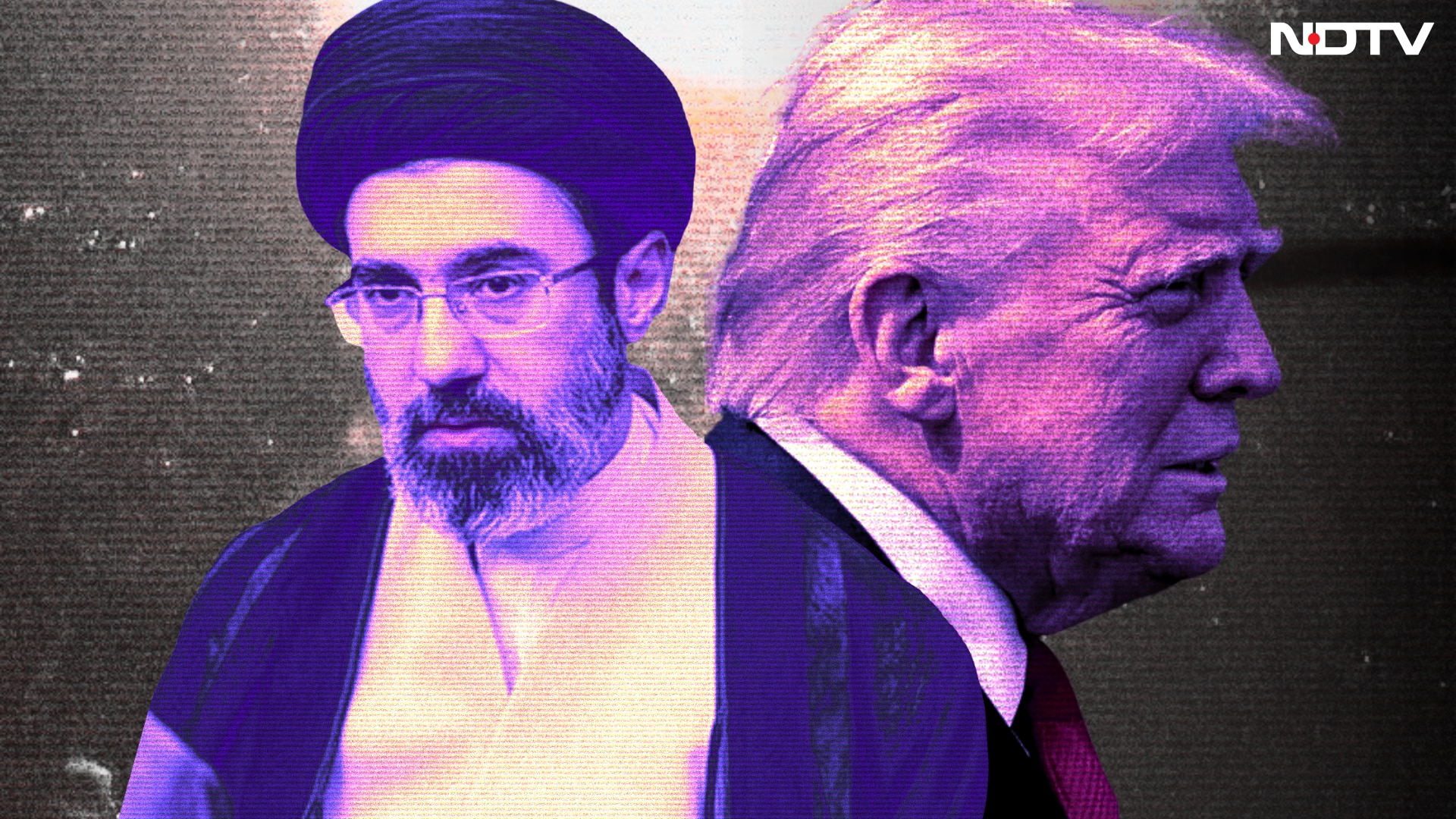
The United States and Iran have signed a comprehensive diplomatic accord, a development that took global energy markets and intelligence communities by surprise. While official channels hail the agreement as a historic breakthrough that will defuse decades of hostility, the reality on the ground remains deeply volatile. Iranian officials have already signaled their skepticism, stating publicly that it is now "time to test the implementation" of the deal. This phrase is diplomatic shorthand for a hard truth. Signing a document in Geneva or Vienna is easy, but dismantling a multi-generational apparatus of state-sponsored proxy warfare and economic sanctions is nearly impossible.
This agreement does not represent a sudden outbreak of mutual trust. Instead, it is a marriage of convenience driven by acute domestic pressures in both nations. Washington faces a fractured domestic electorate weary of foreign entanglements, alongside a desperate need to stabilize global oil prices. Tehran is buckling under the weight of systemic economic mismanagement, inflation, and a population that has grown increasingly restless.
But a signed piece of paper cannot instantly erase the structural friction points that have defined US-Iran relations since 1979. To understand why this deal is likely to fracture, one must look past the handshakes and examine the cold mechanics of implementation.
The Sanctions Trap and the Illusion of Economic Relief
The primary incentive for Iran to enter this agreement is the promise of immediate sanctions relief. Decades of economic isolation have choked the country’s banking sector and severely restricted its ability to export crude oil. However, the American sanctions regime is not a single lever that the White House can simply flip off. It is a dense, overlapping web of executive orders, congressional mandates, and Treasury Department regulations.
Many of these sanctions are tied to non-nuclear issues. For instance, hundreds of Iranian entities are blacklisted under terrorism or human rights designations. A president can suspend certain executive sanctions, but statutory sanctions passed by Congress require legislative action to repeal.
Furthermore, international corporations will not rush back into the Iranian market overnight. Compliance departments at major European and Asian banks remember the multi-billion-dollar fines levied against them during previous rounds of enforcement. They know that a change in the political party occupying the White House could result in the immediate reimposition of "snapback" sanctions.
For the average citizen in Tehran, the promised economic windfall will likely materialize as a slow trickle rather than a flood. If inflation does not drop and jobs do not appear within the first six months, the Iranian leadership will face renewed domestic backlash, forcing them to take a harder line against the West to maintain domestic legitimacy.
The Proxy Dilemma
A fundamental flaw in this diplomatic framework is its focus on state-to-state agreements while ignoring the asymmetric networks that define Iran's regional power. For forty years, Tehran has built a sophisticated network of non-state actors across Lebanon, Iraq, Syria, and Yemen. These groups do not operate under the direct, day-to-day command of the Iranian foreign ministry.
- The Quds Force Dynamic: The Islamic Revolutionary Guard Corps (IRGC) operates largely independently of the civilian government in Tehran. They view diplomatic engagement with the West as an existential threat to their institutional power and economic empire.
- Local Agendas: Groups like the Houthis in Yemen or various militias in Iraq have their own local grievances and political goals. They are not chess pieces that can be swept off the board by a signature in Europe.
If a rogue militia launches a drone strike against an American installation or an allied commercial vessel next week, the deal faces an immediate crisis. Washington will blame Tehran. Tehran will claim it has no control over local actors. The political pressure on the US administration to retaliate will be immense, rendering the text of the peace deal irrelevant.
The Verification Bottleneck
The phrase "testing the implementation" cuts both ways. While Iran watches the US Treasury Department for compliance, Western intelligence agencies will be monitoring Iran's nuclear and military facilities with unprecedented scrutiny.
The International Atomic Energy Agency (IAEA) is tasked with enforcing the verification protocols. This requires intrusive, short-notice inspections of sensitive military sites. Historically, these inspections have been a constant source of friction. The Iranian military establishment views open-ended access as espionage, while Western hawks view any delay in access as proof of covert enrichment.
Consider a hypothetical scenario where intelligence suggests a discrepancy at a military base near Isfahan. Under the terms of the agreement, Iran has a specific window to grant access. If they delay by even forty-eight hours to protect unrelated conventional military secrets, critics in Washington will declare the deal dead. The margin for error is razor-thin, and the mechanisms for dispute resolution are slow and bureaucratic.
Regional Allies Ready to Sabotage
Neither Washington nor Tehran operates in a vacuum. The geopolitical landscape of the Middle East is filled with powerful actors who view a US-Iran rapprochement as a direct threat to their national security.
Israel has made its position explicitly clear for years. It views a nuclear-capable Iran, or even an economically revitalized Iran, as an unacceptable danger. Jerusalem retains the intelligence capability and the political will to conduct covert operations, sabotage, and cyber warfare inside Iranian borders, regardless of what agreements Washington signs. A single targeted assassination or a cyberattack on an Iranian enrichment facility could provoke an Iranian military response that completely derails the peace process.
Similarly, Gulf Arab states view the deal with deep skepticism. While Riyadh has pursued its own cautious diplomacy with Tehran, a sudden influx of oil revenue into Iranian coffers causes deep anxiety in neighboring capitals. They fear that a sanctions-free Iran will simply use its newfound wealth to double down on regional hegemony.
The Hard Timeline of Domestic Politics
Diplomacy requires time to mature, but politicians operate on short electoral timelines. The current US administration has expended significant political capital to secure this agreement, exposing itself to accusations of weakness from congressional opposition. Every minor Iranian provocation will be amplified in the American media, turning the peace deal into a central battleground in upcoming election cycles.
If Iran does not see immediate, tangible benefits, its own internal political balance will shift back toward the hardliners. The supreme leader is aging, and the transition of power is looming. The factions competing for dominance in a post-transition Iran cannot afford to look weak or compromised by Western promises.
The fundamental mistake of this agreement is treating a systemic, ideological conflict as a transactional dispute that can be settled via treaty. The structural drivers of animosity remain entirely intact. The missile programs, the regional alliances, the ideological commitment to anti-imperialism, and the American commitment to preserving the regional status quo have not changed. This accord is not a resolution. It is merely a temporary pause in a long-term conflict, and the real test will not be whether the parties can implement the terms, but how they manage the inevitable fallout when those terms are broken.