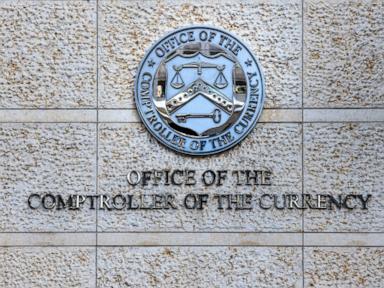
Bank regulators just dropped a massive update to how financial institutions handle lower-income neighborhoods, and nobody is talking about the right parts. The Office of the Comptroller of the Currency and the Federal Deposit Insurance Corporation recently rolled out a proposed overhaul to the Community Reinvestment Act. If you think this is just boring bureaucratic red tape, you are missing the entire picture. This law dictates where billions of dollars in credit flow across America.
When the original legislation passed back in 1977, the entire goal was stopping redlining. Back then, banks literally drew red lines on city maps to mark minority and low-income neighborhoods as too risky for loans. The law forced banks to prove they served the communities where they took deposits. But banking looks nothing like it did in 1977. Digital apps replaced local branches, and online lenders bypassed physical geography entirely.
The new regulatory proposal aims to fix this friction, but it comes with massive tradeoffs. Let us break down what is actually changing and why it matters to your wallet, your local bank, and neighborhood development.
The Shrinking Pool of Compliant Banks
The biggest shocker in the new proposal is the sheer scale of exemptions. Regulators want to raise the asset threshold for what counts as a small bank. Right now, any bank with under 412 million dollars in assets faces strict rules. Under the new plan, that number jumps to one billion dollars.
On top of that, banks holding between one billion and ten billion dollars will slide into a new intermediate category. What does this mean in plain English? Roughly 800 banks will suddenly find themselves free from heavy compliance burdens. Only about 86 institutions—roughly three percent of all banks nationwide—will face the full weight of the updated rules.
Supporters argue this frees smaller community banks from crushing paperwork, letting them focus on local lending instead of hiring armies of compliance lawyers. Critics point out that removing oversight from hundreds of mid-sized banks creates massive blind spots in regional credit markets.
Shifting the Focus From Bricks to Bytes
For decades, bank examiners checked physical footprints. They looked at where you parked your brick-and-mortar branches and how many local deposits you gathered. The new proposal shifts that weight heavily onto actual lending geography.
Examiners will care less about whether you have a grand marble lobby downtown and care more about whether working-class families actually get approved for mortgages. On paper, this sounds great. Digital banking means people rarely visit a physical branch anyway.
However, rural communities might take a hit. Without strict local branch mandates or localized incentives, national banks can easily harvest deposits online from small towns while funneling the capital into higher-yielding urban markets.
The Battle Over Community Grants
Another major shift targets how banks distribute philanthropic money to meet their regulatory obligations. Under the old framework, banks routinely funded local and national non-profits working on poverty reduction and affordable housing.
The proposed rules tighten these guidelines significantly. Regulators want stricter data collection on grant recipients, including exact physical addresses. More importantly, the updated framework aims to block grants from flowing to national advocacy groups or what regulators label as activist causes.
Groups like the National Community Reinvestment Coalition are already pushing back hard. They argue that choking off funding to national networks will dry up resources for rural areas that rely on umbrella organizations to distribute grants. Regulators counter that transparency is essential to ensure funds actually reach grassroots housing projects instead of bloated administrative budgets.
What Happens Next
These proposed rules are heading into a 60-day public comment period. Banks, advocacy groups, and ordinary citizens will fight over every single paragraph. Noticeably absent from this joint announcement is the Federal Reserve, meaning a unified regulatory front is far from guaranteed.
If you run a small business, rely on community development loans, or care about neighborhood investment, keep a close eye on how these thresholds settle. The rules governing your local bank are rewriting themselves right now. Pay attention before the ink dries.