Nepal is currently witnessing something that wasn't supposed to happen this fast. If you've been following the news, you know that the "old guard"—the septuagenarian leaders who have rotated the Prime Minister's chair like a game of musical chairs for thirty years—is finally facing a brick wall. This isn't just another routine trip to the ballot box. It's the first nationwide test of a generation that literally fought its way to the polls.
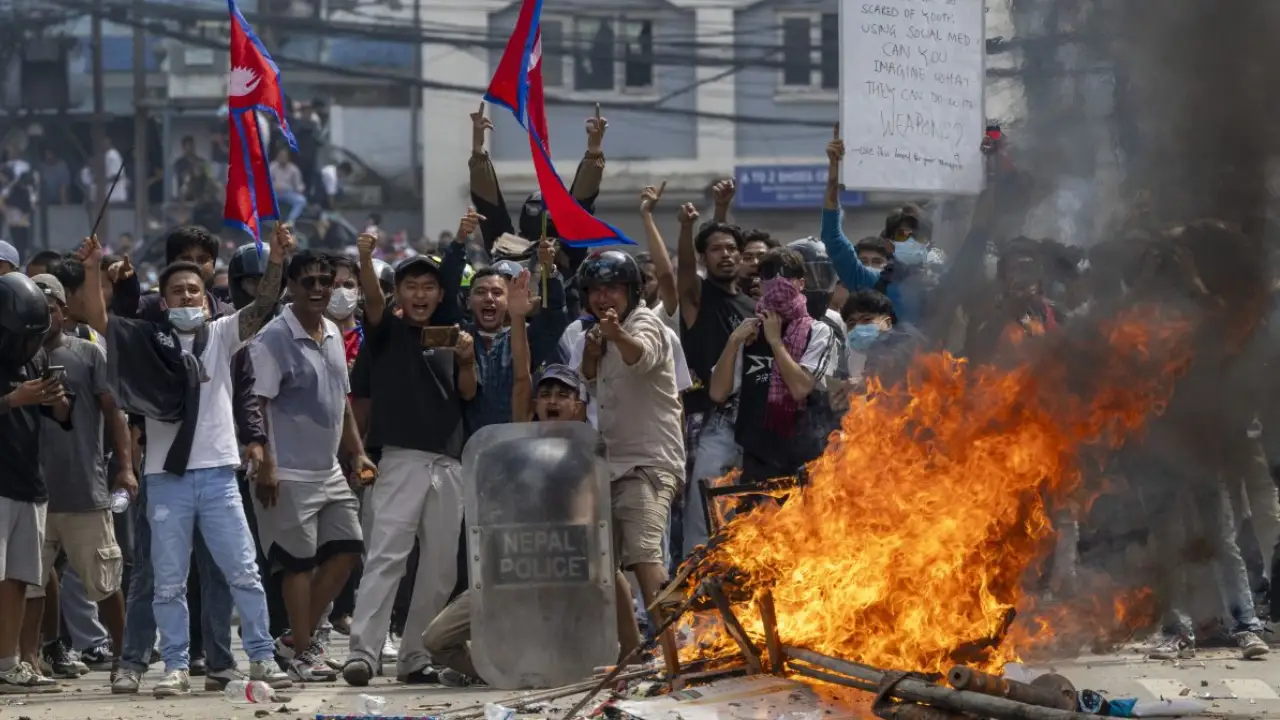
The "Gen Z Election" on March 5, 2026, is the direct result of a violent, youth-led uprising in September 2025 that toppled the government of K.P. Sharma Oli. While the world was looking at Bangladesh, Nepal’s youth were busy on Discord and TikTok, organizing protests that ended with the dissolution of Parliament. Now, nearly a million first-time voters are ready to decide if a rapper-turned-mayor can actually run a country.
The Gen Z Uprising was Never Just About TikTok
Last September, the government made a fatal mistake: they tried to shut down social media. What started as a protest against a digital ban quickly morphed into a rage-fueled movement against corruption, unemployment, and a feeling of being left behind. At least 77 people died in those protests.
You can't just ignore that kind of trauma. This election isn't about policy white papers; it’s about survival. For years, the only "plan" for a young Nepali was to get a passport and find a job in Dubai or Qatar. Roughly 3,300 people leave Nepal every single day for foreign employment. Gen Z is voting to stop that exodus.
Power is Shifting from the Capital to the Plains
In a massive tactical shift, the big names aren't just hiding in safe Kathmandu seats. Balen Shah, the structural engineer and rapper who shocked the world by becoming Kathmandu’s mayor in 2022, is now the Prime Ministerial candidate for the Rastriya Swatantra Party (RSP). But he’s not running in the capital. He’s gone to Jhapa-5 to face K.P. Sharma Oli directly on his home turf.
This is a high-stakes gamble. If Balen wins, it’s a total eclipse of the old sun. If he loses, the "youth wave" might look more like a ripple. But it’s not just him. Renu Dahal and Hark Sampang have also stepped down from their mayoral roles to fight for national seats. The message is clear: the youth aren't content with local administration anymore. They want the keys to the whole house.
Breaking Down the Numbers
The Election Commission data shows a country divided by age, not just geography.
- Total eligible voters: 18.9 million.
- New registrations: Over 915,000 since the 2022 elections.
- The Gen Z Factor: More than two-thirds of those new registrations are Gen Z voters.
- Demographic Power: 52% of the entire voter base is now aged 18-40.
Traditional parties like the Nepali Congress and the CPN-UML have deep roots. They have "cadres" in every village who can mobilize voters. The newer parties like the RSP have social media followers. The big question is whether a "like" on a Balen Shah rap video translates into a physical vote in a remote village in the Himalayas.
The 100 Point Citizen Contract
The RSP isn't just running on "vibes." They’ve released a "Citizen Contract" that reads like a tech startup’s pitch deck. They’re promising 1.2 million jobs in five years and an economy that hits $100 billion. They want to turn IT exports into a $30 billion industry.
It sounds ambitious—maybe too ambitious. Critics say it lacks a roadmap for how to navigate Nepal’s notoriously slow bureaucracy. But for a 20-year-old in Biratnagar who has watched the same three men lead the country since before they were born, "ambitious" is exactly what they’re looking for.
What Most People Get Wrong About the "Youth Wave"
Don't assume Gen Z is a monolith. While they all want change, they don't all agree on the "how." Some are drawn to the centrist, pro-market stance of the RSP. Others are still wary of "independent" candidates who might not have the organizational muscle to pass laws in a fractured Parliament.
There's also the "Sushila Karki factor." The interim government, led by the former Chief Justice, was formed on the back of the youth movement. Her administration has been the one clearing the legal hurdles to allow these snap polls. This isn't just a protest; it’s a systematic attempt to rewrite how Nepal functions.
The Overseas Vote Problem
One massive hurdle remains: the three million Nepalis working abroad. Despite years of talk about "out-of-country voting," there’s still no system for them to cast a ballot. These are the people sending home the remittances that keep the economy alive, yet they have no say in this "revolution." If those three million could vote, the old parties would likely be wiped out overnight.
The Reality of a Hung Parliament
Most analysts expect a messy result. Nepal uses a mixed electoral system: 165 seats are "First-Past-The-Post" (direct), and 110 are "Proportional Representation" (party list). This almost guarantees that no single party gets a majority.
Even if Balen Shah or Gagan Thapa (the newly minted leader of the Nepali Congress who is also positioning himself as a "young" alternative) does well, they’ll have to cut deals. The "purity" of the Gen Z movement will be tested the moment they have to sit across a table from the very people they were protesting against in September.
How to Follow the Results
If you’re watching this from outside Nepal, don't just look at the seat counts. Look at the "Vote Share." If the RSP or independent blocs cross 20% of the national vote, the old parties will be forced to either reform or perish.
- Check the Election Commission of Nepal (ECN) official portal for live updates.
- Watch for results from urban centers like Kathmandu, Lalitpur, and Pokhara first—these are the youth strongholds.
- Pay attention to the Jhapa-5 race. It’s the symbolic heart of this entire election.
The counting starts tonight. By the weekend, we’ll know if Nepal has actually changed, or if the old guard has managed to survive one more storm. The kids are at the door, and they aren't knocking anymore. They’re ready to kick it down.
If you want to understand the impact of this vote on regional stability, look at how the RSP handles relations with India and China. Their manifesto calls for "balanced diplomacy," a delicate dance that has tripped up every Prime Minister before them. This isn't just about rap songs and TikTok; it's about the future of a nation caught between two giants. Check the latest seat tallies as they come in through the local Nepali press outlets like the Kathmandu Post or Online Khabar to see if the "Rabi-Balen" alliance actually holds.