The highest highs in Mexican football history usually come with a brutal hangover. On June 17, 2018, El Tri pulled off one of the biggest shocks in modern World Cup history by suffocating Germany in Moscow. Hirving Lozano’s first-half strike didn't just break German hearts. It caused a literal earthquake back in Mexico City as millions of fans jumped in unison. It was a tactical masterclass by Juan Carlos Osorio, a man who spent years getting dragged by the domestic press for his obsessive squad rotations.
Then came Rostov.
Faced with a quick turnaround against South Korea, Mexico encountered its oldest, most terrifying demon. Expectations. For decades, El Tri has thrived as the ultimate underdog, a team capable of trading blows with global giants when nobody gives them a prayer. Put them in a match where they are heavy favorites, and things get weird. The nerves creep in. The legs start to feel heavy. The press starts writing scripts about the legendary fifth game, and suddenly, a straightforward group-stage match feels like an existential crisis.
Understanding how Mexico managed those nerves in Rostov tells us everything about the fragile psychological setup of international football.
The Hangover of Beating a Giant
Football history is littered with teams that played their final in the first match of the tournament. Beating the defending world champions takes an immense physical toll. The emotional drain is even worse. Javier "Chicharito" Hernandez was spotted crying on the pitch immediately after the final whistle against Germany. That tells you everything about the emotional pressure cooker this squad was living in.
Osorio knew the biggest threat to Mexico’s tournament wasn't South Korea’s tactical setup. It was complacency mixed with sudden, paralyzing fear of throwing away a historic advantage. History shows that human beings naturally relax after achieving a massive milestone. The technical staff spent five days trying to keep the players grounded. They knew that dropping points against South Korea would completely invalidate the miracle in Moscow.
The media environment didn't help. Overnight, the narrative flipped from "Osorio doesn't know what he's doing" to "Can Mexico win the World Cup?" That sort of whiplash wrecks locker rooms. It creates an atmosphere where players feel they have everything to lose and nothing to gain.
Switching from Counter Attack to Command
Against Germany, Mexico’s plan was beautiful in its simplicity. Sit deep, compress the space in front of the back four, and use the explosive pace of Lozano and Miguel Layun to exploit the spaces left by Joshua Kimmich. It worked perfectly because Germany flooded men forward.
South Korea offered the exact opposite problem.
Shin Tae-yong’s side lost their opening match 1-0 to Sweden. They were desperate, but they weren't stupid. They knew that if they chased Mexico up the pitch, Lozano would tear them apart. South Korea set up to block the central channels, forcing Mexico to become the protagonists.
This is where Osorio’s much-maligned tinkering actually saved the day. Instead of completely ripping up his blueprint, he made a subtle adjustment. He resisted the urge to rotate eight players like he usually did. He made just one change. Edson Alvarez came into the starting lineup to handle the blistering pace of Hwang Hee-chan.
Mexico had to learn how to dominate possession without getting caught on the counter. It required a completely different style of mental discipline. You aren't reacting to the opponent anymore. You have to break down a low block while staying completely alert to turnovers.
The Son Heung-min Problem
You can't talk about that South Korea team without talking about Son Heung-min. He was already a star at Tottenham Hotspur, and he possessed the exact type of direct, vertical speed that gives Mexican central defenders nightmares. Hector Moreno and Carlos Salcedo had to play a high defensive line to support the midfield press, leaving acres of space behind them.
Son spent the first twenty minutes looking to exploit those exact gaps. Every time Mexico misplaced a pass in the middle third, Son was already on his bike.
It was a battle of nerves. If Mexico’s midfielders panicked and stopped supporting the attack out of fear of Son, the offense would stall. Hector Herrera played a massive role here. He didn't drop deep to babysit the center-backs. He kept demanding the ball, dragging South Korean midfielders out of position, and trusting Salcedo to win his individual footraces against Son. It was a risky strategy that required immense self-belief.
Breaking the Lock
The breakthrough didn't come from a magical team sequence. It came from pressure forcing an error. In the 26th minute, Andres Guardado attempted a cross that struck the extended arm of Hyun-Soo Jang. It was a clear penalty.
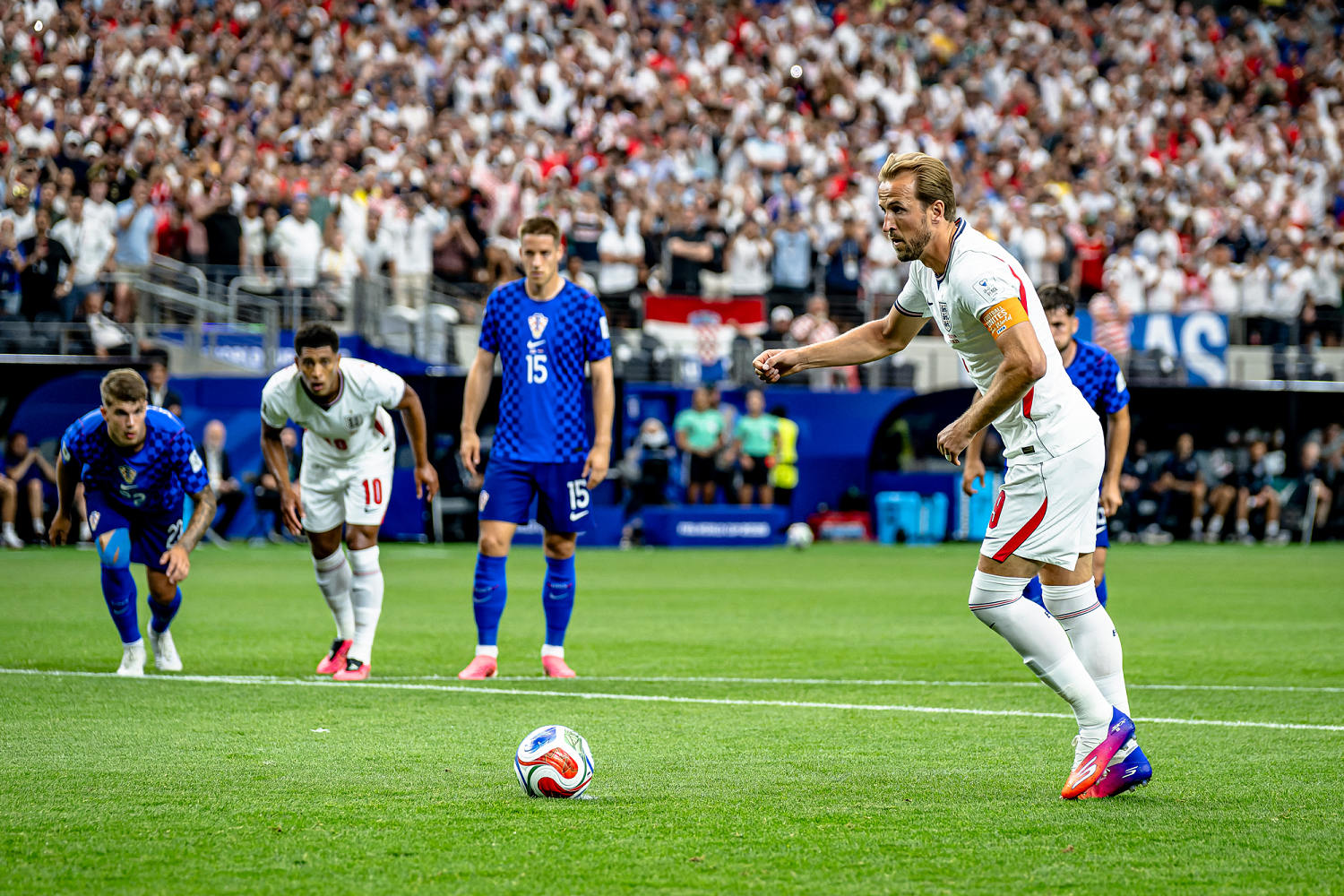
The pressure on Carlos Vela at that moment was suffocating. Miss, and the nerves in the stadium would have doubled. Score, and South Korea would be forced to abandon their defensive shape. Vela walked up with total indifference, sent Cho Hyun-woo the wrong way, and buried it.
That goal changed the entire tactical landscape of Group F. South Korea could no longer sit back and hope for a draw. They had to push bodies forward, which played right into Mexico's hands. The space that Lozano and Chicharito had been searching for suddenly opened up.
The Second Half Survival Masterclass
The second half of that match in Rostov was a masterclass in game management, mixed with a healthy dose of old-fashioned suffering. South Korea didn't roll over. They committed 24 fouls during the ninety minutes, a statistic that later infuriated Osorio. It was a physical, bruising encounter designed to disrupt Mexico's rhythm and provoke a red card.
Mexico didn't bite. They stayed calm.
The defining moment came in the 66th minute. Lozano led a blistering break through the center of the pitch. He looked left, hesitated, and then slipped a perfect pass to Chicharito. The veteran striker chopped back inside, leaving a defender sliding into the Rostov grass, and slotted it near post. It was his 50th international goal. He became one of the few Mexican players to score in three separate World Cups.
At 2-0, the match should have been over. But Mexico wouldn't be Mexico without a dramatic finish.
In stoppage time, Son Heung-min reminded everyone why he’s world-class. He cut inside onto his left foot and curled an absolute rocket past Guillermo Ochoa from 20 yards out. It was a spectacular goal, but it came too late. Mexico held on for the 2-1 win.
The Flaw in the Perfect Tournament Script
With six points from two games, Mexico looked dominant. Yet, the complex psychological makeup of this team showed its ugly side just days later against Sweden. They entered the final group match needing only a draw to secure top spot. Instead, they collapsed in a 3-0 defeat, showing that the emotional volatility Osorio fought so hard to control was still bubbling under the surface.
They advanced anyway, thanks to South Korea pulling off a shocking win against Germany in the parallel fixture. But the lesson of Rostov remains clear for anyone analyzing Mexican football.
El Tri does not suffer from a lack of technical quality or tactical awareness. They suffer from the weight of their own history. When they play with the freedom of an underdog, they can beat anyone on Earth. When they bear the responsibility of the favorite, every pass looks a little more difficult.
To win consistently on the biggest stage, you have to learn to love the pressure of being the better team. Mexico proved they could do it for ninety minutes against South Korea, but consistency remains the final mountain they have to climb.