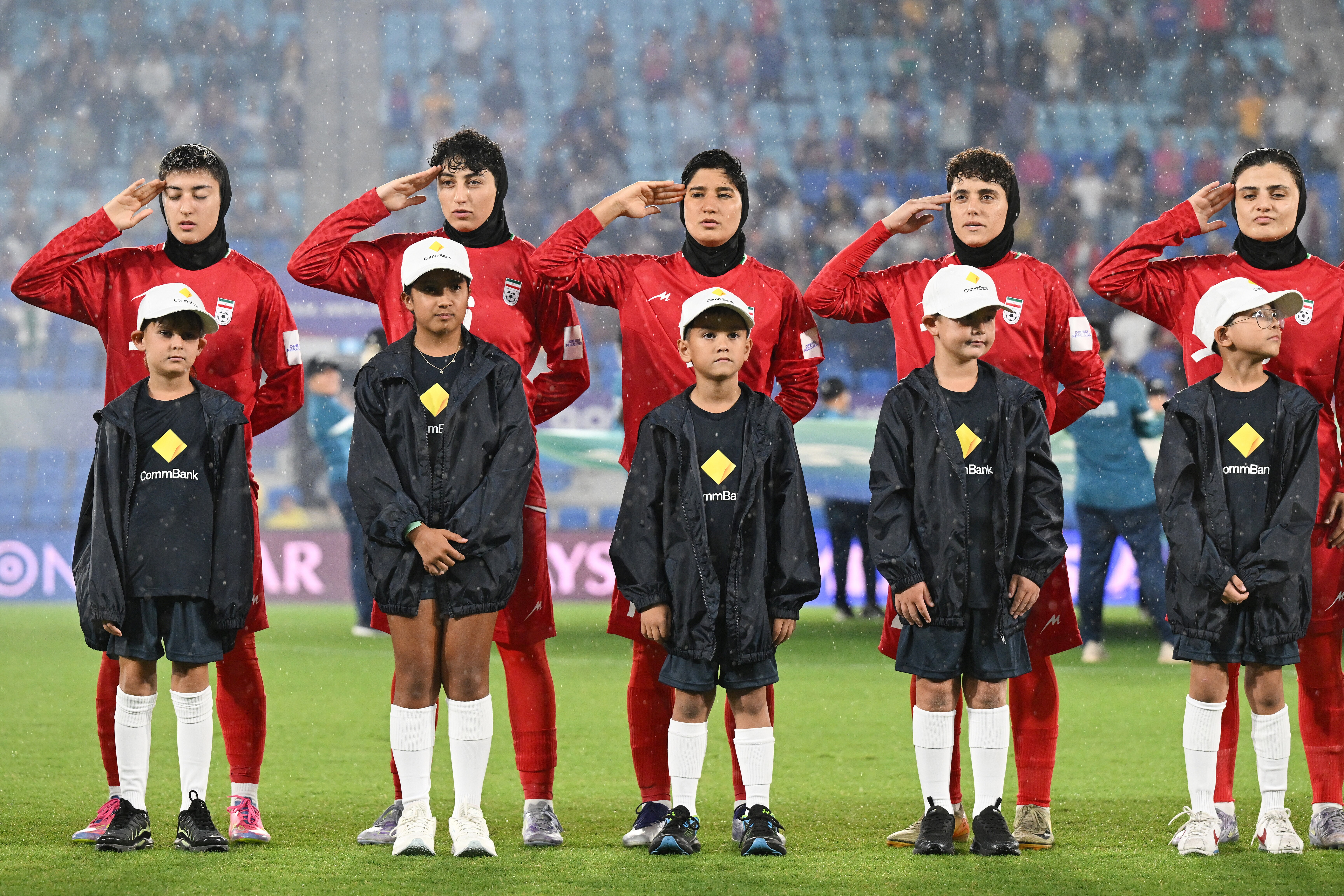
What would you do if playing a game of soccer meant you might never go home again? For five members of the Iranian women's national team, that's not a hypothetical question. It's their new reality. They came to Australia to compete in the AFC Women's Asian Cup, but while they were chasing a ball on the Gold Coast, their world back home caught fire. The "Iran war" broke out on February 28, 2026, and suddenly, a flight back to Tehran looked like a one-way ticket to a disaster zone.
On Tuesday, March 10, 2026, the Australian government officially granted humanitarian visas to five of these athletes. It wasn't a quiet bureaucratic paper-shuffling. It was a midnight escape. At 1:30 am, Australian Federal Police (AFP) officers moved the women from their team hotel to a secure "safe house." By sunrise, Home Affairs Minister Tony Burke was signing the documents that turned them from visiting athletes into protected residents.
If you're wondering why this matters, it’s because this isn't just about football. It’s about the terrifying intersection of sport, war, and the heavy price of staying silent—or speaking up.
Why they couldn't go back
The trouble didn't start with the war; it started with a song. During their opening match against South Korea on March 2, the players stood in total silence while the Iranian national anthem played. In the eyes of the hardliners back in Tehran, that silence was a scream of defiance.
State-run media in Iran didn't hold back. IRIB presenter Mohammad Reza Shahbazi called them "wartime traitors." Think about that for a second. These are women in their 20s playing a sport they love, and they're being labeled as enemies of the state on national television. Reports began surfacing that security "minders" embedded with the team were confiscating passports and restricting who the players could talk to.
By the time the team was knocked out of the tournament following a 2-0 loss to the Philippines, the pressure was at a breaking point. Protesters outside the team hotel were literally lying in front of the team bus, shouting "Save our girls." They knew what the players knew: going home meant facing a regime that views any form of dissent as a crime punishable by death or life imprisonment.
The names you should know
The Australian government usually keeps these things under wraps for privacy, but these five women wanted their faces seen. They want the world to know they're safe. The players are:
- Zahra Ghanbari (The team's star striker and captain)
- Fatemeh Pasandideh
- Zahra Sarbali
- Atefeh Ramazanzadeh
- Mona Hamoudi
Tony Burke posted photos of them smiling and clapping as the visas were finalized. He described a scene of "joy and relief." But let’s be real—it’s a bittersweet joy. While these five are safe, there are 21 other players and staff members still in limbo. Some want to go home because they have children and parents in Iran. They're terrified that if they stay, the regime will take it out on their families.
The Trump factor and the political mess
This story took a weird turn when U.S. President Donald Trump weighed in on Truth Social. He hammered the Australian government, calling it a "terrible humanitarian mistake" to let the team be forced back. He even offered to take them in the U.S. if Australia wouldn't.
It was a classic political power play. Hours later, after a phone call with Prime Minister Anthony Albanese, Trump's tone flipped. He praised Albanese, saying "He’s on it!" It’s rare to see international asylum cases settled with this much public noise, but the pressure worked. The Australian government moved fast, skipping the usual months-long processing times to get these women into safety within 48 hours.
What happens to the rest of the team
The biggest mistake anyone can make is thinking this story ends with five visas. It doesn't. There's a white bus with tinted windows still sitting on the Gold Coast, and the atmosphere is toxic.
The remaining players are in an "impossible situation," as activists put it. If they return to Iran, they’ll likely be interrogated. If they stay, their assets back home could be seized, and their families could be arrested. The Iranian Prosecutor General has already threatened all Iranians abroad with property confiscation if they "cooperate with the enemy."
Football Australia and FIFA are supposedly in "close contact," but the reality is that sports organizations are notoriously bad at handling geopolitical crises. They want the matches to happen; they don't always have a plan for when the players become refugees mid-tournament.
Moving forward in Australia
The five women are now starting a life from scratch. They’ve made it clear they aren't "political activists"—they’re just people who want to be safe. They have a pathway to permanent residency, and given their talent, you’ll probably see them playing in the A-League Women's competition sooner rather than later.
If you want to support these athletes or stay informed on the remaining squad members, follow the updates from organizations like Human Rights Watch or the Professional Footballers Australia (PFA). They’re the ones doing the heavy lifting on the ground. The next few days will determine if the rest of the team follows suit or if they’re forced to board a flight back to a very uncertain future.