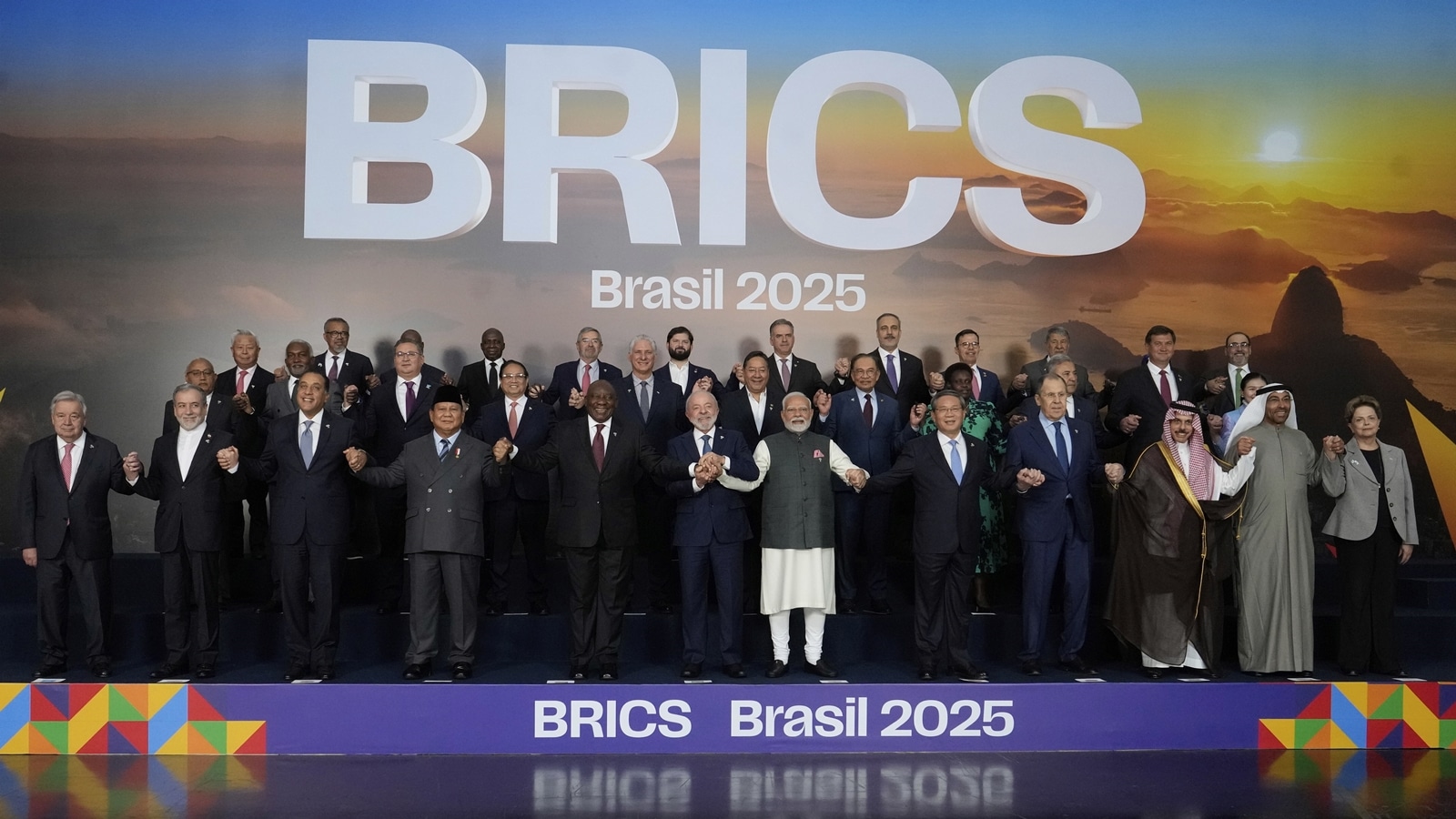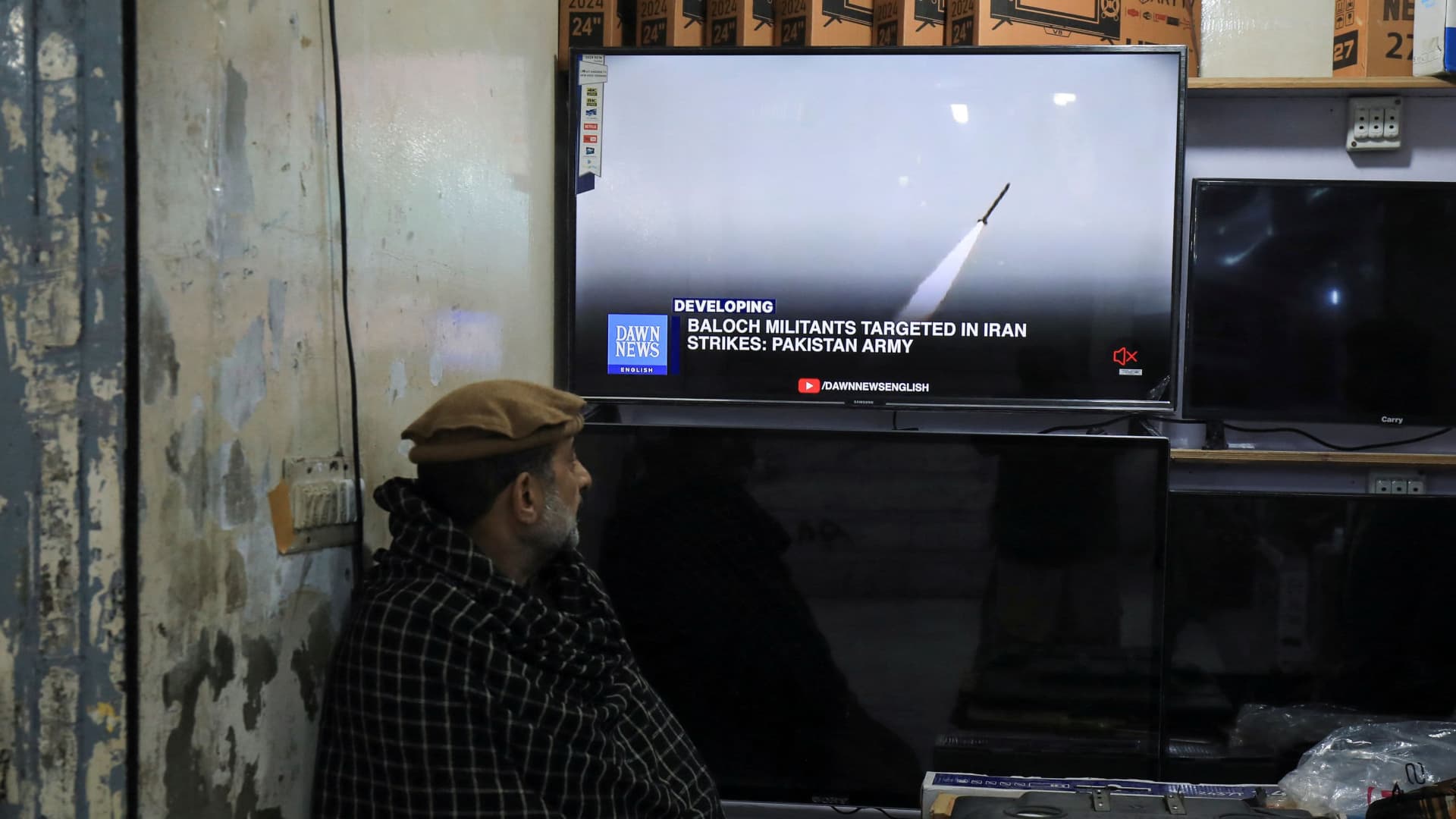
The Middle East isn’t just on the brink anymore—it’s deep in a conflict that’s rapidly rewriting the global security playbook. On March 21, 2026, Iranian President Masoud Pezeshkian hopped on a call with Indian Prime Minister Narendra Modi. This wasn't just a holiday greeting for Nowruz or Eid. It was a calculated diplomatic move. Iran wants India, currently sitting in the BRICS chair, to step up and act as an "independent" force to stop what Tehran calls U.S. and Israeli aggression.
This request puts New Delhi in an incredibly tight spot. While Pezeshkian is pleading for a regional security framework that excludes "foreign interference," Modi is balancing a delicate relationship with Israel and a massive energy security crisis at home.
The Tehran Perspective: Why BRICS?
Iran’s strategy is clear. They’re no longer looking to the West for a "pause" or a "ceasefire." Pezeshkian told Modi that the prerequisite for any peace is an immediate halt to the strikes by the U.S. and Israel. But why ask India?
As the current chair of BRICS, India represents a bloc that—on paper, at least—favors a multipolar world. Iran joined BRICS precisely for this kind of moment. They want the group to prove it isn't just a talk shop but a real alternative to Western-led diplomacy. Pezeshkian’s pitch is simple: if BRICS is truly "independent," it should be able to safeguard regional stability without waiting for a green light from Washington.
What Tehran is reporting
- The Nuclear Site Strike: Iranian media confirmed that the Natanz uranium enrichment facility was hit again today. While they claim no radioactive leakage, the psychological impact of hitting such a "red line" site is massive.
- Civilian Toll: Pezeshkian alleged that a school in Minab was struck by forces operating from bases in neighboring countries, resulting in the deaths of over 100 children.
- The "Martyrdom" Narrative: The death of Supreme Leader Ayatollah Ali Khamenei on February 28 remains the central wound for the Iranian state. Pezeshkian reiterated that Iran "did not initiate the war" and that the current strikes are happening while nuclear negotiations were technically still on the table.
India’s Tightrope Walk
If you think India is going to jump in and condemn Israel or the U.S. tomorrow, you’re mistaken. Modi’s response to Pezeshkian was a masterclass in strategic ambiguity. He expressed "deep concern" about the loss of life, but his focus was elsewhere: critical infrastructure and freedom of navigation.
For India, this isn't just about ideology; it's about survival.
- Shipping Lanes: Over 600 Indian seafarers are currently stranded on 22 vessels in the western Persian Gulf.
- Energy Security: With the Strait of Hormuz effectively a war zone, India’s oil and gas supply lines are under threat. Modi’s insistence that shipping lanes must remain open is a direct message to Tehran: "Don't close the tap."
- The Israel Factor: India has deep defense and technology ties with Israel. Modi’s recent visits to Israel showed a level of "bonhomie" that makes a formal condemnation of Israeli strikes highly unlikely.
The BRICS Reality Check
Can BRICS actually do anything? Iran wants the bloc to play an "independent role," but the group is far from a monolith.
- China is playing a cautious game, buying discounted oil where it can but avoiding direct military involvement.
- Russia is preoccupied with its own fronts.
- India is the "middle path" power that refuses to take a side.
Iran’s proposal for a "regional security framework" led by West Asian countries sounds good in a press release, but with the U.A.E. recalling its ambassador and intercepting Iranian drones, the region is more fractured than ever.
What This Means for You
The outcome of this "diplomatic offensive" by Iran will determine whether your fuel prices double next month. If India manages to use its BRICS chairmanship to facilitate even a temporary "maritime pause," it would be a massive win for global trade. If it fails, we’re looking at a prolonged war that could permanently shut the Strait of Hormuz.
Your next steps: * Monitor the upcoming BRICS emergency summit (expected within the week) for any joint statement on maritime security.
- Watch the shipping freight rates; if they continue to climb, expect a knock-on effect on the price of imported goods and fuel by early April.
- Check for updates on Chabahar Port operations—India’s strategic investment in Iran is currently a sitting duck in this conflict.
The "independent role" Iran is asking for is a test India didn't necessarily want, but as the head of BRICS, it's a test Modi can no longer avoid.