The global food system rests on a chemical foundation that most people never think about until their grocery bill doubles. While geopolitical analysts fixate on oil tankers in the Strait of Hormuz, the more immediate threat to human survival isn't the price of crude—it’s the price of nitrogen. Any escalation of conflict involving Iran poses an existential threat to the global fertilizer supply chain, a fragile network that keeps roughly half the world's population alive. If the natural gas taps in the Middle East tighten, the resulting "fertilizer shock" will trigger a ripple effect that starts in the soil of the American Midwest and ends in bread riots across the Global South.
The Chemistry of Conflict
Modern agriculture is essentially a process of turning fossil fuels into calories. The Haber-Bosch process, which synthesizes ammonia from nitrogen and hydrogen, requires immense amounts of energy. Natural gas isn't just a power source for this process; it is the raw feedstock.
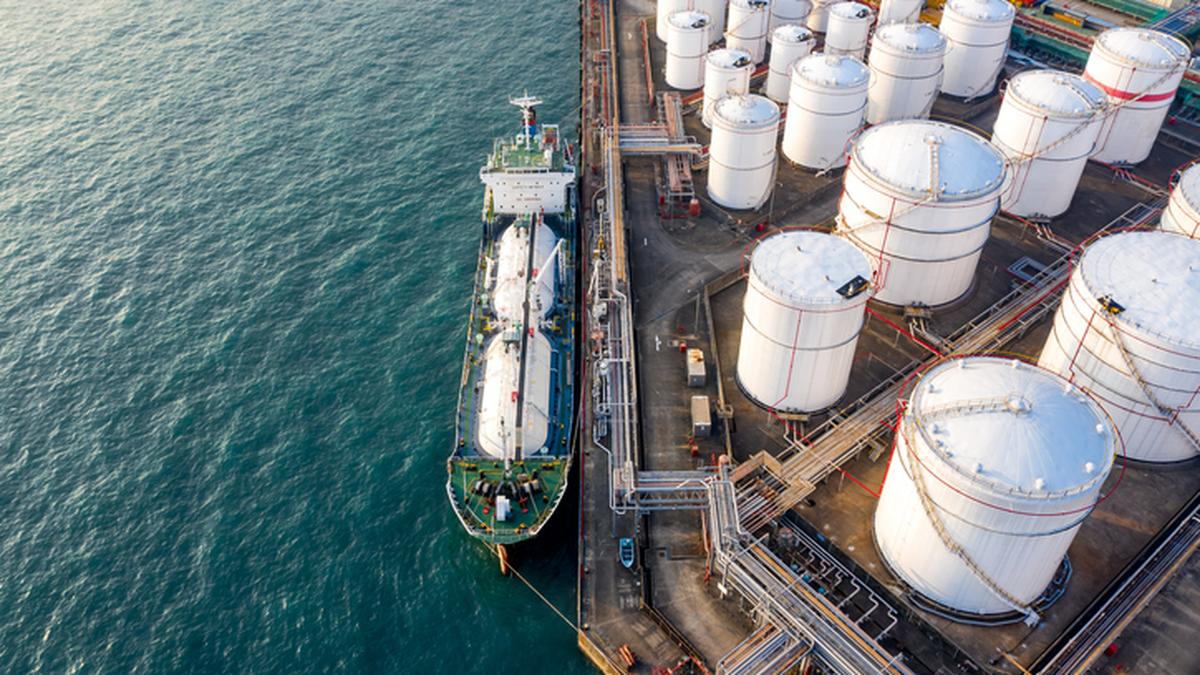
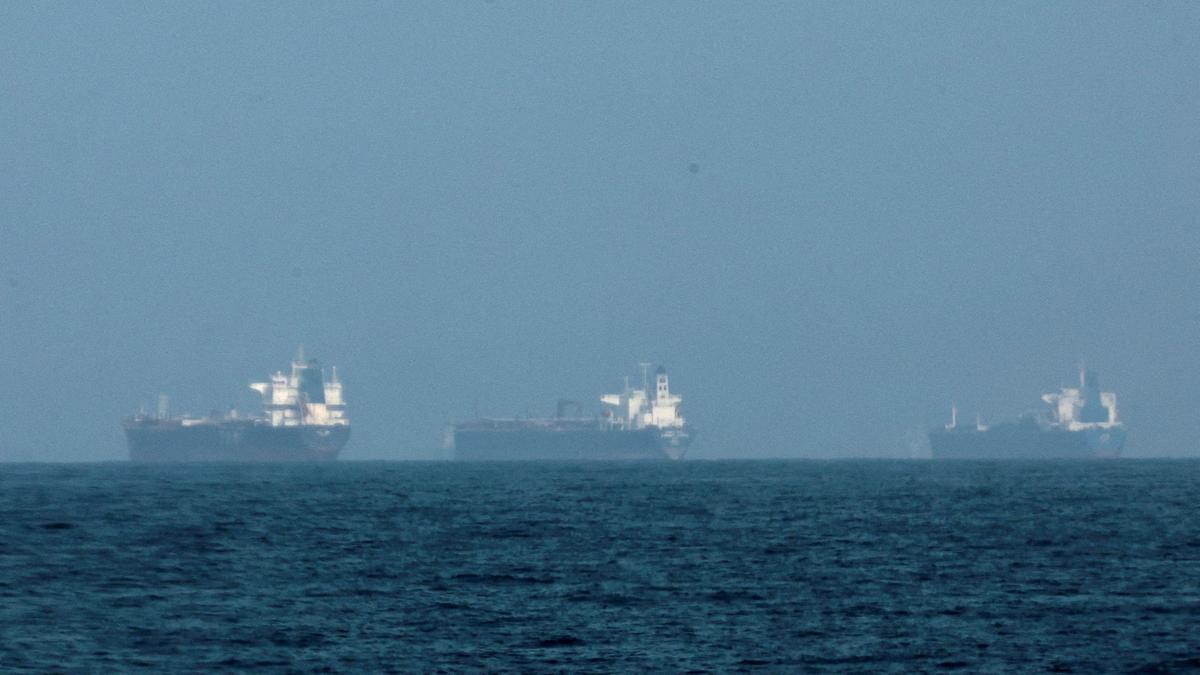
In the Middle East, particularly around the Persian Gulf, natural gas is abundant and cheap. This has made the region a cornerstone of global urea and ammonia production. Iran itself is a massive producer, but its geographical position is what truly matters. The Strait of Hormuz handles not just oil, but a significant portion of the world’s liquefied natural gas (LNG) and finished fertilizer exports. A kinetic conflict in this corridor doesn't just stop cars; it stops crops from growing.
Why the Market is More Fragile Than You Think
The fertilizer market operates on razor-thin margins and "just-in-time" delivery schedules. Unlike crude oil, which many nations stockpile in strategic reserves, there is no global "Strategic Fertilizer Reserve" to cushion a supply hit. When prices spiked following the invasion of Ukraine, the world saw a preview of this volatility. However, a Middle Eastern flare-up involving Iran would be fundamentally different and potentially more devastating.
Russia and Belarus are heavyweights in potash and phosphate, but the Gulf region is the heartbeat of nitrogen-based fertilizers. Nitrogen is the most volatile of the three "NPK" essentials (Nitrogen, Phosphorus, Potassium) because it must be applied every single season. If a farmer skips a potash application, the yield might dip slightly. If they skip nitrogen, the crop fails.
The Subsidy Trap
Governments in developing nations often subsidize fertilizer to keep food affordable and prevent social unrest. When the global price of urea jumps from $300 to $900 per ton, these subsidy programs collapse. We saw this in Sri Lanka, where a botched transition away from synthetic fertilizers—driven partly by the inability to afford imports—led to a total collapse of the national economy and the ousting of the government.
The Natural Gas Connection
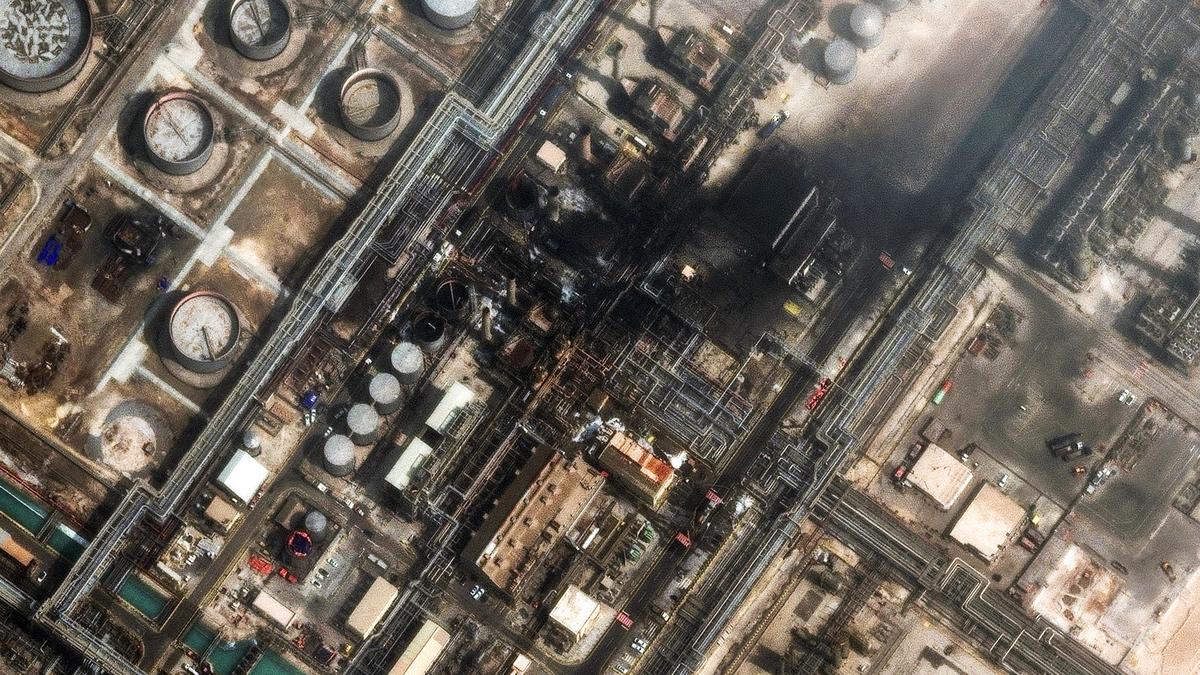
To understand the Iran risk, you have to look at the regional gas infrastructure. Iran shares the South Pars/North Dome field with Qatar. This is the largest natural gas field in the world. Any military action that damages the infrastructure in this pocket of the Persian Gulf removes a massive percentage of global energy supply from the board.
Without that gas, European and Asian fertilizer plants—already struggling with high operating costs—cannot compete. They shut down. We saw this in 2022 when European ammonia production fell by over 70% during the peak of the energy crisis. A conflict with Iran would effectively "export" this energy crisis to every farm on the planet simultaneously.
The Overlooked Threat of "Resource Nationalism"
When supply gets tight, countries look inward. We are already seeing a rise in export quotas and outright bans. China, another massive producer, has frequently restricted urea exports to protect its domestic food security. If the Middle East supply is throttled, expect every major producer to pull up the drawbridge.
This creates a "hunger gap" for nations that do not have their own domestic production. Sub-Saharan Africa and parts of Southeast Asia are particularly vulnerable. These regions rely on imports to sustain the "Green Revolution" yields that have allowed their populations to boom. Without the chemical inputs, yields revert to pre-industrial levels. The math is simple and brutal: fewer inputs equals fewer calories, and fewer calories equals mass migration and instability.
Breaking the Dependency
The industry is currently betting on "Green Ammonia" as a solution. This involves using renewable energy and electrolysis to pull hydrogen from water, rather than natural gas. It sounds like a perfect escape from Middle Eastern geopolitical risk.
But the scale is nowhere near where it needs to be. Currently, green ammonia accounts for less than 1% of global production. The capital expenditure required to replace the existing gas-based infrastructure is in the trillions of dollars. Furthermore, green ammonia requires massive amounts of fresh water and stable renewable grids—things that are also in short supply in many of the world's breadbaskets.
Logistics are the True Bottleneck
Even if a country manages to secure a contract for fertilizer during a conflict, they have to move it. Fertilizer is a bulk commodity. It requires specific port infrastructure and specialized shipping. If the Strait of Hormuz is mined or declared a high-risk zone by insurers, shipping rates skyrocket.
The insurance "war risk" premiums alone can make a shipment of urea economically unviable for a distributor in Brazil or India. This is the "soft" side of the conflict—no missiles need to fire for the supply chain to seize up. The mere threat of instability in the Gulf is enough to price the world's poorest farmers out of the market.
The Soil Health Paradox
There is a hard-hitting truth that the industry rarely discusses: our total reliance on synthetic nitrogen has degraded the natural ability of soil to fix its own nutrients. By flooding the soil with easy-to-absorb chemicals, we have effectively put the planet's farmland on life support.
If we were to lose access to Middle Eastern fertilizers tomorrow, the soil would not "bounce back" to a natural state of fertility for years, if not decades. We have built a world that cannot feed itself without a continuous drip-feed of natural gas-derived chemicals. This isn't just a business risk; it is a biological one.
A New Map of Power
Geopolitics is shifting from "who has the oil" to "who has the nutrients." For decades, the US and its allies focused on securing the flow of petroleum to keep the wheels of industry turning. That focus is outdated. The new strategic imperative is securing the flow of nitrogen, phosphate, and potash.
Iran knows this. They understand that their value to the global community isn't just in the barrels of oil they export, but in their ability to disrupt the very calories that keep the West's allies stable. When we talk about "deterrence," we are usually talking about nuclear weapons or carrier groups. We should be talking about the global grain supply.
High-Tech Farming won't Save Us
There is a common misconception that "precision agriculture" and AI-driven farming will mitigate this risk. While sensors and drones can reduce fertilizer waste by ensuring every drop hits the plant, they don't change the fundamental requirement for the nutrient itself. You cannot "optimize" your way out of a total lack of supply. A more efficient tractor still needs urea in the hopper.
The focus must move toward decentralized production. Small-scale ammonia plants that run on local waste streams or localized renewable grids could provide a "buffer" against Middle Eastern shocks. But currently, the global economy is moving in the opposite direction, toward massive, centralized hubs in Qatar, Saudi Arabia, and Iran.
The Immediate Outlook
Watch the "crack spread" between natural gas and urea prices. If that gap starts to narrow while tensions in the Gulf rise, it’s a signal that the market is beginning to price in a disaster. Most investors are looking at the price of Brent Crude as the barometer for war. They are looking at the wrong indicator.
Check the price of a ton of urea in New Orleans or the Black Sea. That is the real metric of human stability. If those numbers begin to climb, it doesn't matter how many warships are in the Gulf; the damage to the global social fabric has already begun.
We are currently one medium-sized conflict away from a global calorie deficit. The infrastructure that prevents this—the pipes, the tankers, the sprawling chemical complexes in the desert—is more exposed than at any point in the last fifty years.
Diversify your understanding of "energy security." It is no longer about the lights staying on. It is about the crops staying up. Start looking at the world's most volatile regions through the lens of the dinner table.
Check the current inventory levels of the top five global fertilizer firms.