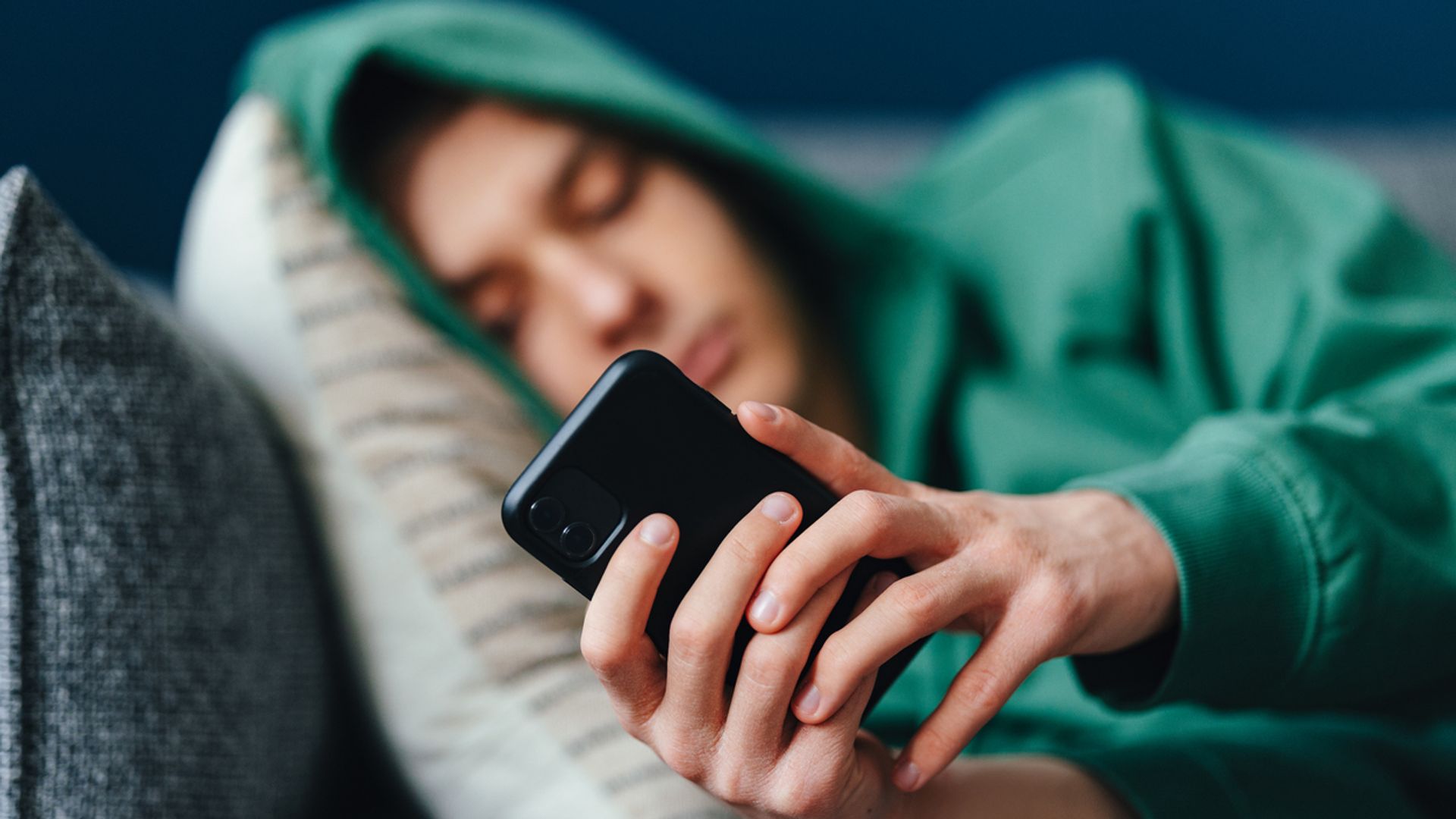
The UK government wants to lock older teenagers out of social media at midnight, but they are handing them the keys to the lock. Under new proposals announced by Technology Secretary Liz Kendall, 16 and 17-year-olds will face a default "voluntary" overnight curfew. From midnight to 6 a.m., their apps will go dark, infinite scrolling will grind to a halt, and algorithmic feeds will be disabled.
Yet, there is a gaping hole in this policy. Teenagers can simply toggle the safety settings off.
By making these protections optional for older teens, the state is trying to appease anxious parents while avoiding a real fight with Silicon Valley. Real tech policy requires hard boundaries, not polite suggestions that a teenager can bypass in two taps. The government is essentially trying to legislate good parenting, and the result is a toothless policy that shifts the burden of digital safety back onto the child.
The Opt-Out Loophole
Under the plan, platforms like TikTok, Instagram, and Snapchat must turn off addictive features by default for 16 and 17-year-olds. This includes autoplay, never-ending video reels, and overnight access.
But a default setting is only as strong as the friction required to change it. For a tech-literate 16-year-old, navigating to a settings menu to disable a curfew takes about five seconds.
Tech platforms have spent more than a decade perfecting the art of "dark patterns"—user interface designs that subtly push users toward choices that benefit the platform. If a platform is legally permitted to let users opt out of restrictions, they will make the opt-out process as seamless as possible. They want those teens scrolling at 2 a.m. because attention is the primary currency of the internet.
The Department for Science, Innovation and Technology (DSIT) points to a pilot program of 300 families to prove that overnight curfews improve sleep. But a controlled trial with willing participants does not reflect the reality of millions of teenagers facing peer pressure and algorithmic temptation. When everyone else in the group chat is awake, the urge to toggle the curfew button off will be overwhelming.
The Technical Nightmare of Age Verification
To enforce three distinct tiers of users—banned under-16s, restricted 16 and 17-year-olds, and unrestricted adults—platforms must know exactly how old every user is.
This is a massive technical hurdle. Current age verification methods are notoriously unreliable. Facial age estimation software can be fooled by lighting or makeup. Uploading government IDs raises massive privacy concerns for civil liberties groups.
If the government cannot guarantee robust age verification, the entire policy falls apart. Tech companies will either rely on self-declaration—which teenagers have lied about since the dawn of the internet—or they will collect highly sensitive biometric data on millions of citizens.
The Hypocrisy of Modern Tech Policy
The timing of this proposal exposes a deep political contradiction. The government plans to give 16-year-olds the right to vote while simultaneously arguing they lack the cognitive capacity to manage their own screen time.
If a citizen is deemed mature enough to help choose the next prime minister, they should be mature enough to decide when to lock their phone. This policy tries to have it both ways. It treats older teens as children who need a government-mandated bedtime, but gives them the adult agency to simply ignore the rule.
Furthermore, while the government crackdowns on commercial AI chatbots that offer questionable mental health advice, it is actively pushing AI tutors into schools. We are telling children that AI is a dangerous, addictive force that must be regulated after midnight, but an essential educational tool before 3 p.m.
What a Real Solution Looks Like
If the government genuinely wants to protect young people from the design choices of modern social media, it must target the business model, not the user.
Instead of voluntary curfews, policy should focus on:
- Banning addictive design features entirely for minors, with no opt-out mechanism. Infinite scroll and autoplay should be illegal for anyone under 18, period.
- Holding executives personally liable for design choices that cause documented psychological harm to minors.
- Mandating interoperability, allowing users to leave toxic platforms without losing their social networks, which would force platforms to compete on safety rather than lock-in tactics.
Until regulators are willing to write laws that cannot be bypassed with a single click, policies like the voluntary curfew will remain public relations triumphs and practical failures. Teens will keep scrolling, the algorithms will keep feeding, and the illusion of safety will continue to mask a growing mental health crisis.