Stop calling them "second mothers."
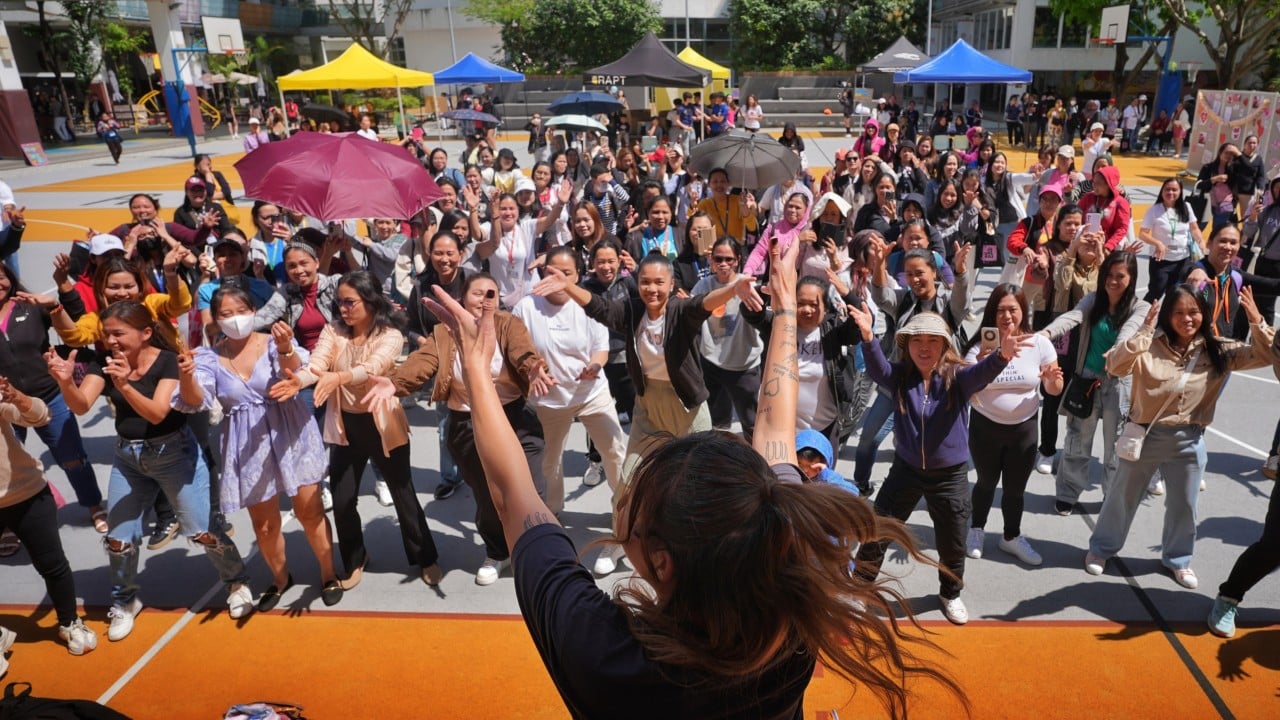
Every year, the same heartwarming headlines circulate in Hong Kong. We see photos of smiling students handing out handmade cards and carnations to foreign domestic helpers. We read speeches about the "invaluable contribution" of these women to the local family unit. We celebrate the "sacrifice" and the "bond" that transcends borders.
It is a sentimental performance that masks a brutal economic reality.
When we label a domestic worker a "second mother," we aren't just giving her a promotion in our hearts. We are participating in a sophisticated form of gaslighting that justifies the systemic denial of basic labor rights and human dignity. Calling a contracted employee "family" is the oldest trick in the corporate handbook to extract unpaid emotional labor while keeping wages stagnant.
The "second mother" narrative is a comfort blanket for a society that refuses to build a functional childcare infrastructure. It’s time to stop romanticizing a system built on mandatory live-in requirements and restricted freedom of movement.
The Exploitation of Emotional Labor
In the professional world, we understand that "we are a family" is a red flag. It usually means "we expect you to work late without overtime pay and never complain about the lack of boundaries." In the context of Hong Kong’s 340,000+ domestic workers, this dynamic is amplified by a legal framework that makes the worker’s right to stay in the city entirely dependent on their employer.
When a child calls a helper "Mommy" or "Second Mother," the parents feel a sense of relief. They believe they have found a replacement for their own presence. But for the worker, this bond is a double-edged sword.
I have seen the internal records of advocacy groups where workers describe the agonizing choice of leaving their own children in the Philippines or Indonesia to raise the children of wealthy professionals in Mid-Levels. To call them "second mothers" to our children ignores the fact that they are "absent mothers" to their own. We are celebrating the redistribution of maternal love from the global south to the global north under the guise of "honor."
Real expertise in labor economics tells us that when you blur the line between "employee" and "family member," the employee loses.
- The Live-in Rule: By law, helpers must live with their employers. This creates a 24/7 availability expectation.
- The Two-Week Rule: If fired, a worker has only 14 days to find a new job or face deportation.
- The Wage Ceiling: The Minimum Allowable Wage (MAW) remains a fraction of what any other worker in the city earns.
If these women were truly "second mothers," would we house them in closets or on floors? Would we fire them the moment they get a terminal illness? The "family" label is a shield against the guilt of providing substandard working conditions.
The Childcare Subsidy Nobody Wants to Admit
Hong Kong’s status as a global financial hub is built on the backs of foreign domestic helpers. Let’s be cold and clinical about it.
Without this pool of cheap, live-in labor, the female labor force participation rate in Hong Kong would plummet. The city has some of the longest working hours in the world. If parents had to pay market rates for local childcare—or if the government had to invest in high-quality, state-run nurseries—the economic engine of the city would seize up.
The "Second Mother" awards are a cheap way for the city to say "thank you" for a multibillion-dollar subsidy.
Imagine a scenario where the live-in rule was abolished tomorrow. The real estate market would shudder. Thousands of families would suddenly realize their three-bedroom apartments aren't big enough when they have to actually parent their own children without a 24-hour support staff. The current system isn't about "honor." It's about maintaining a lifestyle that the middle class cannot actually afford on its own.
The Psychological Cost of Displacement
We often talk about the children who "honor" their helpers, but we rarely talk about the psychological confusion this creates.
Psychologists specializing in attachment theory, such as those following the work of John Bowlby, emphasize the importance of consistent, primary caregivers. In many Hong Kong households, the helper is the primary caregiver. But that caregiver is also a precarious resident. When the contract ends, or when the "second mother" is no longer needed because the child has grown up, she is often discarded.
The "honor" ceremonies ignore the trauma of these severed bonds. We teach our children that you can love someone like a mother, and then see them disappear from your life because of a visa expiration. This isn't teaching gratitude; it's teaching that love is a commodified service.
Why Gratitude is a Trap
"But shouldn't we be grateful?" the critics ask.
Gratitude is a personal virtue, but it is a terrible policy. You don't pay your landlord in "honor." You don't pay your grocer in "gratitude."
The focus on these ceremonies shifts the conversation away from the reforms that actually matter:
- Abolishing the Live-in Mandate: Allow workers the choice to live out, fostering a sense of autonomy and a clear end to the workday.
- Standardized Working Hours: Define exactly when the "work" ends and the "rest" begins.
- Inclusion in the Statutory Minimum Wage: Stop treating domestic work as "lesser" labor that doesn't deserve the same floor as a waiter or a security guard.
If you want to honor a worker, give them a raise. Give them a private room with a door that locks. Give them the right to see their own children more than once every two years.
The "Family" Lie is Killing Innovation
By relying on this outdated, quasi-feudal system of domestic help, Hong Kong is falling behind in social innovation.
Other global cities have had to develop flexible work arrangements, robust community-based childcare, and father-inclusive parenting cultures. Hong Kong hasn't had to innovate because it has an endless supply of "second mothers" to fill the gaps. We are stuck in a 1950s social structure because we have outsourced our domestic responsibilities to a vulnerable underclass.
We don't need more carnations. We don't need more tearful speeches in school auditoriums. We need a fundamental restructuring of how we value domestic labor.
Stop the "Second Mother" nonsense. Treat them like the professional domestic technicians and childcare specialists they are. Give them a contract they can actually negotiate, a wage they can live on, and a legal status that isn't tied to the whims of an employer who might decide one day that "family" doesn't include health insurance.
The next time you see an article about students "honoring" their helpers, look past the smiles. Look at the data. Look at the law. Look at the cramped quarters.
The most respectful thing you can call your helper is an employee. Because employees have rights. "Mothers" just have obligations.
Burn the cards and pay the pension.