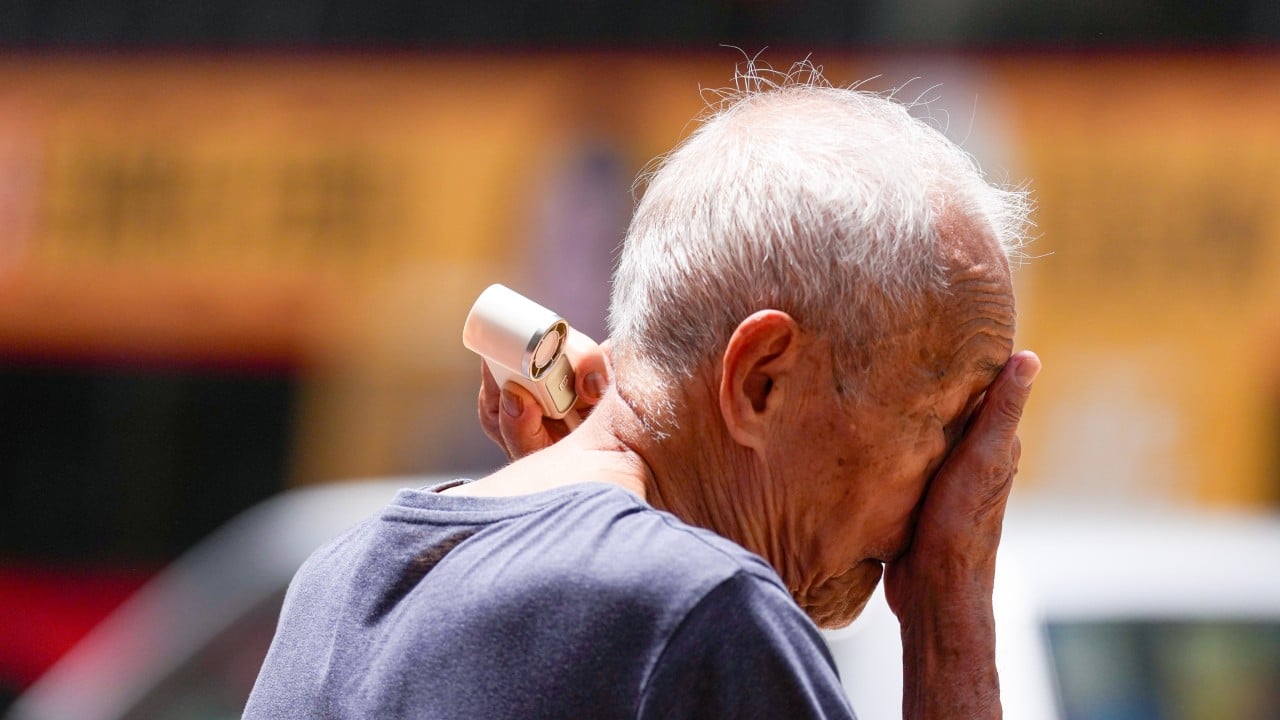
Hong Kong is suffocatingly hot during the summer, and it is getting worse. For a vulnerable senior living alone in a cramped subdivided flat, extreme heat is not just uncomfortable. It is a direct ticket to the emergency room.
The data tells a grim story. When the mercury spikes in Hong Kong, hospital admissions among the elderly surge dramatically. Heatstroke is the obvious culprit, but the reality is much more insidious. Extreme heat triggers cardiovascular collapses, severe respiratory distress, and acute renal failure. Local universities stepped in with targeted heat projects because traditional government weather warnings simply were not reaching the people who needed them most. These initiatives are actively cutting medical emergencies for Hong Kong’s vulnerable elderly right now.
Why Standard Weather Warnings Fail Our Seniors
The Hong Kong Observatory issues Very Hot Weather Warnings regularly. You see them on your phone, on the television, and across the news. But a generic city-wide alert does not change the reality inside a 60-square-foot concrete room in Sham Shui Po or Kwun Tong.
Many vulnerable seniors do not use smartphones. Some are socially isolated and do not watch the news. Even when they know it is hot, a massive psychological barrier stops them from turning on the air conditioning. They dread the electricity bill.
I have seen how this plays out in real life. A senior sits in a room that acts like an oven, trapping heat long after the sun goes down. They drink less water to avoid frequent trips to the bathroom, especially if they have mobility issues. Within forty-eight hours, they are severely dehydrated. Their chronic illnesses flare up, and an ambulance is called.
University researchers recognized this systemic breakdown. Instead of publishing another academic paper that nobody reads, teams from institutions like the Chinese University of Hong Kong (CUHK) and the University of Hong Kong (HKU) started deploying micro-climate data and community-level interventions. They took the science directly into the tightest alleys of the city.
The Real Mechanics Behind the University Heat Initiatives
These university heat projects do not rely on broad generalizations. They use hyper-local data to predict exactly which sub-districts, and even which specific buildings, face the highest thermal risks.
Researchers mapped the city using geographic information systems and thermal imaging. They identified "heat islands" within urban areas where high-rise buildings block natural sea breezes and trap vehicular emissions. Concrete and asphalt absorb solar radiation all day and radiate that heat back into the surrounding environment throughout the night.
Micro-Climate Tracking and Smart Sensors
One of the most effective tactics involves placing small, low-cost temperature and humidity sensors directly inside the homes of participating elderly residents. These are not intrusive cameras. They are simple data loggers.
When the indoor temperature crosses a critical threshold—often well before the official outdoor temperature hits its peak—the system flags the residence. This triggers a localized, human response.
Mobilizing the Community Network
Data is useless without feet on the ground. The universities partner with local non-governmental organizations (NGOs) and student volunteers to create a rapid-response network.
When the indoor sensors flag a dangerous heat level, or when the meteorological forecast predicts a prolonged heatwave, volunteers spring into action.
- They make direct phone calls to check on the cognitive awareness of the seniors.
- They conduct home visits to deliver cooling supplies like specialized cooling towels, electrolyte drinks, and mechanical fans.
- They perform quick environmental checks, ensuring that windows are open for cross-ventilation and that heavy curtains block direct afternoon sunlight.
This targeted approach prevents the physiological tipping point where a senior goes from feeling uncomfortably hot to suffering an acute medical crisis.
What the Data Shows About Hospital Avoidance
This is not just a feel-good community service project. The statistics backing these university-led interventions show measurable, undeniable success in reducing emergency medical admissions.
Studies tracking the outcomes of seniors enrolled in these localized heat support programs compared to those receiving standard care show a significant drop in emergency room visits during peak summer months. When a volunteer convinces a senior to drink an extra litre of water and move to a air-conditioned community centre during the hottest hours of the day, that senior stays out of the hospital.
The economic implications are massive. A single night in a Hong Kong public hospital bed costs the taxpayer thousands of dollars. Preventing an emergency admission via proactive community outreach costs a fraction of that amount. It frees up critical emergency room capacity when the medical system is already stretched to its absolute limit.
Simple Steps to Protect Vulnerable Seniors in Your Neighborhood
You do not need a university research grant to implement these lifesaving strategies. If you have elderly neighbors, relatives, or acquaintances living in older urban areas, you can apply the exact same principles used by these academic projects to keep them safe this summer.
First, check the indoor environment, not just the outdoor forecast. Walk into their apartment. Is the air stagnant? Touch the walls. Are they radiating heat from the afternoon sun? If the indoor air feels noticeably thicker and hotter than the street level, interventions are required immediately.
Second, address the financial anxiety surrounding cooling. Many seniors refuse to turn on their air conditioning because they are terrified of the monthly utility bill. If you can afford it, consider contributing directly to their electricity costs, or help them apply for local subsidy programs aimed at low-income elderly households. Sometimes, simply showing them exactly how much it costs to run an energy-efficient appliance for four hours a day can ease their anxiety. It is often much cheaper than they think.
Third, monitor fluid intake directly. Do not just ask, "Have you been drinking water?" They will usually say yes. Look at the water pitcher. Is it empty? Fill it up for them. Leave bottles of water or electrolyte-infused beverages within arm's reach of their favorite chair. Make it incredibly easy for them to stay hydrated without needing to stand up or walk to the kitchen constantly.
Fourth, identify local cooling sanctuaries. Map out the nearest air-conditioned public spaces. This could be a public library, a district community center, or even a modern shopping mall with accessible seating. Encourage them to spend the hottest hours of the day—typically between 1:00 PM and 4:00 PM—inside these cooled environments. Offer to walk with them if they have mobility anxieties.
Five, look for the subtle signs of heat stress before they become emergencies. Confusion, unusual lethargy, a flushed complexion, or sudden dizziness are not just signs of aging. They are early warnings that the body is failing to regulate its internal temperature. If you notice these symptoms during a heatwave, do not wait for things to improve on their own. Get them into a cool environment, apply damp towels to their neck and armpits, and seek medical attention immediately.