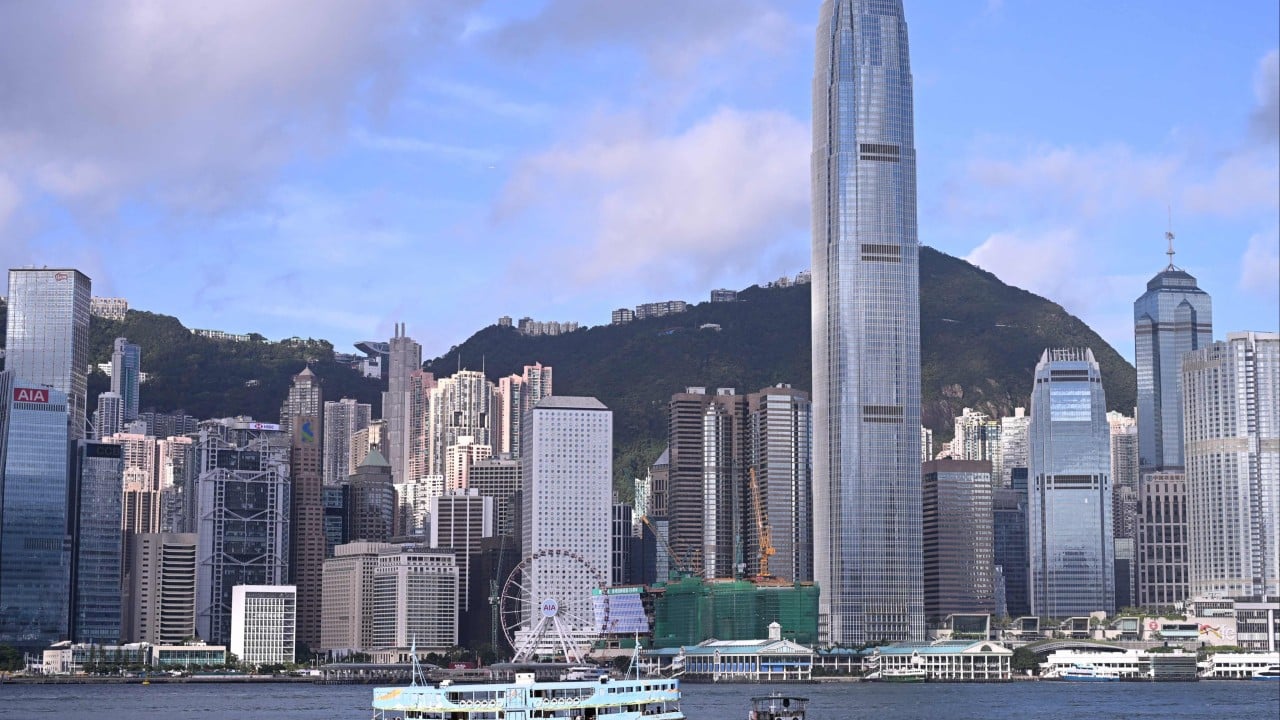
Hong Kong is rewriting its economic playbook, and honestly, it’s about time. For the first time in its modern history, the city has put forward its own dedicated five-year economic blueprint, matching up with the national 15th Five-Year Plan running through 2030. It is a massive shift in governance style. The old era of positive non-interventionism—where the government basically stayed out of the way and let the free market dictate every single win and loss—is officially over.
But a major trap lies ahead. When a government starts planning an economy after decades of laissez-faire rule, the temptation is to try to fix everything at once. The initial consultation papers look like a massive wishlist: artificial intelligence, biomedical research, green transformation, university towns, maritime logistics, and mega-infrastructure projects like the Northern Metropolis.
If Hong Kong tries to become everything to everyone, it will fail. You can't build a Silicon Valley, a global financial capital, a manufacturing powerhouse, and a cultural mecca all on a tiny outcropping of coastal rock. The secret to making this five-year blueprint work isn't discovering new industries. It's doubling down on what the city already does better than anyone else on earth.
The Free Market Anxiety
A lot of local business owners and international investors are spooked by the phrase "five-year plan." It sounds rigid. It feels like an echo of command-economy politics rather than the hyper-capitalist playground that made Hong Kong famous.
Constitutional and Mainland Affairs Secretary Janice Tse recently pushed back against this, calling the idea that Hong Kong will lose its free-market edge a total fallacy. She's right, but only if the government keeps its hands off the steering wheel of private enterprise.
Markets don't need a silent government anymore; they need a legible one. In 2026, the world is too volatile for total government detachment. Look at how Singapore directs capital or how Dubai builds industries. Strategic planning isn't communism; it's modern survival. The real risk isn't the plan itself. The risk is that the bureaucracy gets bogged down trying to pick winning tech startups instead of clearing the path for private capital to do the heavy lifting.
Stop Faking the Tech Giant Identity
Let's be real about the Northern Metropolis and the big push for innovation. The blueprint puts a massive spotlight on turning Hong Kong into an international innovation and technology hub. We hear about AI labs, microelectronics, and deep-tech research centers.
But here is what most people get wrong. Hong Kong is never going to beat Shenzhen at mass technology production or hardware iterations. Shenzhen has the factories, the supply chains, and the engineering army. Trying to replicate that across the border is a waste of capital.
Instead of trying to build the next big app or consumer drone, the five-year strategy needs to focus on the boring, highly profitable stuff: intellectual property protection, technology financing, and data commercialization. Hong Kong’s true edge isn't coding; it's the legal system. It's the common-law framework, the independent judiciary, and the open capital account.
If a mainland tech firm wants to expand globally, or a Western venture fund wants to back an Asian AI startup, they want a jurisdiction they can trust. Hong Kong should be the legal and financial safe harbor for the region's tech, not the assembly line. The division of labor in the Greater Bay Area needs to be hyper-clear: research and capital in Hong Kong, prototyping in Shenzhen, mass production in Dongguan. Anything else is just redundant clutter.
Moving Beyond Property Tycoons
For decades, the city's economic health was tied directly to land sales and soaring real estate prices. It made a few families unimaginably wealthy, but it squeezed out small businesses and created a massive housing crisis. The first five-year plan has to change this dynamic permanently.
Financial Secretary Paul Chan has dropped hints about using a "Finance+" approach to inject fresh life into the real economy. This means redirecting the vast ocean of capital sitting in Hong Kong wealth management accounts away from luxury apartments and into productive assets.
Think about gold and commodities trading, offshore Renminbi business hubs, and green bond issuances. These aren't flashy headlines, but they generate real transaction volume and high-paying professional jobs. By expanding tax concessions for carried interest and wealth management funds, the city can cement its position as the ultimate asset aggregator for Asia. Property will always be a major player here, but it can no longer be the only game in town.
The Talent Shortage is a Systemic Problem
You can build all the shiny university towns and laboratory spaces you want in the northern districts, but they will sit empty without the right people. The public consultation brought in thousands of submissions, and a huge chunk focused on education, jobs, and livelihoods.
Right now, Hong Kong is facing a tricky talent matrix. It's easy to attract mainland professionals who understand the domestic market, but international talent has been harder to retain over the last few years. The strategy shouldn't just be about hand-outs or quick visa schemes. It needs to look at systemic coherence.
People move to a city and stay there when lifestyle, professional opportunities, and long-term stability line up perfectly. If high-caliber global talent can't find international schooling for their kids or faces exorbitant living costs, they will choose Singapore or Dubai instead. The five-year plan must tie infrastructure directly to livability. It's about making the city an easy, open, and vibrant place to live, not just a high-pressure office park.
What Needs to Happen Now
If you're running a business or managing capital in Hong Kong, don't wait for the final government report to drop later this year. The direction is already clear. The public sector is taking a proactive stance, and billions will flow into connectivity projects along the border.
First, look at your cross-border compliance. If your business isn't optimized to bridge the regulatory differences between the mainland's industrial machine and Hong Kong's international legal architecture, you are missing out on the primary growth engine of the next five years.
Second, pivot toward automated and data-driven operations. The government is actively pushing AI training and upskilling across traditional sectors. Use the incoming subsidies and training frameworks to lean out your workforce and boost productivity.
The era of easy money from skyrocketing real estate is gone. The future belongs to those who use Hong Kong's classic advantages—capital fluidity, legal reliability, and global networks—to service the massive industrial shift happening right across the border. Focus on what you do best, and stop trying to build a carbon copy of someone else's success story.