Let's be honest. For years, fire safety in Hong Kong felt like a box-ticking exercise for many property owners and contractors. You'd see the occasional inspection, a dusty extinguisher here and there, and then everyone would go back to business as usual. But the tragic Wang Fuk Court fire in Tai Po last November changed the math. It was a wake-up call that the city's aging regulations weren't just outdated—they were dangerous.
On May 26, 2026, the government officially launched a one-month public consultation to overhaul the Fire Services Ordinance. We're not talking about minor tweaks. This is a massive shift in how the city handles everything from illicit fuel to the responsibility of property management firms. If you own a flat, manage a building, or work as a contractor, the rules of the game just changed.
The proposed amendments focus on six pillars designed to fix a broken system. The goal is simple: more accountability and fewer excuses.
Making management firms legally responsible
For a long time, property management companies could point fingers at owners or contractors when things went wrong. That's ending. The new proposals introduce a "responsible persons" system. Basically, if you manage or control a building, you're now legally on the hook for fire safety.
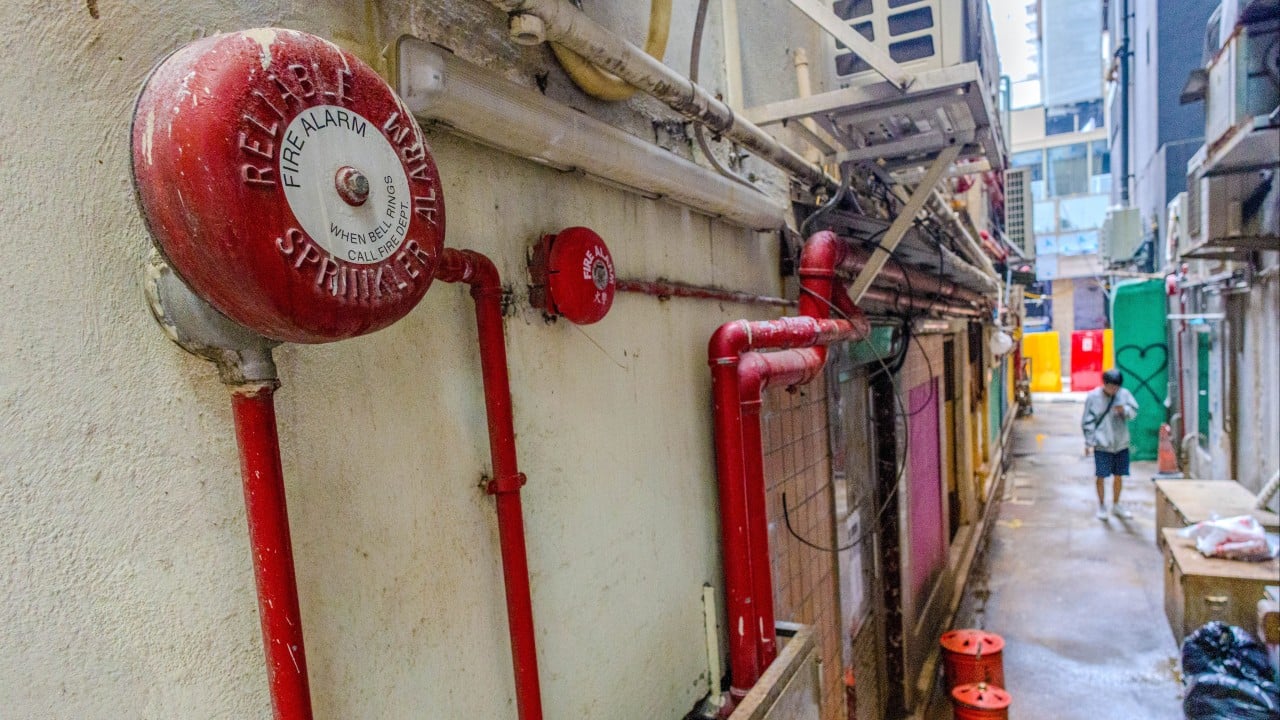
One of the biggest changes involves inspection frequency. Instead of checking fire service installations once a year, the government wants it done every six months. It's a move to ensure that pumps, alarms, and hoses actually work when someone pulls the lever.
Critics might worry about rising management fees, but Secretary for Security Chris Tang has been vocal that this shouldn't happen. Most firms are already doing these checks; the difference now is that failing to do them carries actual legal weight. If a firm gets fined for negligence, they can't just pass that bill onto the residents. They'll have to eat the cost.
No more unauthorized shutdowns
Have you ever noticed a "system under repair" sign on a fire alarm that stays up for days? Currently, contractors just have to tell the Fire Services Department (FSD) within 24 hours of shutting something down. It’s too reactive.
The new rules want a pre-approval mechanism for major shutdowns. If a contractor needs to kill the fire alarm or the hose reels for more than four hours between 11 pm and 7 am, they need to ask permission first. This forces everyone to plan better and ensures the FSD knows exactly where the "blind spots" are in the city’s fire grid at any given moment.
Cracking down on illicit fuel
Illicit fuelling in urban areas has been a ticking time bomb. We've seen vehicles catch fire in crowded neighborhoods because someone was trying to save a few bucks on "black market" fuel. The government's patience has run out.
The proposed penalties are staggering. Selling illicit fuel could now land you a HK$3 million fine and three years in prison. But here's the real kicker: for the first time, buyers are being targeted too. If you're caught buying illegal fuel, you could face a HK$1 million fine and a year behind bars. It’s a scorched-earth approach to kill the demand side of the industry.
Fixed penalties for common hazards
Nobody likes a cluttered hallway, but in Hong Kong, "missing" space often leads to residents stacking boxes or old furniture in escape routes. Under the current law, the process to fine someone for this is slow and bureaucratic.
The consultation suggests a "ticket" system for easily verifiable hazards.
- Locking a means of escape: HK$6,000 fixed penalty.
- Obstructing an escape route: HK$1,500 fixed penalty.
It works like a parking ticket. No long-winded court cases for clear-cut violations. If the inspector sees it, you pay for it. This isn't about being mean; it's about ensuring that if a fire starts at 3 am, people aren't tripping over a neighbor's shoe rack or finding a padlocked fire door.
Power to the Fire Services Department
The FSD is getting a significant upgrade in its enforcement kit. The proposal includes expanded powers to demand information, documents, and answers during investigations. This is specifically aimed at contractors and their directors.
If a contractor fakes an inspection report, the FSD won't just be looking at the technician who signed the paper. They'll have the power to go after the partners and directors of the firm. It’s about stopping the "shell company" culture where firms vanish and reappear under a new name after a safety scandal.
What happens to the three-nil buildings
The "three-nil" buildings—those without owners' corporations, resident groups, or management firms—are the hardest to fix. They're often the most at risk. To tackle this, the government is leaning on District Council fire safety committees to organize drills and provide more direct support.
There’s also a push for digital tools. Using AI and cloud-based systems for paperwork might sound like tech-speak, but it's vital for a department that's stretched thin. The goal is to spend less time on stamps and signatures and more time on the ground inspecting old tenement blocks.
The consultation period ends on June 25, 2026. The government wants to get this bill to the Legislative Council before the end of the year. If you live or work in Hong Kong, you've got a month to voice your opinion.
Start by checking your building’s current inspection certificates. If they're more than six months old, you're looking at the future of your property's compliance. Talk to your management office now. Ask them how they're preparing for the "responsible persons" designation. If you're an owner in a "three-nil" building, contact your local District Council member to see what support is available before the new fines kick in. Fire safety isn't someone else's problem anymore. It's yours.