Every Saturday morning for the past fifteen years, Chrystal Santos has watched the front door of the Bow & Barrel Sportsmen Center in Missouri. She watches the way people walk in. She notices if a customer looks nervously toward a parked car outside, or if a companion breathes instructions over their shoulder. It is an intuitive, deeply human radar.
This radar is the invisible infrastructure of American public safety. When someone tries to buy a firearm for a person who isn't legally allowed to own one—a tactic known as a straw purchase—it is the local gun shop owner who spots the twitch, the hesitation, or the shifty glance, and says no.
Now, a quiet but seismic bureaucratic shift aims to replace that human intuition with an algorithm. And it has placed the son of the President of the United States at the absolute center of a fierce national debate.
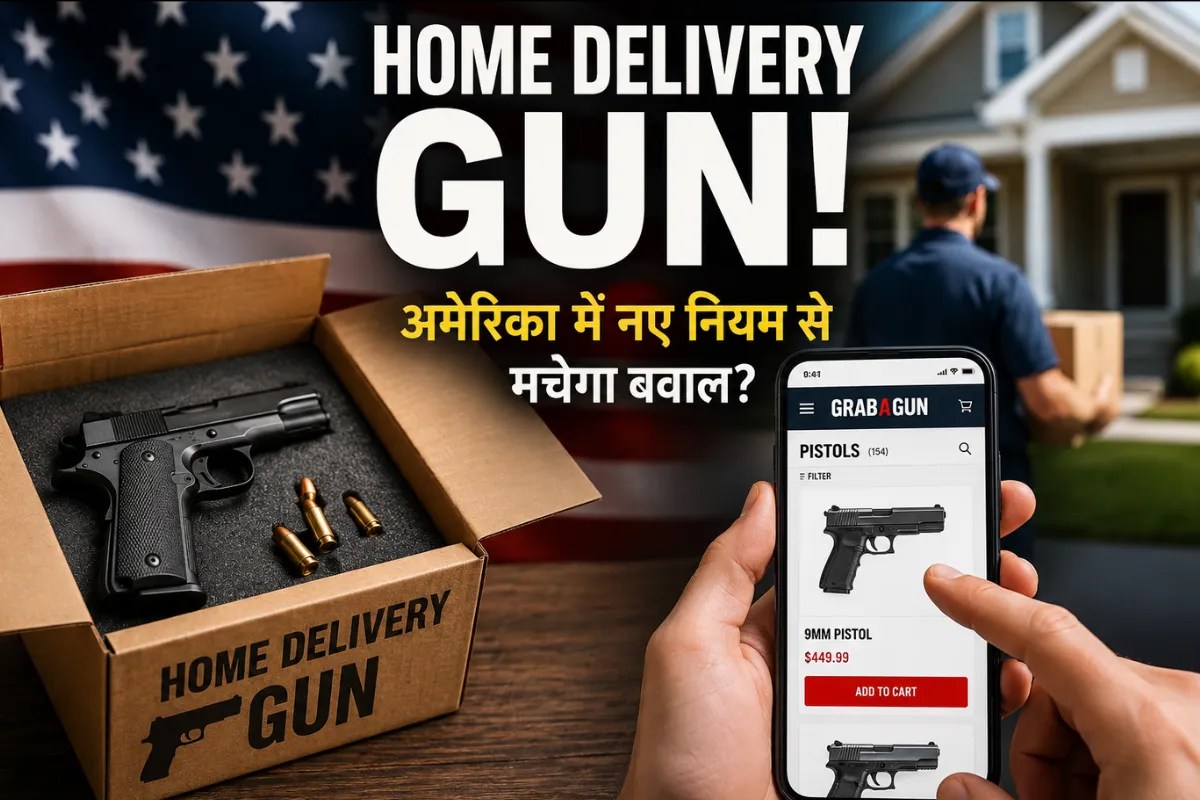
The Bureau of Alcohol, Tobacco, Firearms and Explosives has proposed a rule change that would allow licensed dealers to ship firearms directly to a buyer’s doorstep. For the first time in modern American history, the entire handgun acquisition process could happen without the buyer ever stepping into a physical store. No awkward eye contact. No human vetting. Just a package on a porch.
The ATF calls it modernization. Critics call it a disaster waiting to happen.
To understand how we arrived at this flashpoint, look back to the floor of the New York Stock Exchange. Donald Trump Jr. stood under the banners of GrabAGun, a Texas-based online firearms retailer dubbed the "Amazon of guns." Trump Jr. didn't just endorse the company; he helped take it public, securing a seat on its board of directors and accumulating 300,000 shares of stock.
When the opening bell rang, the ambition was clear: build a parallel economic empire fueled by Second Amendment enthusiasm. But Wall Street can be brutal. Over the subsequent months, the stock cratered, wiping out millions in value and leaving Trump Jr.’s stake worth a fraction of its peak.
Then came the lifeline. Following a sweeping presidential executive order to loosen gun restrictions, the ATF introduced 34 deregulatory measures. Tucked inside that bureaucratic package was the proposal for home delivery.
Suddenly, GrabAGun was perfectly positioned to capture a massive new market. The ATF itself estimates that nearly half of all gun buyers—about 3.3 million people a year—would immediately abandon brick-and-mortar stores for the convenience of home shipping. For an online giant built for volume, it is a potential financial windfall. For the President's son, it represents a massive rebound on his investment.
The optics are devastating. Ethics watchdog groups have sounded the alarm, pointing to a blatant red flag where administration policy directly intersects with family profit. Both the White House and spokespeople for Trump Jr. have issued swift denials, stating he had zero involvement in the policy and operates purely as a private businessman. The ATF’s chief counsel claimed he didn't even know about the family connection until reporters started asking questions.
But the real problem lies elsewhere, far away from the corporate boardrooms and political noise.
Consider what happens when a package contains a lethal weapon instead of household goods. The proposed rule mandates online identity checks, background screenings, and a seven-day waiting period. On paper, it looks like a digital fortress.
But digital fortresses don't see who is standing behind the computer screen. They don't see the abusive ex-partner forcing a signature, or the straw buyer getting paid cash in a driveway to type in their social security number. They don't account for the neighborhood mail thief who follows delivery trucks, looking for boxes left unattended on front steps.
National gun-control advocates note that the physical gun store has historically been the first line of defense. By removing the counter, you remove the gatekeeper.
Small business owners are equally terrified, though for a mix of safety and survival. Local shops rely heavily on the nominal fees they charge to process in-person background checks for online transfers. If the ATF bypasses them entirely, thousands of small, family-owned storefronts across rural and suburban America could face financial ruin. They are being squeezed out by the very parallel economy built in their name.
The public comment window has closed, and the country now waits for a final decision that could reshape the American landscape by early next year. The choice isn't just about corporate ethics or the financial fortunes of a president's son. It is a fundamental question about how we value human scrutiny in an increasingly automated world.
We are testing whether the convenience of a doorstep delivery is worth losing the cautious glance of a shopkeeper who knows exactly when to say no.