The moon doesn't care about your office calendar. While most of the world operates on the rigid predictability of the Gregorian system, millions of people across the UAE, Saudi Arabia, Kuwait, Qatar, and Bahrain are currently looking at a floating target for their biggest holiday of the year. We’re talking about Eid Al Fitr 2026. If you're trying to book a flight or snag a hotel deal in Dubai or Riyadh right now, you've probably noticed the ambiguity. It's frustrating. You want a hard date, but the lunar cycle isn't giving you one just yet.
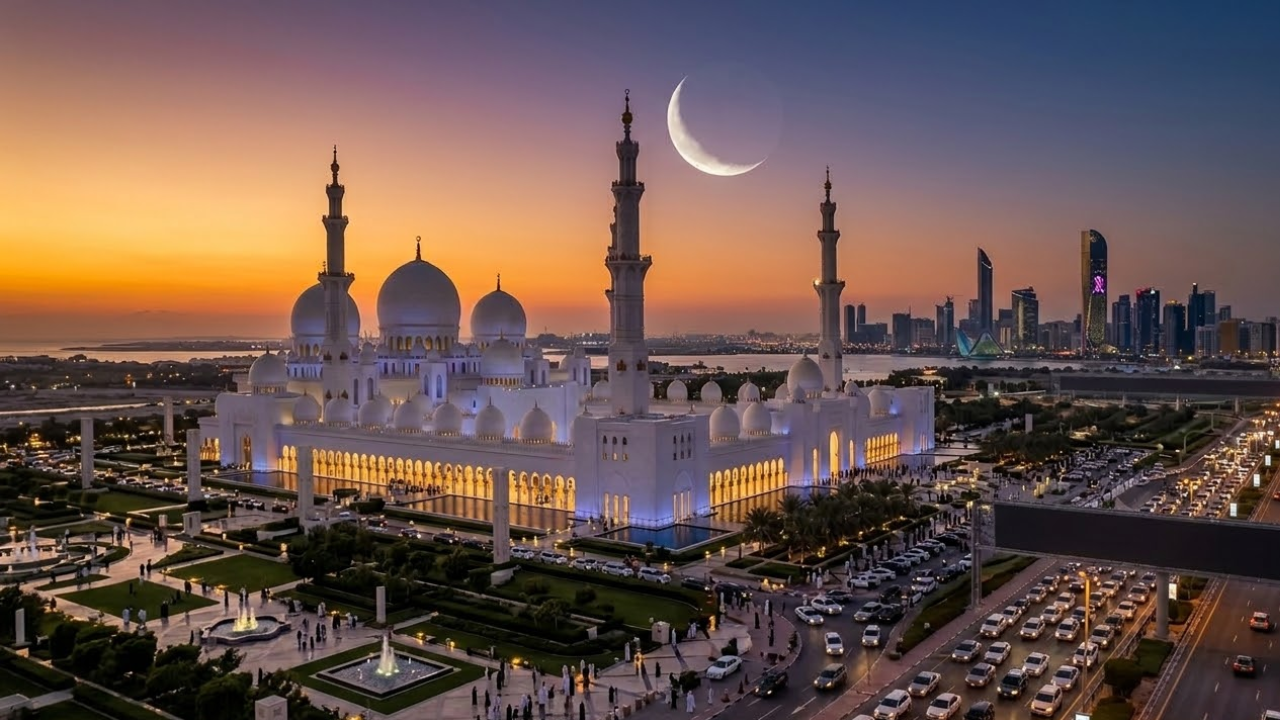
Based on astronomical calculations, Eid Al Fitr 2026 is expected to begin on or around March 20, 2026. This date marks the end of Ramadan, the holy month of fasting. But there's a catch that travelers and residents often ignore until the last minute. The official start depends entirely on the sighting of the new crescent moon. This isn't just a quaint tradition. It’s a legal and religious requirement that dictates when government offices shut down and when the private sector gets a break.
Why the Moon Sighting Committees Hold All the Power
In countries like Saudi Arabia and the UAE, specialized moon-sighting committees gather on the 29th day of Ramadan. They use high-powered telescopes, but they also rely on the naked eye. If they see the sliver of the new moon, Eid starts the next day. If they don't, Ramadan lasts 30 days.
This creates a "bridge" day that can flip your three-day weekend into a five-day extravaganza. For 2026, the astronomical data suggests Ramadan will likely be 29 days. This places the first day of Shawwal—the month of Eid—on Friday, March 20. If the moon remains hidden, we’re looking at Saturday, March 21.
Don't bet your entire vacation budget on a Friday start without a flexible booking. I’ve seen countless expats lose money on non-refundable brunch bookings because they assumed the "predicted" date was a "guaranteed" date. It isn't.
Breaking Down the Holiday Expectations by Country
Each Gulf nation handles its public holiday announcements slightly differently, though they usually coordinate to stay in sync.
In Saudi Arabia, the Ministry of Human Resources and Social Development usually grants a four-day break for the private sector. The public sector often gets longer, sometimes up to a week. For 2026, if Eid falls on a Friday, expect the Kingdom to buzz with events starting Thursday night.
The UAE follows a specific protocol where the Federal Authority for Government Human Resources (FAHR) announces dates for the public sector, and the Ministry of Human Resources and Emiratisation (MoHRE) handles the private sector. Usually, they unify these dates to ensure everyone enjoys the festivities. If March 20 is the start, you're likely looking at a holiday that stretches from Friday through Monday.
Qatar, Kuwait, and Bahrain typically follow suit. Kuwait is known for being quite generous with "bridge" days if a holiday falls near a weekend. If Eid starts on a Friday in Kuwait, don't be surprised if the Sunday is also declared a holiday to give people a proper rest.
Common Mistakes When Planning for Eid 2026
The biggest blunder? Trusting your phone's default calendar. Most digital calendars use a fixed lunar algorithm that doesn't account for the actual local sighting.
Another mistake is underestimating the "Eid Rush." In the UAE and Saudi Arabia, the 48 hours before Eid are chaos. Malls are packed. Tailors are overwhelmed. If you need a new outfit or specific groceries, get them done by March 15. By the 18th, you’ll be stuck in traffic for hours.
Prices also spike. It’s a basic supply and demand issue. Hotels in hotspots like Ras Al Khaimah or Jeddah see prices double for the Eid weekend. If you haven't booked by January 2026, you're going to pay a premium.
What to Expect on the Ground
Eid Al Fitr isn't just about the end of fasting. It’s a total shift in the atmosphere. The "Ramadan Kareem" greetings change to "Eid Mubarak."
- Morning Prayers: The day starts early, around 6:00 AM, with special prayers at large outdoor "Musallas" and mosques. The energy is infectious.
- Family Feasts: This is the heart of the holiday. Expect heavy, traditional meals. In the Gulf, this often involves Ouzi (lamb with rice) and an endless supply of dates and Arabic coffee.
- Eidiya: This is the practice of giving money to children. If you’re visiting a local family, having some crisp, new banknotes on hand is a pro move.
- Fireworks: Cities like Dubai and Doha go all out. The displays at Bluewaters Island or the Corniche are world-class.
Strategic Planning for the March 2026 Window
Since March 2026 offers relatively mild weather compared to the blistering summer months, this Eid will be an outdoor affair. This means parks and beaches will be at capacity.
If you're a business owner, start planning your staffing levels now. Most of your team will want this time off. If you're an employee, get your leave requests in early, but acknowledge the "subject to moon sighting" clause in your plans.
Keep a close eye on the official news agencies like WAM (UAE), SPA (Saudi Arabia), and KUNA (Kuwait). They are the only sources that matter when the 29th of Ramadan arrives. Ignore the rumors on social media. Every year, "fake news" about the moon being sighted early spreads like wildfire on WhatsApp. Wait for the official decree.
Check your passport validity now if you plan to travel between these countries during the break. Border crossings between Saudi and the UAE can get backed up. Flying is faster, but even airports like DXB and Riyadh King Khalid International will be operating at peak capacity. Give yourself an extra three hours. Seriously.
Sign up for alerts from the local ministries. Download the government apps. When that notification hits your screen on the evening of the 29th of Ramadan, you'll know exactly when the party starts.