The European Union is finally building a strategic reserve of critical raw materials, and it is focusing the first phase on tungsten, rare earths, and gallium. If you watch global supply chains, this announcement shouldn't surprise you. Europe imports nearly all of its heavy rare earths from China. It relies on Chinese companies for most of its gallium.
But stockpiling these specific metals feels like preparing for the last war instead of planning for the next one.
Brussels wants to protect European manufacturers from sudden export bans or geopolitical pressure. The Critical Raw Materials Act set clear targets. By 2030, the bloc needs to extract 10% and process 40% of its strategic materials internally. This new stockpile is the financial floor meant to support those goals.
The strategy has a massive blind spot. Buying up crates of tungsten or bars of gallium doesn't fix the underlying problem. Europe lacks the industrial capacity to turn raw minerals into high-value components. If China cuts off refined magnets, having a pile of raw neodymium in a warehouse in Belgium won't keep the wind turbine factories running.
The Three Elements Dominating the New European Reserve
Let's look at what the EU is actually buying. The selection of tungsten, rare earths, and gallium reflects immediate vulnerabilities.
Tungsten is dense, incredibly hard, and boasts the highest melting point of all metals. You can't make military-grade ammunition, drilling equipment, or automotive cutting tools without it. China controls over 80% of global tungsten production. European aerospace giants like Airbus and defense contractors like Rheinmetall rely on steady access to this metal every single day.
Rare earth elements, specifically neodymium and dysprosium, are the backbone of permanent magnets. These magnets go into electric vehicle motors and defense electronics. While countries like Australia and the United States are spinning up mining projects, China still owns the refining infrastructure.
Gallium is the wildcard. In 2023, Beijing restricted gallium exports, which sent shockwaves through the semiconductor sector. Gallium arsenide wafers are essential for 5G telecom networks, radar systems, and microchips. By putting gallium in the first stockpile wave, the EU is reacting directly to that policy squeeze.
Why Processing Matters More Than Piles
Industrial experts know that mining is only step one. The real choke point is refining and metallurgy.
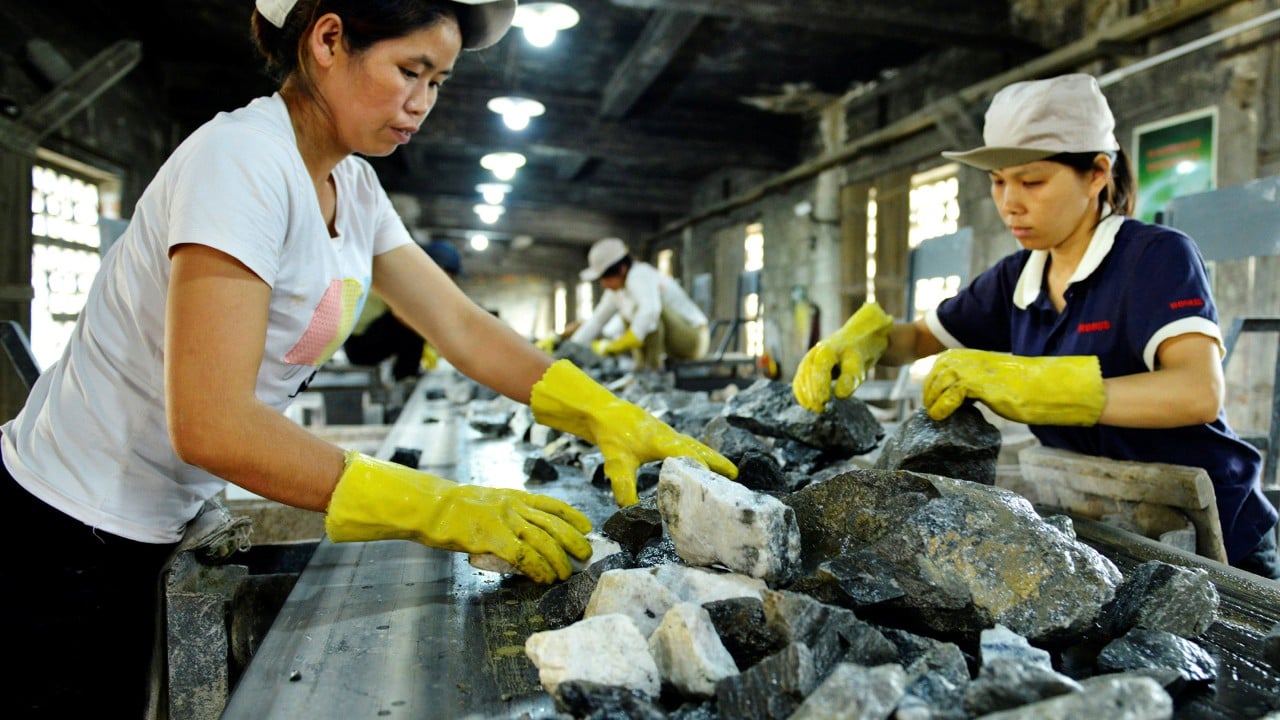
Think about the magnet supply chain. You mine the ore. You crush it. Then you use highly toxic chemical baths to separate the individual rare earth elements. After that, you reduce the oxides into metals, alloy them with iron and boron, and magnetize them.
Europe can buy all the raw rare earth oxides it wants. But it has almost no capacity to convert those oxides into metals and magnets at scale. If a supply crisis hits, European companies will hold raw materials they cannot process. They will have to ship their stockpiled reserves to Asian processors just to buy back the finished magnets. It's a bizarre loop that undermines the entire concept of strategic autonomy.
The Economic Reality of State-Backed Hoarding
Government stockpiles alter market dynamics. When a massive buyer like the EU enters the market to build a reserve, prices go up.
This creates a dilemma for private buyers. European chemical companies and component manufacturers operate on thin margins. If EU procurement drives up the spot price of gallium or tungsten, European businesses suffer first. They face higher input costs while their American or Asian competitors might source materials through different, cheaper channels.
EU Stockpile Plan vs Market Reality
- Targeted Minerals: Tungsten, Rare Earths, Gallium
- Main Supplier: China (controls 80%+ of processing)
- Intended Benefit: Supply shock insurance for EU factories
- Unintended Risk: Market price inflation for domestic buyers
We saw this happen during historic commodity spikes. When governments hoard, the private sector panics and overbuys. This creates artificial shortages. The EU needs to manage its buying program with extreme caution to avoid hurting the very industries it wants to shield.
How to Protect Your Supply Chain Beyond Government Piles
You can't rely on Brussels to save your business from a supply chain crunch. The EU stockpile is designed to protect macro-economic stability and defense sectors, not mid-sized manufacturers. Companies must take independent action.
First, audit your sub-tier suppliers. Most procurement managers know their direct suppliers. Few know where those suppliers get their raw materials. If your German component vendor buys processed tungsten components from a supplier that relies entirely on a mine in Hunan, you are exposed.
Second, redesign for substitution. This is difficult but necessary. Automotive engineers are actively looking for ways to build EV motors that use fewer rare earths or skip them entirely by using induction motors. It comes with a weight and efficiency penalty, but it eliminates geopolitical risk.
Third, lock in long-term off-take agreements with emerging producers. New mining projects are developing in northern Europe, Canada, and Africa. These projects need guaranteed buyers to secure financing. By signing multi-year purchasing agreements now, you help build the alternative supply chain you will need five years down the road.
The EU stockpile is a useful emergency brake. But an emergency brake won't steer the car. True supply security requires domestic refining capacity, smart product engineering, and diversified commercial partnerships that bypass global monopolies entirely.