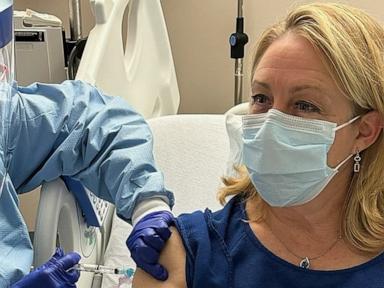
We used to treat cancer only after it arrived. That approach is failing. Scientists are now testing vaccines designed to intercept brewing colon cancer before it takes root in the body.
If you've followed oncology news lately, you know the paradigm is shifting toward prevention. Colorectal cancer remains a leading cause of cancer deaths worldwide, and standard screenings like colonoscopies, while life-saving, only catch polyps after they form. Vaccines offer a fundamentally different strategy. They train your immune system to hunt down mutated cells before they ever turn into tumors.
The Shift From Treatment to Interception
Waiting for a mass to grow on a routine scan feels like an outdated medical strategy. Researchers at institutions like MD Anderson and the University of Pittsburgh are testing immunotherapies that act as biological tripwires.
Take Lynch Syndrome, a hereditary condition that drastically spikes a person's lifetime risk of developing colorectal and other cancers. Recent clinical trials evaluated an off-the-shelf vaccine called NOUS-209. Instead of treating active tumors, this vaccine trains T cells to recognize specific frameshift mutations that occur early in the disease process.
The results are striking. Patients developed robust T-cell responses that actively targeted abnormal tissue. A year after treatment, clinical evaluations showed fewer precancerous lesions and zero new advanced polyps in participants.
How These Vaccines Actually Work
You might wonder how a vaccine can stop a tumor when you don't even have cancer. It comes down to spotting rogue proteins.
In normal tissue, cellular proteins maintain a predictable structure. When mutations brew, cells start expressing abnormal proteins or altered versions of self-proteins, such as MUC1 or mutated KRAS variants.
- Targeting Neoantigens: Vaccines introduce specific molecular flags to your immune system.
- Activating T Cells: CD4 helper cells and CD8 killer cells learn to recognize those exact flags.
- Clearing Precursor Lesions: Armed T cells patrol the colon lining, destroying mutated cells before an adenoma forms.
This isn't about curing stage-four disease. It is about stopping the biological machinery of cancer while it is still invisible to standard imaging.
The Hurdles Standing in the Way
Science moves fast, but human biology is stubborn. Immunotherapy faces major roadblocks, primarily immune suppression.
When researchers tested anti-adenoma vaccines like those targeting MUC1, they noticed a clear divide. Some patients generated powerful immune responses, while others saw little effect. Why? Because established polyps and local tissue environments often deploy immunosuppressive tactics to turn off the immune system.
Overcoming this requires clever timing. You have to vaccinate patients before suppressor cells take over, or combine the vaccines with agents that clear out local immune blockades. Clinical trials are actively adjusting protocols to fix this gap.
What This Means for High-Risk Patients First
Universal vaccines for every healthy adult are still years away. High-risk groups will see these therapies long before anyone else.
If you carry hereditary mutations like Lynch Syndrome or have a history of recurring advanced adenomas, regular colonoscopies are currently your main defense. These invasive procedures find polyps, but they don't stop new ones from growing back next year. Therapeutic vaccines aim to fill that exact gap.
Talk to your gastroenterologist or an oncologist about ongoing clinical trials if you manage a high-risk hereditary condition. Keep your routine screenings scheduled. Medical interception is arriving, but staying ahead of the curve means utilizing every tool available right now.