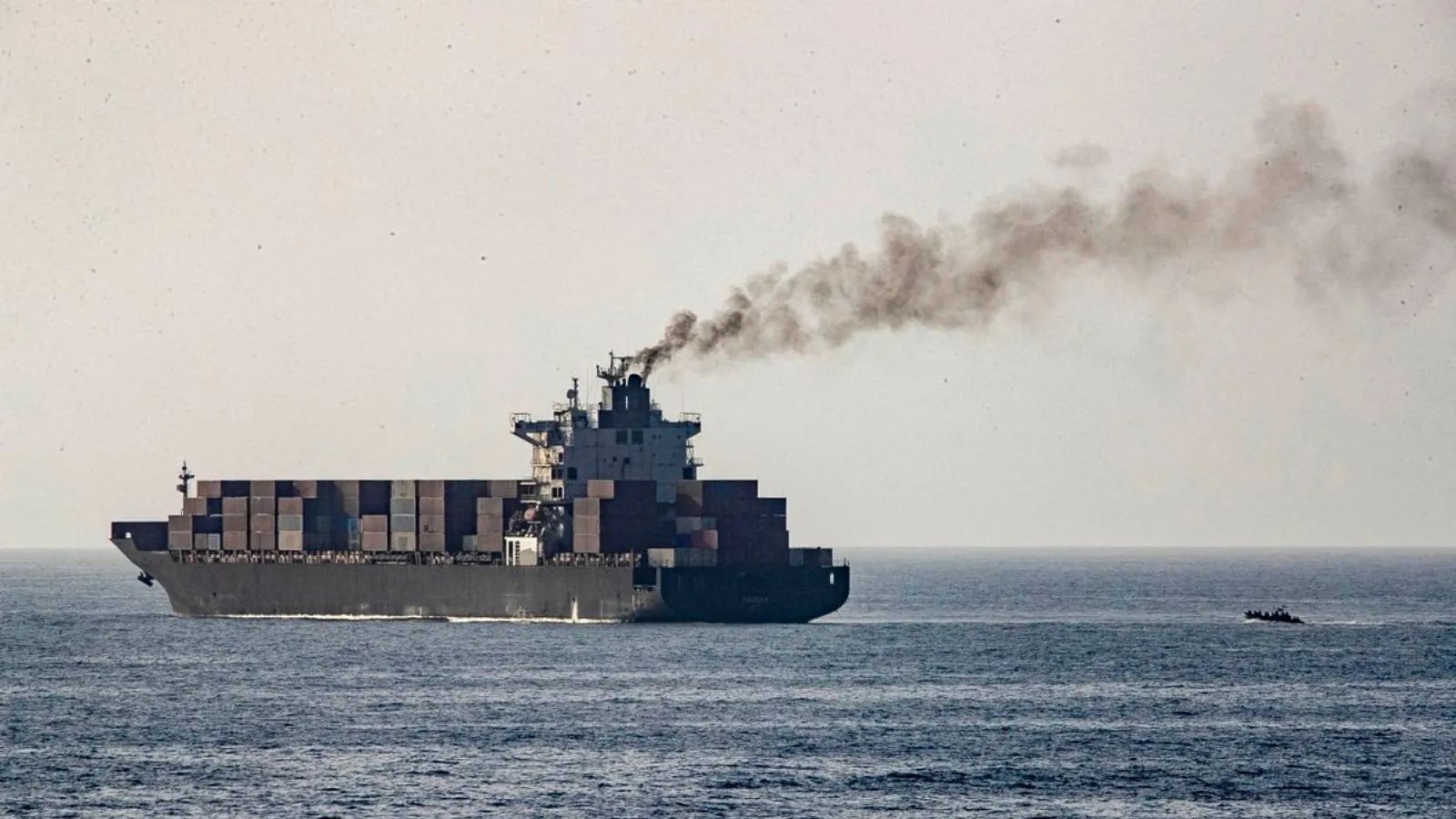
The steel hull of a commercial tanker vibrates with a rhythm that becomes a second heartbeat to anyone on board. It is the steady, reassuring thrum of a twenty-thousand-ton vessel carrying millions of gallons of fuel across an ocean. But when that rhythm is shattered by the crack of tracer fire, the world shrinks to the size of a bridge wing.
On July 5, 2023, the crews of two different oil tankers—the TRF Moss and the Richmond Voyager—found out just how quickly a routine voyage can turn into a geopolitical flashpoint.
The Strait of Hormuz is a narrow, hook-shaped stretch of water separating Iran from the Arabian Peninsula. At its narrowest point, it is only 21 miles wide. Yet, through this single maritime artery flows roughly a fifth of the world’s petroleum consumption. It is the most critical oil chokepoint on the planet. For the seafarers navigating these waters, the strait is not a line on a map or an abstract talking point in a Washington boardroom. It is a high-stakes gauntlet where a single miscalculation can spark an international crisis.
Imagine standing on the bridge of the Richmond Voyager. (While we cannot know the exact internal thoughts of the crew that morning, historical naval logs and sailor testimonies paint a vivid picture of what these encounters feel like). The radar screen shows a fast-moving blip. Then another. Iranian naval vessels are closing in, demanding that the massive, slow-moving tanker alter its course and halt in international waters. When the captain refuses, the response is not a diplomatic protest. It is gunfire. Bullets strike the hull, sparking against the steel, just meters away from crew quarters.
This is the reality of the shadow war in the Persian Gulf. It is a place where cold statecraft meets raw, human terror.
The Mirage of the Master Plan
To understand why bullets were flying in the strait, we have to look beyond the immediate panic of those crews. We have to look at the fraying threads of international diplomacy. For months, diplomats in Vienna, Washington, and Tehran had been engaged in a delicate dance. They were attempting to salvage what remained of the 2015 nuclear deal, formally known as the Joint Comprehensive Plan of Action.
The logic of the deal was simple: Iran would curb its nuclear program in exchange for the lifting of economic sanctions that had crippled its economy.
But agreements made in air-conditioned rooms often evaporate under the heat of political reality. The United States had walked away from the deal under a previous administration, reimposing crushing sanctions. Iran responded by steadily advancing its uranium enrichment capabilities. By mid-2023, an informal, unwritten "understanding" was reportedly being negotiated. It was a fragile truce designed to lower the temperature—Iran would pause its nuclear advancements, and the US would allow some frozen Iranian funds to be released.
Then the shooting started.
Why would Tehran risk a potential diplomatic breakthrough by firing on commercial ships? The answer lies in the brutal, transactional nature of leverage.
Iran uses its geographical dominance over the Strait of Hormuz as a lever. Every time economic pressure on Tehran increases, or whenever diplomatic talks stall, the friction manifests in the water. By threatening the free flow of global oil, Iran signals to the West that a policy of total economic isolation carries a heavy cost for everyone. If Iran cannot export its oil freely due to sanctions, it creates a reality where no one else’s transit is entirely safe either.
The Invisible Stakes of Your Morning Commute
It is easy to view these maritime skirmishes as distant events, isolated incidents happening to people we will never meet, in a place we will never visit. That is an illusion.
The global economy is built on a foundation of predictable logistics. When an Iranian naval vessel fires on a tanker, insurance companies in London immediately reassess their risk profiles. War risk premiums skyrocket. The cost of shipping a single barrel of crude climbs.
Consider what happens next: Those increased shipping costs ripple through the global supply chain. They find their way into the price of diesel used by trucks delivering groceries to your local supermarket. They alter the price of consumer goods, plastics, and electronics. The bullets fired in the Strait of Hormuz are paid for, in fractions of a cent, by every consumer at a gas pump or a grocery checkout line thousands of miles away.
The US Navy’s Fifth Fleet, based in Bahrain, intercepted the distress calls from the TRF Moss and the Richmond Voyager. They dispatched the USS McFaul, a guided-missile destroyer. The moment the American warship arrived on the scene, the Iranian vessels backed off.
It was a tactical victory for maritime security, but a stark reminder of the underlying volatility. The presence of grey hulls and naval cannonry is the only thing keeping the global economy's vital artery open.
The Human Cost of a Stalled Pen
Behind the corporate logos of the shipping conglomerates and the grand strategies of nation-states are the actual people caught in the middle. The vast majority of merchant mariners are civilians from developing nations—the Philippines, India, Ukraine. They do not have a say in international treaties. They do not profit from geopolitical posturing.
Yet, they are the ones who find themselves peering through binoculars at approaching gunboats, wondering if today is the day an international incident turns fatal.
The escalations in the gulf are a symptom of a deeper, systemic failure. When formal channels of communication break down, states resort to asymmetric actions to make their voices heard. The danger is that deterrence is a razor-thin tightrope. A single stray round, a panicked response from a merchant crew, or an overcorrection by a naval commander could transform a tense standoff into an open conflict.
The diplomacy surrounding Iran's nuclear ambitions is often critiqued as a theoretical debate about centrifuges, enrichment percentages, and sanction waivers. But the events of July 2023 proved that the stakes are immediate, tangible, and wet.
The thrum of the tanker engine continues, but the silence between the heartbeats is louder now, filled with the knowledge of how easily the peace can be broken.