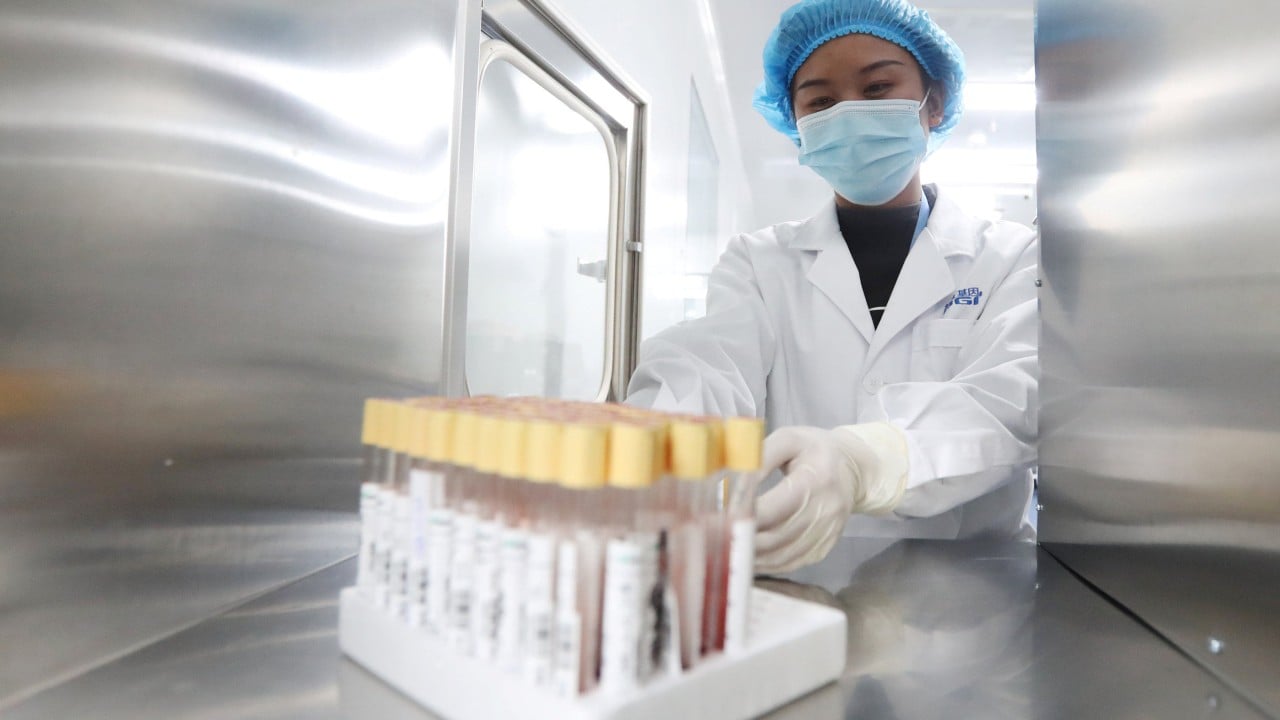
Finding out what is wrong with a sick child can take years. For families dealing with rare genetic conditions, the diagnostic Odyssey usually involves endless doctor visits, misdiagnoses, and mounting medical bills. Medical infrastructure traditionally struggles with this burden because individual rare diseases affect tiny portions of the population, yet thousands of distinct conditions exist.
Chinese researchers and medical institutions are trying to alter that reality. They have rolled out advanced open-access diagnostic models, including tools like DeepRare developed by a team at Xinhua Hospital and Shanghai Jiao Tong University, alongside platforms like PUMCH-GENESIS. These systems let physicians and patients evaluate complex symptom patterns and genetic data without paying exorbitant software licensing fees.
You might wonder how a computer program can solve a problem that humans spend decades studying. The secret isn't just raw computing power. It is about how the architecture handles clinical uncertainty.
Moving Beyond the Black Box
Most artificial intelligence in healthcare suffers from an trust deficit. Programmers feed data in, an answer pops out, and doctors are left trusting an invisible black box. That does not work when human lives hang in the balance. A clinician cannot prescribe a heavy intervention based on a hunch from a server farm.
Newer frameworks built by Chinese medical teams operate differently. Systems like DeepRare utilize an agentic architecture. Instead of instantly spitting out a single diagnosis, the software mimics human reasoning. It breaks down symptoms, cross-references global medical repositories, flags missing information, and constructs an explicit chain of evidence.
When clinicians test these models against standard clinical cases, the results shatter old benchmarks. Without genetic sequencing data, relying solely on text descriptions of physical symptoms, the system reaches top-tier diagnostic accuracy scores that far surpass legacy bioinformatics software. Toss in whole-exome sequencing data, and the accuracy climbs past 70 percent on complex test sets, beating established tools like Exomiser.
Why Free Access Changes the Economics of Medicine
Proprietary medical software costs a fortune. Hospitals in wealthy urban centers buy expensive licenses, while rural clinics make do with guesswork. By making these diagnostic tools freely available or accessible through public web applications like raredx.cn, the developers are removing financial gatekeepers.
Think about a primary care physician working in a remote province. They might see a child with developmental delays once every five years. Without specialized genetics training, recognizing syndromes like Rett or Angelman is nearly impossible. Giving that physician free access to an AI copilot that translates unstructured symptom notes into structured medical ontology terms changes everything. It bridges the gap between local clinics and elite medical research centers.
The strategy relies heavily on localized data sets too. Models like PUMCH-GENESIS incorporate demographic characteristics specific to local populations, which matters because genetic variants can present differently depending on background ancestry. Generic Western models often miss these nuances.
The Reality Check on Clinical Adoption
Free software does not mean instant perfection. Medical professionals still harbor valid skepticism toward automated diagnostics. If an algorithm hallucinates a rare immune disorder, the consequences can be devastating.
To combat this, the engineering teams focused heavily on interpretability. Every suggestion comes paired with traceable medical literature references. Doctors can click through the logic, verify the source studies, and decide whether the computational reasoning holds water. Manual audits by independent physicians show high agreement rates with the system's intermediate logic paths, but human oversight remains mandatory.
Technology cannot replace a physical exam or a doctor's intuition. It acts as an aggressive filter, narrowing down thousands of possibilities so specialists can focus their attention where it counts.
If you or someone you care about is caught in an endless diagnostic loop, keep an eye on these open-access platforms. Ask your care team if they use automated phenotype-matching tools to cross-reference international case reports. Medical transparency is expanding, and the tools to decode complex biology are finally moving out from behind corporate paywalls.
PUMCH-GENESIS AI Model for Rare Disease Diagnosis Overview
This video provides an overview of how China's PUMCH-GENESIS platform functions to analyze complex genetic symptoms and speed up rare disease identification in clinical settings.


