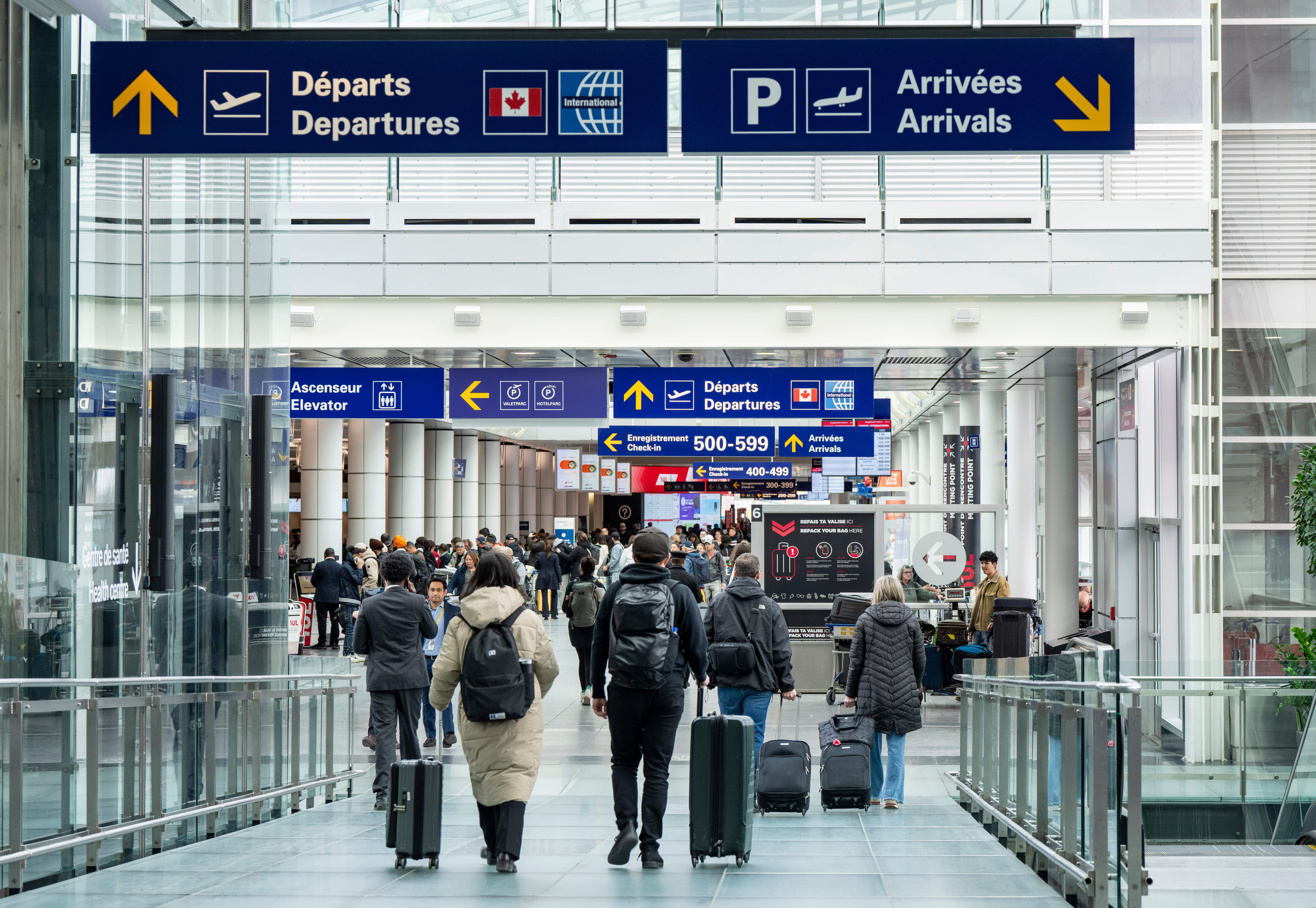
Your next flight out of Pearson or Trudeau might eventually be managed by a private equity firm instead of a non-profit board. Transport Minister Steven MacKinnon confirmed this week that the federal government is officially in the "early stages" of talks about privatizing Canada's major airports. It's a massive shift in how we think about public infrastructure. Right now, our airports operate under a "user-pay" model where local, non-share capital authorities run the show. They don't make a profit for shareholders; they reinvest every cent back into the runways and terminals. But the government's looking for a way to "unlock value," which is basically political code for finding a big pile of cash to fund other things.
The Problem With the Status Quo
Most people don't realize that the Canadian government doesn't actually fund our big airports. In fact, it's the opposite. The federal government collects "rent" from these airport authorities—a staggering $6.5 billion since 1992. It's a weird setup. The airports do all the heavy lifting, take on all the debt for upgrades, and still have to cut a check to Ottawa every year.
If you've noticed your "Airport Improvement Fee" creeping up on your ticket, that's why. The current authorities are drowning in debt from the pandemic and need billions more for future expansions. If the government stops charging rent and lets private investors take over, that immediate capital could solve a lot of budget headaches in Ottawa.
What Private Ownership Actually Changes
When a private equity fund or a pension plan buys an airport, their goals change. They want efficiency. Data shows that privatized airports often see a 20% increase in passengers per flight and significantly higher overall traffic. They're better at building new terminals quickly because they aren't bogged down by the same bureaucratic hurdles.
But there's a catch. Private owners need to make a profit. That usually means:
- Higher fees for airlines to use the gates.
- More expensive parking and retail inside the terminal.
- A push for "premium" experiences that cost extra.
MacKinnon was quick to point out that airports are still a "public good." He’s trying to walk a tightrope here. He wants the investment and the efficiency, but he knows Canadians will lose it if their regional flight to Regina starts costing as much as a trip to London because of privatized fee hikes.
Why Pension Funds are Circling
Canadian pension funds are some of the most sophisticated infrastructure investors on the planet. They own airports in London, Brussels, and Copenhagen. Ironically, they invest more in European infrastructure than they do at home. Why? Because until now, Canada hasn't offered them anything "de-risked" enough to buy.
Airports are perfect for them. They're already built. They have a captive audience. People have to fly. For a pension fund looking for steady returns over 30 years, an airport is basically a money-printing machine. The "Carney government" (as some are calling the current economic direction) sees this as a pillar of a nation-building agenda. By selling off these "mature" assets, the government can "recycle" that capital into high-risk projects like green energy or trade corridors that private investors won't touch yet.
The Real Cost to Passengers
Let’s be honest about the trade-off. Privatization isn't a magic wand. If a private firm pays billions for the right to run Vancouver International, they aren't doing it out of the goodness of their hearts. They’re going to get that money back from you.
Research suggests that while flight cancellations might go down under private management, the base cost of flying often goes up. We already have some of the highest domestic airfares in the world. Adding a profit margin on top of the airport operations isn't going to help your wallet.
What Happens Next
Don't expect things to change overnight. These "early stage" talks involve NAV Canada, the Canadian Air Transport Security Authority, and individual airport authorities. They have to figure out if they’re selling the land entirely or just doing long-term leases (public-private partnerships).
If you're tracking this, watch for the formal report promised in the 2026-2027 Departmental Plan. That's where the real "how-to" of this sale will be buried. Until then, keep an eye on those airport improvement fees. They're the first sign of which way the wind is blowing. If you’re a frequent flyer, start looking into rewards programs now, because the era of "cheap" Canadian travel—if it ever existed—is likely moving further into the rearview mirror.
Sign up for federal budget alerts and watch the Transport Canada policy statements. The shift from "local control" to "private profit" is a one-way street; once these assets are sold, they aren't coming back.