The metal tube of a commercial aircraft is a masterclass in spatial efficiency. Every millimeter is calculated to maximize revenue, from the pitch of the seats to the width of the aisles. But for a traveler who cannot walk, that hyper-optimized space feels less like a marvel of engineering and more like a gauntlet designed to strip away dignity.
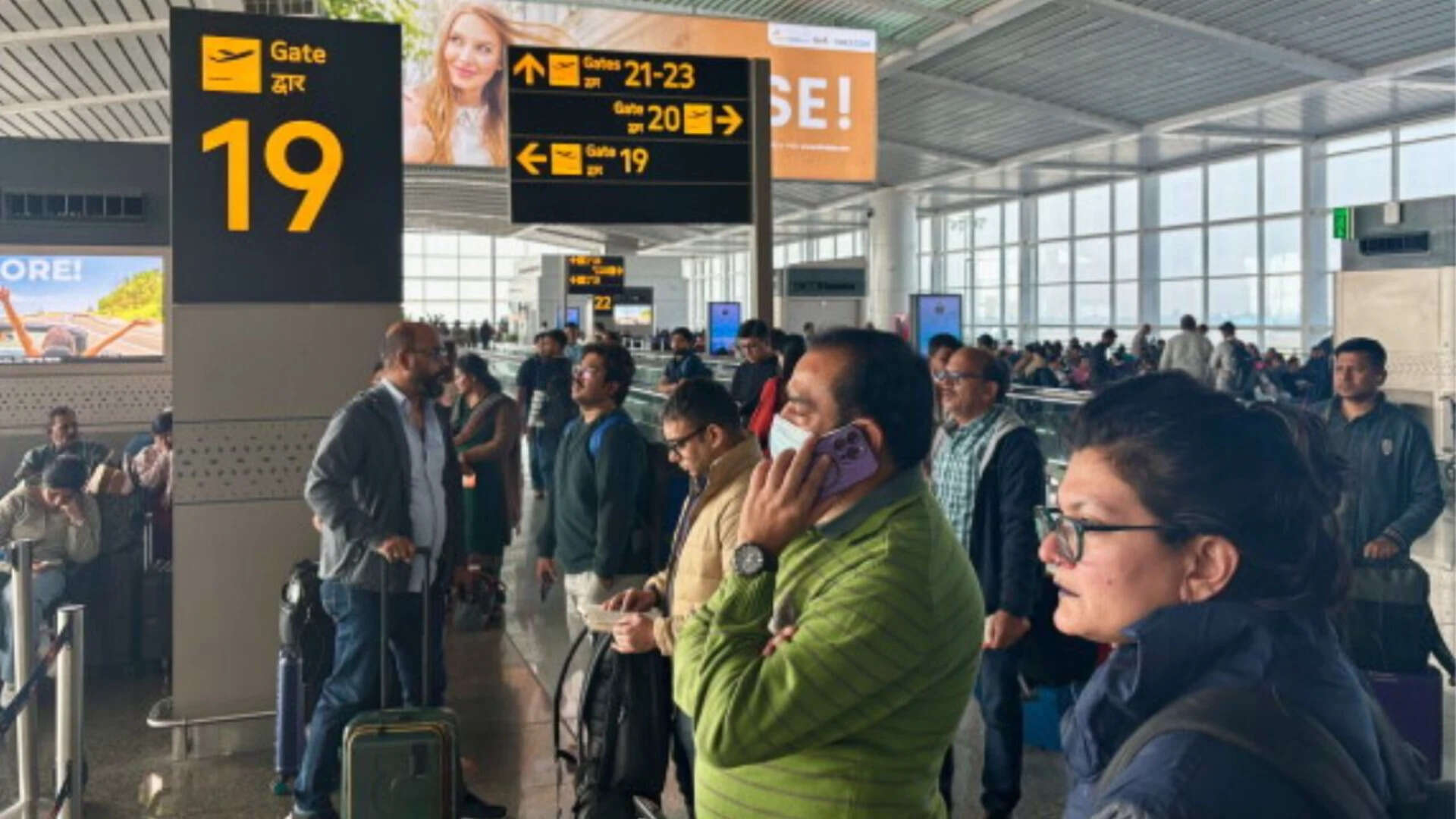
Picture a crowded boarding gate. The digital sign flashes. Passengers hustle forward, clutching coffee cups and scanning QR codes, eager to claim overhead bin space. Now, look closer at the edge of the terminal. A Paralympic gold medalist, an elite athlete who has conquered the world stage, is forced to wait. They must watch every other soul board first. They are left with a gnawing anxiety that has nothing to do with flying and everything to do with whether their custom-built wheelchair—their literal legs—will survive the baggage handlers below.
This is not a rare occurrence. It is a systemic failure masquerading as a series of unfortunate isolated events.
When a wheelchair is loaded into the cargo hold of an airplane, it is treated as luggage. It is tossed, stacked, and wedged between oversized suitcases and golf clubs. But a wheelchair is not a suitcase. It is an extension of a human body. When an airline breaks a wheelchair, they do not just lose a piece of baggage. They paralyze a human being at thirty thousand feet.
The current system relies on a framework of polite requests and toothless regulations. Airlines offer apologies. They issue vouchers. They promise to do better next time. But apologies do not help a person get out of bed in a hotel room three thousand miles from home. The UK government is now facing immense pressure to shift the paradigm from gentle encouragement to severe financial punishment. At the heart of this push is a simple, devastating reality: until it costs airlines more to break a wheelchair than it does to fix one, nothing will change.
The Weight of Independence
To understand the stakes, consider the anatomy of a high-performance wheelchair. These are not standard, off-the-shelf medical supplies. They are bespoke pieces of engineering, molded to the specific contours of a person's body, balanced down to the millimeter to prevent pressure sores and spinal misalignment. They cost thousands of pounds. They take months to manufacture.
When Baroness Tanni Grey-Thompson, one of Britain's most decorated Paralympic athletes, speaks out about the terror of flying, the world should listen. She has spent decades navigating a world built for the able-bodied. Yet, the tarmac remains a hostile frontier.
Imagine arriving at your destination, watching the cabin empty, and being told to wait. The cleaning crew comes and goes. The pilots pack their bags. You are still sitting in a rigid, uncomfortable airport transfer chair. Then comes the news. We’re sorry, but your chair was damaged in transit. The impact is immediate. Total immobilization.
The human cost of these failures extends far beyond the immediate inconvenience of a delayed holiday. It is a psychological assault. It tells a segment of the population that their mobility is optional, that their presence in public spaces is a logistical burden.
The Math of Misery
The commercial aviation sector operates on razor-thin margins and strict schedules. Turnaround time is God. A plane sitting at a gate is a plane losing money. In this environment, speed is prioritized over care.
Ground handling crews are frequently overworked, underpaid, and poorly trained in handling complex mobility equipment. They see a heavy, awkward frame that needs to be shoved into a tight cargo space quickly. They do not see the lifeline of a human being.
The proposed legislative changes aim to hit airlines exactly where they feel it most: their balance sheets. Currently, the Civil Aviation Authority has limited powers to impose direct, punitive fines on airlines that violate the rights of disabled travelers. The new proposals seek to grant regulators the power to levy massive financial penalties on carriers that fail to provide adequate assistance or damage essential equipment.
Let us look at the raw mechanics of corporate behavior.
If an airline faces a nominal fine or a simple repair bill for a broken wheelchair, that cost is absorbed as an operational hazard. It is a line item. A rounding error. However, if the penalty for breaking a wheelchair or leaving a passenger stranded on a plane for hours is set at a level that threatens the profitability of that specific flight path, the corporate calculus changes instantly. Training programs suddenly become comprehensive. Ground handling contracts are scrutinized. Loading procedures are redesigned.
Capitalism responds to pain. For corporations, pain is financial.
The View from the Aisle
The technical execution of air travel for a disabled person is a sequence of high-stress transitions.
First, there is the check-in counter, where staff often look bewildered by the presence of a non-standard chair. Then, the security checkpoint, which involves invasive physical pat-downs. Next is the departure gate, where the traveler must surrender their personal chair and transfer to an "aisle chair"—a narrow, unstable device designed solely to navigate the claustrophobic path between airplane seats.
Once in the seat, the traveler is stuck. On most short-haul flights, the onboard lavatories are physically inaccessible to anyone who cannot walk. The solution offered by the industry? Don't drink water. Fast before you fly. Dehydrate yourself so you don't have to face the humiliation of needing a bathroom you cannot reach.
This is the hidden itinerary of the disabled traveler. It is a mental checklist of survival strategies that able-bodied passengers never have to conceive.
Critics of heavier regulation argue that increased fines will inevitably drive up ticket prices for everyone. They claim that the aviation industry is already heavily burdened by environmental taxes, fuel volatility, and post-pandemic recovery debts. They argue that adding more punitive measures will make flying less accessible to the masses.
This argument is a fallacy. It suggests that the basic civil rights of one group of people should be subsidized by the systemic negligence of an industry. We do not argue that airlines should save money by cutting back on maintenance for jet engines to keep ticket prices low. Safety is non-negotiable. Dignity should be treated with the exact same reverence.
A Systemic Blind Spot
The aviation industry loves to showcase its innovation. We hear constantly about biofuel initiatives, supersonic travel revival, and AI-driven route optimization. Yet, the basic mechanism for boarding a disabled passenger has remained largely unchanged for half a century. It still relies on muscle power, awkward lifting, and a hope that the equipment in the hold doesn't get crushed.
This lack of innovation stems directly from a lack of accountability.
Consider the difference between how an airline treats a high-value piece of cargo—like a racehorse or a priceless painting—and how it treats a wheelchair. The racehorse is monitored, climate-controlled, and handled by specialists. The wheelchair is tagged with a sticky piece of paper and rolled down a concrete ramp.
True change requires a fundamental reclassification of mobility devices. They must be legally recognized as medical necessities, not commercial luggage.
The push for new legislation in the UK is a vital first step, but laws are only as good as their enforcement. The Civil Aviation Authority must be given the teeth to bite, not just bark. Fines must be transparent, publicly reported, and paid directly to the aggrieved passenger to fund immediate, equivalent replacements, rather than disappearing into a regulatory black hole.
The Long Flight Home
The debate over airline fines is not a bureaucratic squabble over policy wording. It is a battle over who gets to participate in modern society. Travel is not a luxury reserved exclusively for those who can walk through a jet bridge unaided. It is a gateway to business, family, education, and human connection.
The next time you walk down the jet bridge, look down at the tarmac. Look for the yellow tags. Look for the chairs waiting in the rain or the cold, hoping to be loaded with a modicum of care.
Behind every one of those chairs is a person waiting in a cabin above, listening to the roar of the engines, wondering if they will be able to stand up when they land.