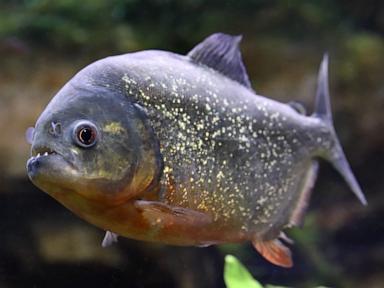
When an eight-year-old boy dropped a line into a local Pennsylvania lake, he expected a sunfish or maybe a largemouth bass. Instead, he pulled up a tropical predator built for the Amazon basin. That headline-grabbing catch sent ripples of shock through local communities, but for wildlife biologists, it was just another Tuesday.
A piranha caught in a temperate American waterway is not an ecological apocalypse on its own. It is a symptom.
Behind the viral photos and the momentary local panic lies a sprawling, lightly regulated exotic pet trade that treats living animals like disposable novelties. People buy red-bellied piranhas as fingerlings when they are the size of a quarter. They look exotic in a living room tank. They feed on feeder goldfish. They provide shock value for visitors.
Then the fish grows. It needs a larger tank, more expensive filtration, and specialized food. The novelty wears off. The owner faces a choice between surrendering the animal to a reluctant rescue or making a quiet, illegal disposal.
Pennsylvania waters are cold. Winters freeze lakes solid, and tropical fish cannot survive sustained water temperatures below sixty degrees Fahrenheit. This biological limitation is the only reason our native ecosystems are not already overrun with South American predators. But relying on winter frost as our primary border security against invasive species is a failing strategy.
The Anatomy of an Illegal Drop
Every unwanted exotic animal in a public lake represents a failure of supply-chain accountability. Walk into dozens of roadside pet stores or browse online marketplaces, and you will find species sold with minimal questions asked. Vendors rarely verify whether a buyer possesses the proper permits or the requisite infrastructure to house an animal for its entire natural lifespan.
When a fish or reptile outgrows its enclosure, the barrier to release is terrifyingly low. A bucket, a dark parking lot, and a municipal boat ramp are all it takes to transfer a foreign organism into a shared public resource.
State wildlife agencies are chronically underfunded. Wardens spend the bulk of their time managing deer tags, hunting violations, and routine boating safety. Tracking down the specific individual who dumped a tropical fish into a recreational lake ranks low on the priority list, especially when the evidence usually dies with the first cold snap.
This impunity creates a feedback loop. Pet owners know there is virtually zero enforcement risk for releasing an unwanted animal into the wild. They also know that surrender fees at accredited shelters or aquariums can cost money or require waiting lists. The path of least resistance leads straight to the local dock.
Regulatory Blind Spots
The legal framework governing exotic pets in the United States resembles a patchwork quilt stitched together by blindfolded legislators. Some states maintain strict banned-species lists. Others require permits only for animals deemed large enough to maim a human adult.
Pennsylvania law prohibits the possession and release of certain injurious aquatic species, but enforcement relies heavily on retail compliance. If a distributor mislabels a shipment or sells a restricted species under a common colloquial name, the transaction slips right through the cracks of oversight.
Sellers capitalize on these ambiguities. Online classifieds and social media groups function as unregulated black markets where buyers and sellers bypass licensed storefronts entirely. A piranha can change hands in a grocery store parking lot in fifteen minutes. Try tracing that transaction back to the original importer when the fish turns up in a public park three months later. You cannot. The trail goes cold before the bait hits the water.
The Ecological Threat Beyond the Freeze
Dismissing the piranha threat because Pennsylvania winters are harsh misses the larger ecological picture. Climate shifts are altering thermal baselines across North America. Industrial discharge areas, power plant cooling ponds, and thermal effluents create localized warm-water pockets where tropical species can linger long past their expiration date.
Furthermore, the introduction of non-native species brings hitchhikers. Parasites, bacteria, and fungal pathogens that evolved alongside exotic fish can jump to native populations of bass, trout, and panfish. Native species lack immune defenses against these imported maladies. A single dumped pet can act as a vector for an epidemic that decimates local fisheries long before anyone spots the foreign predator swimming near the reeds.
We tend to focus on the terrifying teeth of the piranha because it makes for good television. The real damage is invisible. It lives in the gut of the fish, waiting for a chance to transfer to a native brook trout.
Reforming the Supply Chain
Solving this crisis requires shifting the burden of responsibility back to the commercial entities profiting from the trade. Pet stores and online brokers should be legally mandated to maintain a verifiable chain of custody for every regulated exotic animal they sell.
Registration systems similar to microchipping for dogs could be adapted for aquatic species. If every imported predator carried a traceable origin marker, authorities could trace abandoned animals directly back to the point of purchase. Retailers caught selling to unlicensed buyers should face penalties that actually sting—revocation of commercial licenses and steep fines that outweigh the profit margins of exotic sales.
At the same time, amnesty programs need to be frictionless. Municipalities should establish no-questions-asked surrender drop-offs at local animal control offices or nature centers. If an owner can surrender an unwanted animal safely and freely, the temptation to use a local lake as a disposal chute drops dramatically.
Until we treat the exotic pet trade with the same rigor we apply to agricultural imports and forestry products, children will keep pulling unexpected predators out of community lakes. The surprise belongs to the kid holding the rod. The blame belongs to a system that let the fish get there in the first place


