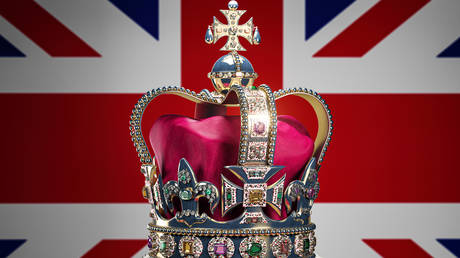
Barbados finally did it. They cut ties with the British monarchy and traded the Queen for a President. It wasn't just a ceremony with some fancy hats and Rihanna getting a national hero award. It was a massive signal to the rest of the world. While some folks in London might call it a "sad departure," the reality on the ground in the Caribbean is way different. It’s about finishing what started decades ago. Independence isn't real if you're still asking a monarch across the Atlantic to sign off on your laws.
I’ve watched these transitions for years. People often think becoming a republic is just about changing a name on a letterhead. It isn't. It's about psychological sovereignty. When Barbados became a republic on November 30, 2021—their 55th anniversary of independence—they didn't just dump a royal title. They challenged the entire Commonwealth structure. If you’re wondering why this matters in 2026, look at Jamaica or the Bahamas. They’re watching. They’re taking notes. The dominoes aren't just wobbling; they’re starting to tip.
The Myth of the Harmless Figurehead
Critics of the move always say the same thing. "The monarchy is just symbolic." "It doesn't actually cost anything." "It’s good for tourism."
That’s mostly nonsense. Symbols carry weight. For a nation built on the back of the transatlantic slave trade, having the descendant of the people who authorized that trade as your head of state is a heavy burden. It’s not just a "tradition." It’s a constant reminder of a colonial era that many are desperate to move past.
Prime Minister Mia Mottley didn't stutter when she spoke about "leaving our colonial past behind." She’s a powerhouse. She knows that for Barbados to truly lead in the 21st century, it needs a head of state who actually lives in the country and shares the history of the people. Sandra Mason, the first President of Barbados, isn't a figurehead from a palace in London. She’s a local who rose through the ranks. That shift changes how a country sees itself. It’s the difference between being a "subject" and being a "citizen."
Why the Commonwealth is Shaking Right Now
The Commonwealth is a weird club. It’s 56 countries, most of which were once under British rule. But only 15 of them (now 14 after Barbados) kept the monarch as their head of state. These are the "Commonwealth Realms."
When Queen Elizabeth II passed away, the glue holding that arrangement together dried up. King Charles III inherited a much more skeptical audience. You can see the friction everywhere. During Prince William’s tour of the Caribbean in 2022, he was met with protests and demands for reparations. People weren't interested in photo ops in Land Rovers. They wanted an apology and a check.
- Jamaica has already established a "Constitutional Reform Committee."
- The Bahamas has seen high-level politicians openly discuss a republican future.
- Belize is moving toward a referendum on the matter.
The "Barbados Model" showed these nations that you can transition without the sky falling. You stay in the Commonwealth. You keep your trade deals. You just stop bowing.
The Economic Reality of Republic Status
Let’s talk about money. Moving to a republic doesn't magically fix a national debt or lower the price of gas. Barbados still faces massive challenges from climate change and tourism fluctuations. However, being a republic allows for a more direct brand of diplomacy.
When you're a republic, your diplomats don't represent "The Crown." They represent the people of your specific island. It sounds like a small distinction, but in international trade negotiations, identity is everything. Barbados has used its new status to take a louder stand on "Climate Justice." Mia Mottley has become the face of the Bridgetown Initiative, pushing for a massive overhaul of how the World Bank and IMF lend money to developing nations.
She isn't asking for permission anymore.
Reparations and the Elephant in the Room
You can't talk about an island nation breaking with the British Crown without talking about reparations. This is where things get uncomfortable for the UK. For centuries, the British Empire extracted unimaginable wealth from the Caribbean through sugar and slavery.
Becoming a republic is often the first legal step toward a formal claim for reparations. As long as the monarch is your head of state, suing the "state" for historical damages is legally messy. It’s like trying to sue your own father for your inheritance while he still controls your bank account. By becoming a republic, Barbados creates a clearer legal separation.
The Caribbean Community (CARICOM) has a ten-point plan for reparatory justice. It includes:
- Full formal apologies.
- Debt cancellation.
- Investment in health and education systems that were crippled by colonial neglect.
The UK government usually responds with "deep regret." Regret doesn't build hospitals. Barbados is now in a position to demand more than just words.
What Most People Get Wrong About the Transition
The biggest misconception is that this is a "revolt." It’s not. It’s actually quite bureaucratic and, frankly, a bit slow. Barbados didn't have a revolution. They passed an amendment.
They also didn't leave the Commonwealth of Nations. Most republics stay in the group because it provides a platform for small states to talk to big powers like India, Canada, and the UK. It’s a networking event, basically. Breaking with the Crown isn't about isolation; it’s about maturity. It’s the kid finally moving out of the parents' basement and getting their own lease. They still show up for Christmas dinner, but they aren't asking for an allowance.
The Road Ahead for the Remaining Realms
If you're living in one of the remaining 14 realms, expect a lot of debate over the next two years. The transition isn't always easy. In some countries, like Jamaica, you need a two-thirds majority in parliament and a public referendum. That’s a high bar.
Politics often gets in the way. Opposition parties sometimes vote against republic status not because they love the King, but because they want to spite the current government. It's messy. But the momentum is undeniable.
If you want to understand where the world is heading, stop looking at the ceremonies in London. Look at the parliaments in Kingston, Nassau, and St. George’s. They’re defining a post-imperial world in real-time.
Start by following the news coming out of the CARICOM summits. That’s where the real policy shifts happen. Keep an eye on the legal challenges regarding colonial-era land titles. If you’re a traveler, support local businesses that are part of this new national identity. The era of the "subject" is over. The era of the sovereign citizen has finally arrived.