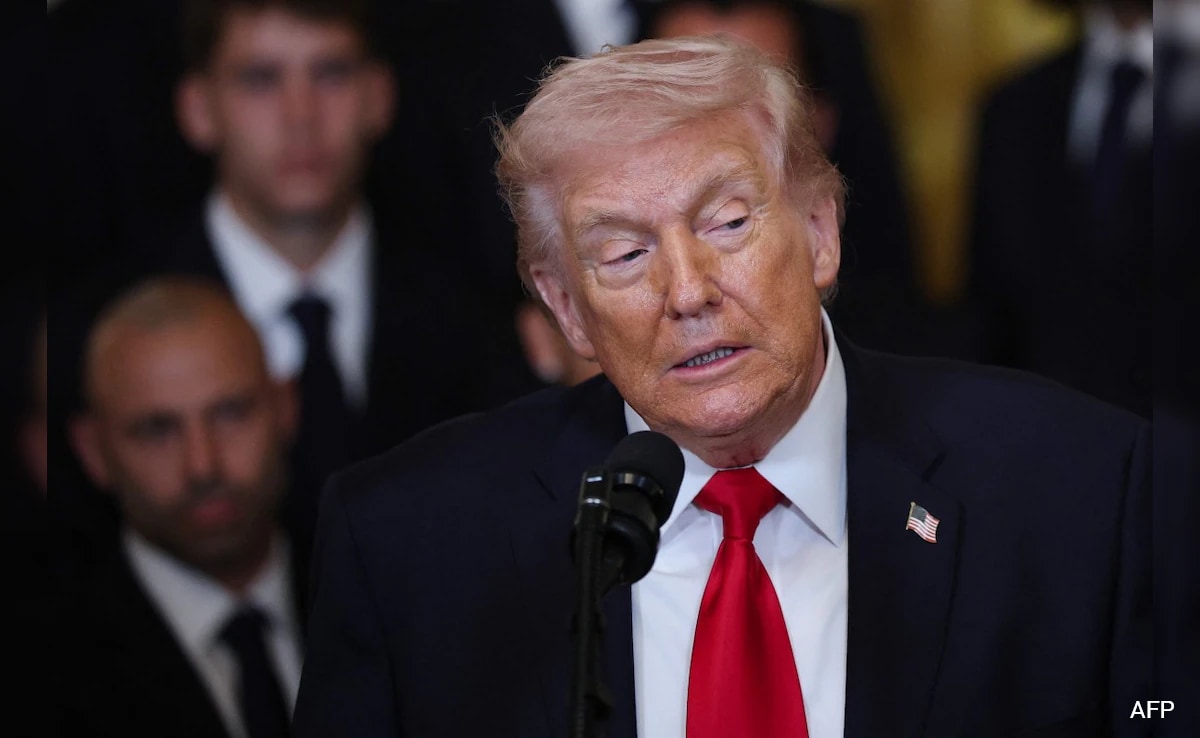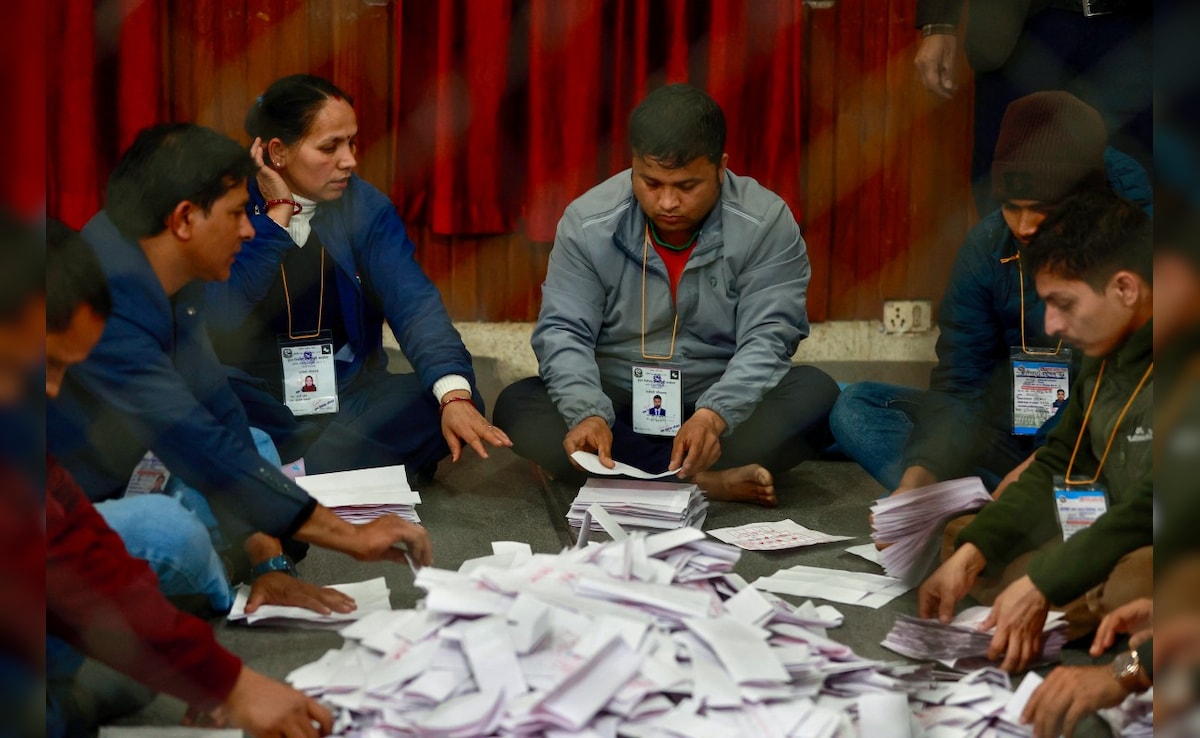
The ground in Nepal hasn't just shifted; it has completely split open. If you've been watching the 2026 election results trickle in, you're witnessing the most violent rejection of "business as usual" in the country’s democratic history. Balen Shah isn't just winning—he's systematically dismantling a political establishment that thought it was untouchable.
As of Saturday evening, the Rastriya Swatantra Party (RSP) is on a warpath toward a simple majority. In an electoral system specifically designed to force messy coalitions, the RSP is currently leading or has won in over 110 of the 165 directly elected seats. This isn't a "strong showing." It’s a total takeover.
The Jhapa 5 slaughter
If you want to understand the scale of this change, look no further than Jhapa-5. This wasn't just a constituency; it was the fortress of K.P. Sharma Oli. The former Prime Minister and CPN-UML chairman had won six out of seven elections there since 1990.
Balen Shah didn't just beat him; he humiliated him.
The numbers are startling. Balen secured 68,348 votes. Oli, a man who once held the country in a tight grip, managed only 18,734. That’s a margin of nearly 50,000 votes. For a 35-year-old former rapper to walk into the lion's den and walk out with the lion’s head is the kind of political storytelling we haven't seen in South Asia for decades.
Why the old guard is failing
The collapse of the Nepali Congress and the CPN-UML isn't a mystery. It's the bill coming due. For years, the same rotating cast of septuagenarians traded the Prime Minister’s chair like a game of musical chairs. While they squabbled over ministries, the youth were fleeing the country for jobs in the Gulf.
The 2025 Gen Z protests were the breaking point. When the Oli government banned social media sites and the police opened fire on protesters, the contract between the state and the youth was permanently voided. The RSP simply picked up the pieces.
Key reasons for the shift include:
- The Social Media Ban: The decision to kill digital platforms in 2025 backfired, turning every smartphone owner into a political activist.
- Unemployment Rage: The RSP's "Citizen Contract 202" promises to double per capita income and create 1.2 million jobs. People actually believe them because they haven't lied to the public for thirty years yet.
- The "Balen Effect": As Kathmandu Mayor, Balen proved he could actually get things done—clearing footpaths, restoring heritage, and ignoring the traditional "don't rock the boat" mantra.
Breaking the coalition curse
Nepal’s mixed electoral system—where 165 seats are first-past-the-post (FPTP) and 110 are proportional representation (PR)—usually guarantees that no one wins a majority. It’s a recipe for instability and "horse-trading."
But the 2026 trends are breaking the math.
In the PR count, the RSP is currently gobbling up over 50% of the votes. If these numbers hold, Balen Shah won't just be the next Prime Minister; he'll be the first leader in 27 years to lead a government with a clear, single-party mandate.
The Nepali Congress, now led by Gagan Thapa, is sitting in a distant second. Even Thapa, once the face of youth hope, is struggling to stay relevant in a world where Balen has moved the goalposts.
What this means for you
If you're a voter or an observer, the message is clear: the era of the "Big Three" is over. The RSP is no longer a "third pole" or a "protest vote." They are the new establishment.
We're seeing wins in places nobody expected. Ranju Darshana took Kathmandu-1 by a landslide. Shishir Khanal swept Kathmandu-6. Biraj Bhakta Shrestha crushed his rivals in Kathmandu-8. The map is turning orange-bell (the RSP symbol) from the mountains to the plains.
Don't expect the old parties to go quietly. They still control the bureaucracy and much of the local machinery. But with a mandate this large, Balen has the "bulldozer" he needs—both literally and metaphorically—to start reshaping the state.
Check the official Election Commission portal every few hours, but don't expect the trend to reverse. The momentum is too heavy. The old guard didn't just lose an election; they lost a generation.
Follow the final tally for the Proportional Representation seats to see if the RSP hits the 138-seat "magic number" for a solo majority.