The coffee goes cold on the kitchen table. Nobody remembers to drink it.
When the air raid sirens wail across eastern Ukraine, they do not sound like machinery. They sound like a dying animal, a long, metal shriek that crawls down the spinal cord and settles in the teeth. You stop breathing. You count the seconds between the screech and the concussive thud. Four seconds. Five seconds. Too close.
Across a border defined by lines on old maps and new blood, a similar silence falls over a residential courtyard in Belgorod. A window frame shatters inward, raining safety glass across a child’s unmade bed. The television keeps talking to an empty room.
Fourteen lives. Erased in a single rotation of the earth.
We read the casualty reports like box scores. Numbers on a screen. Seven here. Seven there. Balanced equations of grief, tallied by agencies sitting thousands of miles away in temperature-controlled rooms. But math does not bleed. Statistics do not smell like cordite, ozone, and wet concrete.
To understand what happened on this particular Tuesday, you have to throw away the map and look at the floorboards.
The Physics of Ruin
War is rarely cinematic. It is bureaucratic, messy, and loud in ways that break the human brain.
Consider what happens when a projectile—whether it bears serial numbers stamped in Tula or components sourced through shadow networks—strikes an apartment block. Concrete does not explode; it disintegrates. It turns into a grey, suffocating dust that fills the lungs, coats the eyelashes, and turns every surface the color of a winter sky.
In a suburb outside Kyiv, a rescue worker named Oleh spends his mornings digging through that dust with his bare hands because the heavy machinery cannot fit down the narrow alleyway. He is forty-two years old. Before February 2022, he designed commercial signage. Now, he knows the precise tensile strength of reinforced rebar when warped by a thousand degrees of thermal heat.
"You don't think," Oleh told me once, his voice flat, stripped of all inflection by endless exhaustion. "Thinking makes your hands shake. You just listen. If someone is hitting a radiator pipe with a spoon, you dig faster."
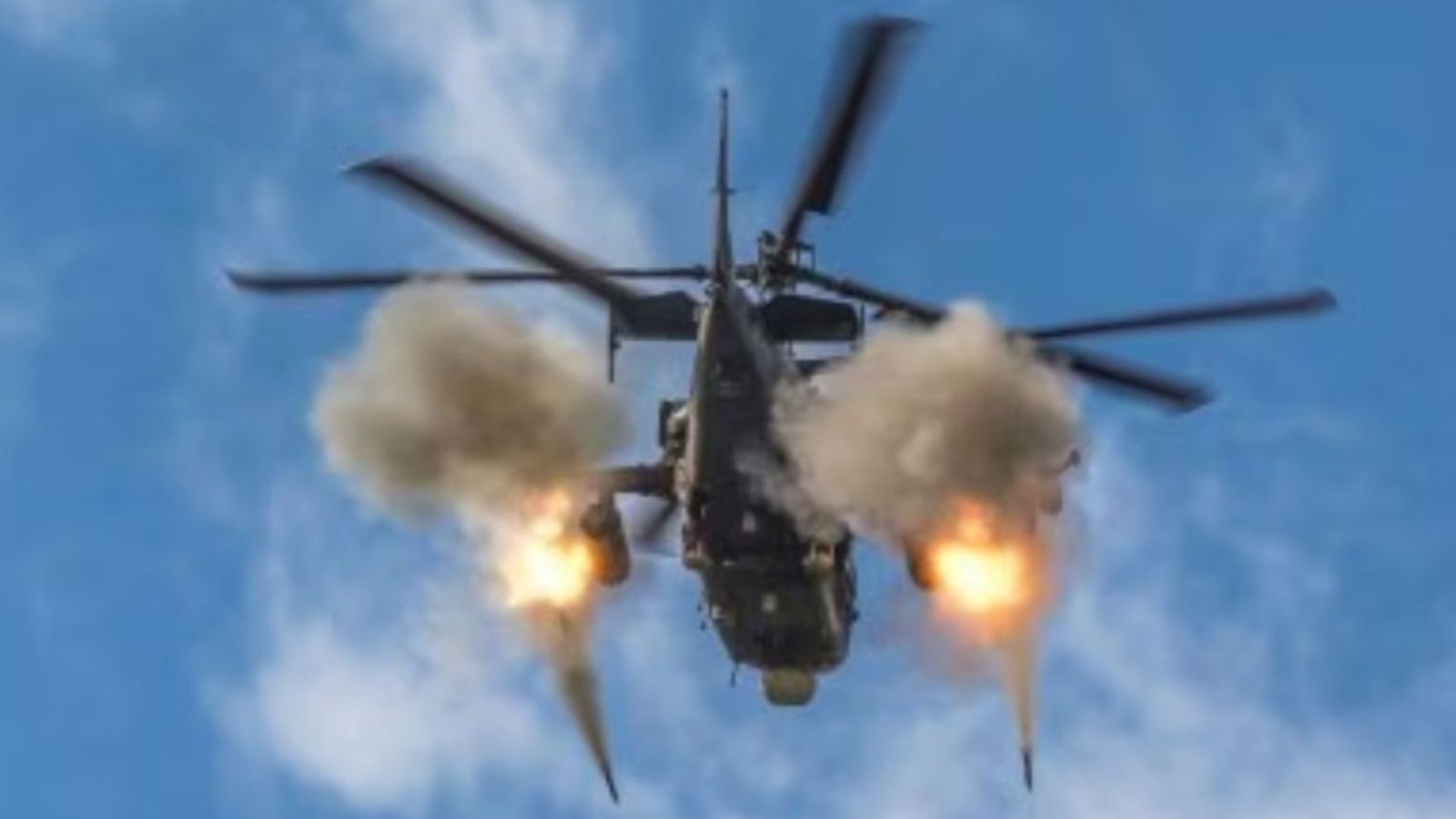
On this day, the air defense batteries fired. They always fire. They streak white smoke across the blue vault of the afternoon, modern iron trying to intercept ancient hatred. Sometimes they win. Sometimes they miss by inches. And gravity, utterly indifferent to politics, language, or prayer, pulls the wreckage down onto rooftops where families are eating lunch.
The Geography of Fear
To the west, the sirens mean basements, damp air, and the glow of smartphones illuminating pale faces scrolling through Telegram channels to see which district took the hit.
To the east, in the border oblasts of Russia, a new reality has metastasized over the last few years. For decades, these towns were places people passed through on trains heading south to the sea. They were sleepy, unremarkable, safe. Now, grandmothers who spent their youth watching Soviet war films learn to identify the whistling sound of incoming artillery.
Fear is a great equalizer, but it is also a great isolator.
In a basement in Belgorod, a retired schoolteacher named Valentina sits wrapped in a woolen shawl. The electricity flickers. Her granddaughter is three hundred miles away in Moscow, calling every twenty minutes, her voice tight with panic.
"We are fine, Olenka," Valentina says, her fingers digging into the fabric of her skirt. "The glass just blew out again. It is nothing."
It is not nothing. It is the steady erosion of normalcy until nothing is left except the shell. Every shattered pane of glass, every charred storefront, every frantic phone call represents a millimeter of the soul wearing away. We watch these places through the lens of geopolitics, debating strategy, supply lines, and territorial concessions. We talk about momentum. We talk about attrition.
We rarely talk about the tea growing cold.
The Calculus of Attrition
How do nations sustain this?
It is the question that haunts every historian, every economist, and every mother watching the evening news with her hand over her mouth. The human capacity to adapt to horror is terrifying. Within weeks, the extraordinary becomes the routine. People learn to time their trips to the market between shelling intervals. They plant tomatoes in cratered gardens. They marry, they divorce, they argue about money, all while the background radiation of war hums like a faulty transformer.
Yet, adaptation is not peace. It is armor. And armor gets heavy.
When fourteen people die in a twenty-four-hour span—split across opposing flags, sharing the same tormented sky—the immediate reaction is outrage, followed swiftly by numbness. The official statements roll out like clockwork. Condemnations issued. Counter-accusations hurled. The diplomats adjust their ties and speak of escalation dominance.
Meanwhile, Oleh is washing the concrete dust out of his hair, wondering if he has any clean shirts left for tomorrow.
We look at these conflicts as if they are chess boards, but they are bonfires. Every strike, every retaliation, every statistic thrown into the digital ether is another log tossed onto the flames. The heat keeps rising, and the people living inside the fire are too busy trying not to burn to remember what cool air feels like.
The sun goes down over the steppe. The borders remain where they were drawn, soaked in a deeper red than before. The sirens will start again before dawn.