The warning signs have been blinking red for a decade, ignored by municipal bureaucrats and underfunded utility boards until the screens turned black. American water systems are dangerously vulnerable to cyberattacks, exposed by aging infrastructure, widespread reliance on legacy industrial control networks, and a shocking lack of federal enforcement teeth.
For years, cybersecurity professionals have shouted into the void. They warned that small-town water districts and sprawling metropolitan utilities alike use internet-connected pumps, chemical feed systems, and valves that can be hijacked with off-the-shelf hacking tools. The warnings were filed away, categorized as theoretical risks rather than urgent operational emergencies. Then the intrusions started hitting the actual pipes.
Let us look past the alarming headlines and examine the actual mechanics of how these critical municipal networks operate, why they are broken, and who is footing the bill for our collective negligence.
The Architecture of Neglect
To understand why a water treatment plant can be compromised from halfway across the world, you have to look at how these facilities were built. Most municipal water infrastructure was designed decades ago. Back then, security meant a chain-link fence and a padlock on the gate. Operators trusted their closed-circuit networks implicitly because physical isolation was the primary defense.
That isolation vanished years ago. To save money, improve efficiency, and reduce staffing requirements, utilities connected their operational technology to the internet. Plant managers wanted remote access so they could check chemical levels or adjust flow rates from their smartphones on a Sunday morning.
Convenience conquered security.
Engineering firms installed commercial modems and standard IT software onto industrial control systems without changing default factory passwords. They bridged the gap between corporate office networks and physical water treatment equipment. Hackers did not need to invent sophisticated exploits to breach these systems. They simply scanned public-facing internet directories for vulnerable Supervisory Control and Data Acquisition interfaces, punched in admin-admin as the login credentials, and walked right through the front door.
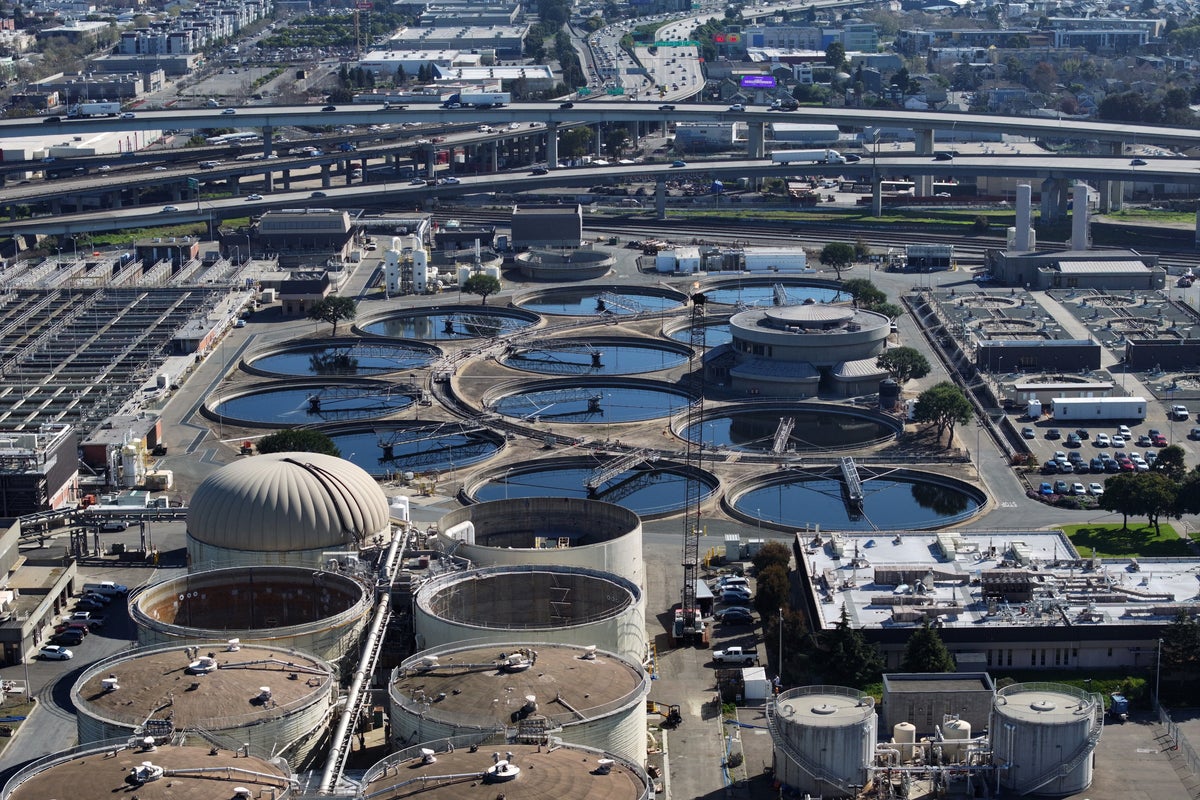
Consider what happens when a bad actor gains access to a treatment facility dashboard. They do not necessarily need to shut the plant down entirely. A more subtle, terrifying approach involves manipulating chemical dosage controls. By tweaking the target parameters for sodium hydroxide or chlorine just enough to throw off the water chemistry, an attacker can create public health crises without triggering immediate, dramatic alarms.
The Small-Town Blind Spot
Metropolitan utilities like New York City or Los Angeles have dedicated cybersecurity budgets, security operations centers, and full-time compliance officers. They still face immense challenges, but they have resources.
The real danger lives in rural America and mid-sized towns.
Thousands of community water systems serve populations under ten thousand people. These districts operate on razor-thin municipal budgets, relying on local boards consisting of retired teachers, accountants, and contractors who view cybersecurity as an expensive luxury item they cannot afford. A water district superintendent in rural Kansas might manage infrastructure spanning fifty square miles while serving as the entire IT department, plumber, and chief operator combined.
When a vendor pitches a cloud-hosted monitoring platform, the superintendent buys it to save time. They rarely ask about multi-factor authentication, endpoint detection, or zero-trust architecture. They trust the vendor. The vendor trusts the subcontractor. And the malicious actor finds the weakest link in the supply chain.
This dynamic creates a patchwork of defense. America's water supply is only as secure as the most neglected, underfunded district in the network. A state actor or ransomware gang does not target New York's primary grid if they can route through a small county water authority whose firewall hasn't been patched since 2018.
Regulatory Whiplash and Political Gridlock
Why hasn't the federal government stepped in with mandatory standards? The answer is a messy mix of jurisdictional turf wars, industry lobbying, and genuine fear of unfunded mandates.
The Environmental Protection Agency holds primary responsibility for drinking water safety under the Safe Drinking Water Act. Historically, the EPA focused on biological contaminants, heavy metals, and pipe materials. Cybersecurity was deemed outside their traditional wheelhouse.
When the Biden administration attempted to enforce minimum cybersecurity rules for public water systems through an EPA memo, industry groups and several Republican-led states immediately pushed back. They sued to block the mandate, arguing that the EPA lacked statutory authority and that forcing cash-strapped municipalities to implement complex security protocols without federal funding would bankrupt small towns.
A federal court stayed the rule. The bureaucratic machine ground to a halt.
While lawyers argued over jurisdictional boundaries in air-conditioned courtrooms, foreign intelligence groups and opportunistic cybercriminals continued scanning American utility networks. This regulatory paralysis is not just an administrative failure; it is a strategic vulnerability. Adversaries know that the United States is uniquely slow to regulate critical infrastructure when local control is pitted against federal oversight.
The Vendor Ecosystem Problem
We also need to talk about the companies building and maintaining these systems. The industrial automation sector is dominated by a handful of major multinational firms and countless smaller third-party integrators.
When a municipality needs an upgrade, they hire an integrator. That integrator installs proprietary hardware and software. Often, maintenance contracts give remote vendor technicians open access to the plant's internal control network.
If a nation-state hacker compromises a third-party engineering vendor, they inherit access to hundreds of client water facilities simultaneously. This is the supply chain attack vector that keeps intelligence officials awake at night. It bypasses direct perimeter defenses entirely by exploiting trusted relationships between utilities and their service providers.
Fixing this requires radical transparency and liability reform. Right now, vendors face very few financial penalties if their insecure software gets hacked on a municipal network. Until software liability laws force manufacturers to build secure-by-default products, companies will continue prioritizing speed-to-market over operational resilience.
Moving Past Reactionary Panic
Every time a municipal water system suffers a public breach, the cycle repeats itself predictably. A hack occurs. Reporters write urgent pieces about our fragile infrastructure. Congress holds a hearing. Officials issue stern warnings. Then the news cycle shifts, funding bills stall, and complacency settles back in until the next incident.
We cannot audit our way out of this crisis with temporary grant programs. Throwing a few million dollars at small towns for patch management is like putting a band-aid on a structural fracture.
The path forward demands a fundamental rethinking of how water is treated and distributed in the twenty-first century. Air-gapping critical chemical dosing systems from remote internet access should be mandatory, even if it means operators have to drive out to the plant physically to make adjustments. Automated fail-safes must be hardwired into physical valves, preventing software commands from overriding safety limits regardless of who is logged into the console.
Furthermore, regional consolidation of water authorities could pool resources, allowing smaller districts to share professional cybersecurity staff instead of relying on overworked local operators to defend against sophisticated threat actors.
The infrastructure we rely on to deliver clean water to every kitchen sink in America was designed for an era that no longer exists. Our adversaries know how to exploit the gaps between our old pipes and our new digital networks. We can either redesign our defenses before the next major disruption forces our hand, or we can wait for the day when the water stops running clean.