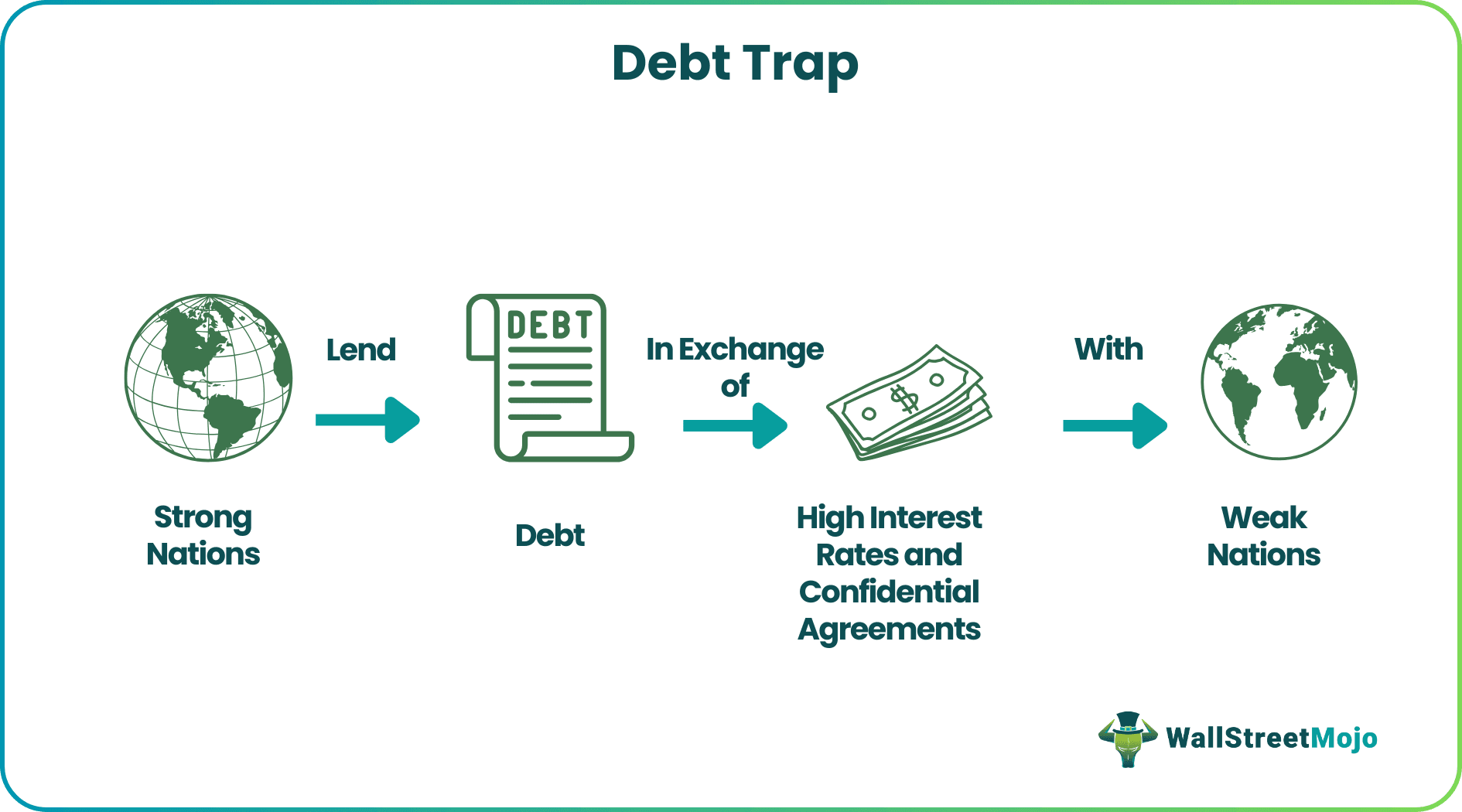
Amazon sellers are reaching a breaking point. It’s not just a few disgruntled small-timers complaining in a forum. We’re seeing a massive, organized shift where merchants are pulling back their advertising dollars or threatening a full-scale boycott because the numbers simply don't add up anymore. If you sell on the platform, you know the drill. You launch a product, you pay for storage, you pay for shipping, and then you realize you have to pay Amazon again just to show up on the first page of search results.
It’s a pay-to-play trap. For years, the unspoken agreement was that you’d sacrifice some margin for the sake of Amazon’s massive traffic. But that margin has been squeezed until it’s non-existent. Recent policy changes and fee hikes have turned the marketplace into a desert for profitability. Sellers are tired of being the bank for Jeff Bezos’s next space flight while their own bank accounts stay stagnant.
The Shrinking Margin Crisis
The math is getting ugly. A few years ago, a seller might expect to keep 25% or 30% of their gross sales after all expenses. Today, many are lucky to see 5%. Why? Because Amazon’s "suggested" ad bids have skyrocketed. If you don't pay the toll, your product disappears. It gets buried under five rows of "Sponsored" listings and "Highly Rated" widgets that are also, you guessed it, paid placements.
Market research from firms like Marketplace Pulse shows that Amazon’s take from seller revenue—including referral fees, fulfillment, and advertising—now often exceeds 50%. Think about that. You do the product development. You take the inventory risk. You handle the customer service. Amazon takes more than half the money just for providing the digital shelf space.
It’s a classic squeeze play. Amazon introduces a new fee, like the recent "Inbound Placement Fee" or the "Low-Inventory Level Fee," and suddenly your per-unit profit drops by another fifty cents. To make up for it, you try to sell more volume, which requires more ads, which costs more money. It’s a cycle that only ends one way: bankruptcy or a boycott.
Why the Ad Boycott is Gaining Steam
This isn't just about being grumpy. It’s a strategic revolt. Sellers are starting to realize that if they all keep bidding against each other for the same keywords, the only winner is Amazon’s advertising division. By pulling back spend, some brands are finding that their organic rank doesn't drop as much as they feared, or they're finding that the "lost" sales were actually unprofitable anyway.
I’ve talked to brand owners who spend $50,000 a month on Sponsored Products. When they did the deep dive into their data, they realized that after ad spend, they were losing money on every single sale generated by a click. They were literally paying Amazon for the privilege of giving their inventory away. That’s not a business. That’s a charity.
The boycott movement is about regaining leverage. It’s a signal to Seattle that the current trajectory is unsustainable. Merchants are shifting their budgets to platforms like TikTok Shop, Shopify, or even Walmart.com where the customer acquisition cost is still somewhat reasonable. They’re tired of the "Amazon Tax" that seems to increase every fiscal quarter.
The Problem with Suggested Bids
Amazon’s algorithm for "suggested bids" is a masterpiece of psychological engineering. It tells you that to be competitive, you should bid $2.50 per click. So you do. Then your competitor does. Then the suggestion moves to $2.75. It’s an automated auction designed to find the exact point where you have zero profit left.
Smart sellers are ignoring these suggestions entirely. They’re setting hard caps on their Advertising Cost of Sales (ACoS) and sticking to them. If the ad doesn't convert at a profitable rate, they turn it off. They’re prioritizing Total Advertising Cost of Sales (TACoS), which looks at ad spend relative to total revenue, not just the sales attributed to the ads. If your TACoS is creeping above 15%, you’re likely in the danger zone.
New Policies That Broke the Camels Back
It wasn't just the ads. The 2024 and 2025 fee updates were the final straw. Amazon introduced fees for sending inventory to only one warehouse. They introduced fees if you don't keep enough stock on hand. They basically started charging sellers for the complexity of Amazon’s own logistics network.
- Inbound Placement Fees: Costs you more to ship your stuff where they want it.
- Low-Inventory Level Fees: Punishes you for being lean.
- Returns Processing Fees: Expanded to more categories, making high-return items a liability.
These aren't just minor adjustments. They represent a fundamental shift in how Amazon views its third-party sellers. We aren't partners anymore. We’re a revenue stream to be optimized. The revolt is a natural reaction to being treated like an ATM.
How to Protect Your Brand Right Now
You can't just quit Amazon cold turkey. Most of us are addicted to the volume. But you can change how you play the game. Stop treating Amazon as your primary home and start treating it like a high-end department store where you pay for the foot traffic but keep your best stuff for your own boutique.
First, diversify your traffic. If 100% of your sales come from the Amazon search bar, you're a tenant, not an owner. Start building an email list. Use social media to drive traffic to a site you actually control. When you own the customer data, you aren't at the mercy of a mid-level algorithm change in Seattle.
Second, get ruthless with your SKUs. If a product requires a 40% ACoS just to stay on page one, kill it. It’s better to have a smaller, profitable catalog than a massive one that bleeds cash. Focus on products with high "organic-to-paid" ratios. If people find you through search without an ad, that’s your real gold mine.
Third, look at your logistics. Some sellers are finding that using third-party logistics (3PL) providers and merchant-fulfilling their orders (FBM) is actually cheaper now that Amazon has hiked FBA fees so aggressively. It’s more work, but it keeps the margin in your pocket instead of theirs.
Audit your ad campaigns tonight. Look at your "Search Term Report" and find out how much you're wasting on keywords that never convert. Cut the fat. Lower your bids. If your sales drop but your profit stays the same, you’ve won. You don't need a higher top line if it's killing your bottom line. Move your remaining budget to experimental channels where you can still get a decent return on investment. The age of easy Amazon growth is over, and only the leanest, most disciplined brands are going to survive this shift.